
Hearing Aid Features Explained: Which Ones are Right For You?
When you’re deciding on the right hearing aid, navigating the available features and knowing which ones will benefit you can be overwhelming. Not all hearing aids are created equal, so understanding the different types of hearing aid technology available allows you to make the best choice for your lifestyle and type of hearing loss.
New Technology in Advanced Hearing Aids
Sound Processing & Clarity
Advanced hearing aids are equipped with a powerful processing chip that makes speech sound clearer. It allows your hearing aids to analyze sound, identify speech patterns, and reduce background noise in real time.
Basic processing performs well in quiet environments, but more advanced processing is designed for complex settings such as restaurants, meetings, or family gatherings. The difference in sound processing is often noticeable in how easily you can follow conversations without straining to keep up.
Noise Reduction Technology
Noise reduction is one of the most important hearing aid features. Models with this feature don’t just use lower volume, they identify background sounds, like traffic or crowd noise, and minimize their impact on your hearing.
This feature is very useful for helping you navigate public spaces, which tend to be more crowded and therefore louder. Effective noise reduction can significantly reduce listening fatigue and improve overall satisfaction.
Feedback Management
With older hearing aid models, a whistling or squealing sound can occur when an amplified sound is picked up by the device’s microphone. A modern hearing aid with a feedback management system actively monitors and eliminates this issue.
Advanced feedback control means your hearing aids can amplify sound without unwanted noise from your device.
Tinnitus Management
Some hearing aids include tinnitus management and sound therapy features designed to reduce the sensation of ringing or buzzing in your ears. These customizable programs can provide relief by using gentle background sounds that help the brain focus less on tinnitus and more on what you want to listen to.
Adaptive Directional Microphones
Directional microphones allow your hearing aid to focus more on the sounds you want to hear, like people speaking, while minimizing sounds from other directions. Adaptive microphones adjust as your environment changes.
This feature is particularly useful when there are a lot of people around, because it makes it easier to communicate without having to constantly change your position.
Connectivity and Smart Features
Wireless Streaming
Hearing aids with wireless streaming allow you to stream phone calls, music, podcasts, and TV audio directly into your hearing aids. This feature ensures you can hear your media without any background noise.
Streaming is one of the best new features modern hearing aids offer, making it easier for you to make phone calls and immerse yourself when listening to music or watching your favorite show.
Bluetooth & App Integration
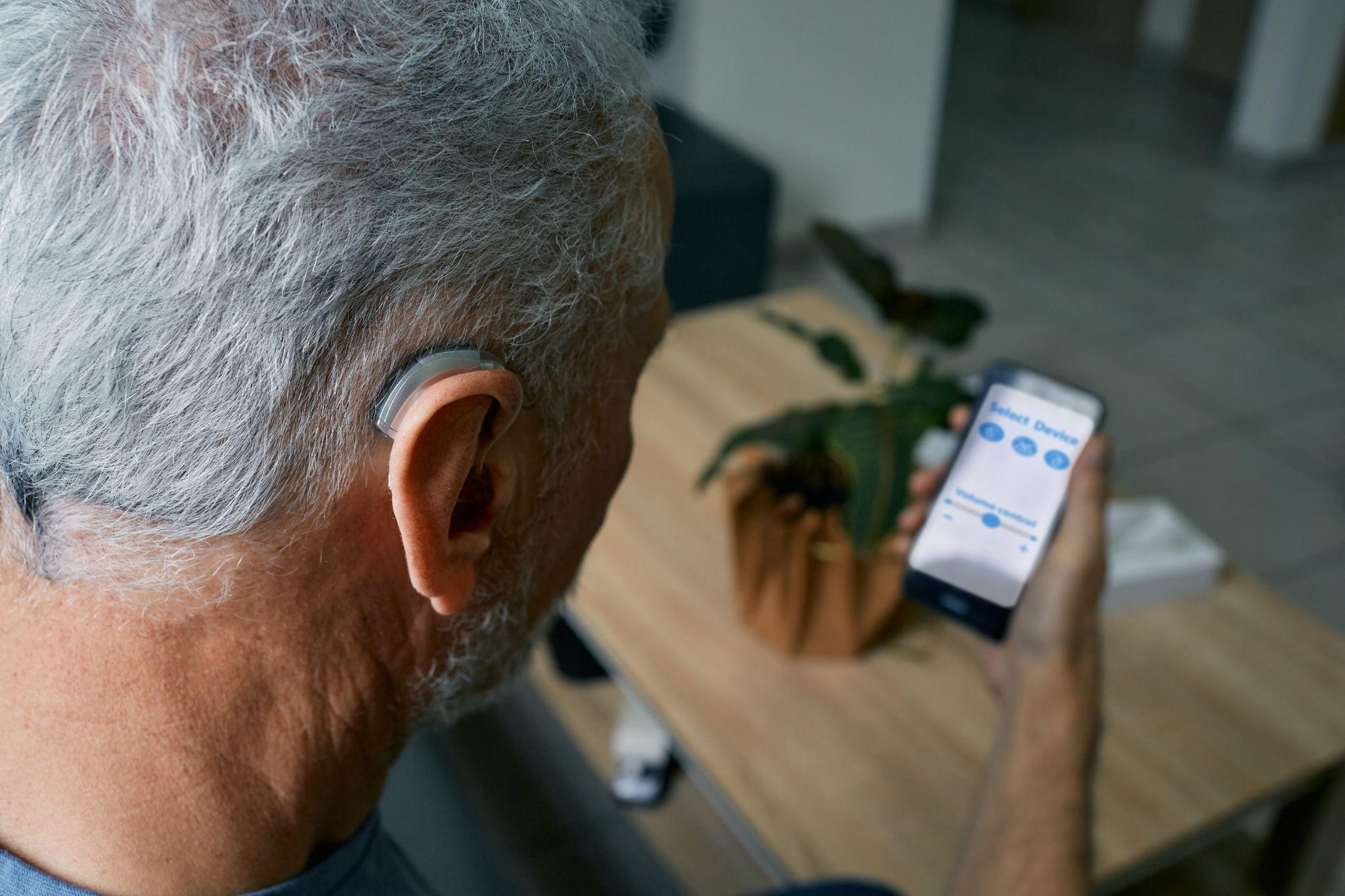
Bluetooth connectivity lets you pair your hearing aids with your phone and use apps to change settings, check battery status, and manage listening programs. Depending on the app, a hearing care professional might even be able to make adjustments to your devices remotely.
This feature makes using your hearing aids more convenient and allows fine-tuning without unnecessary office visits.
Compatibility With Other Assistive Devices
Some hearing aids are designed to connect to additional listening systems, like hearing loop systems in places like theaters, churches, and meeting spaces. When hearing aids are compatible with these systems, sound is delivered directly to your hearing aids. This added functionality helps you hear more clearly in public spaces.
Choosing the Right Hearing Aid Features For You
When you’re looking into new hearing aids and trying to understand which hearing aid features you want, start by taking a look at your day-to-day life and what your hearing challenges are. Where do you spend most of your time? How do you communicate? Answering these questions will help you determine which features will benefit you most.
- Where do you do most of your listening? If you spend most of your time at home, you may want different features than someone who spends their days in an office, works in restaurants, or attends frequent social gatherings.
- Are you frequently trying to communicate in noisy environments? If so, advanced sound processing and noise reduction can make participating in conversations easier and less tiring.
- How comfortable are you with smartphone technology? If you regularly use apps and other digital tools, app-based controls may be helpful, while others may prefer hearing aids that adjust automatically with little or no manual input.
- Do ease of use and dexterity matter to you? If handling small buttons or changing settings is a concern, features like automatic adjustments or larger controls can make your hearing aid experience more comfortable.
Get Technology That Supports Your Hearing from Beltone Skoric
Choosing the right hearing aid is not about finding the device with the most features, it’s about finding technology that fits your life. At Beltone Skoric, our hearing aid recommendations are guided by professional expertise and individualized care. A comprehensive hearing evaluation helps identify your specific hearing needs so that the hearing aid technology can be thoughtfully matched to your lifestyle.
Our team of hearing care specialists are committed to helping you navigate your options and provide personalized support. If you’re exploring hearing aids or need guidance on choosing the right features, scheduling a professional consultation at any Beltone Skoric hearing aid center in Michigan is the best place to start.