
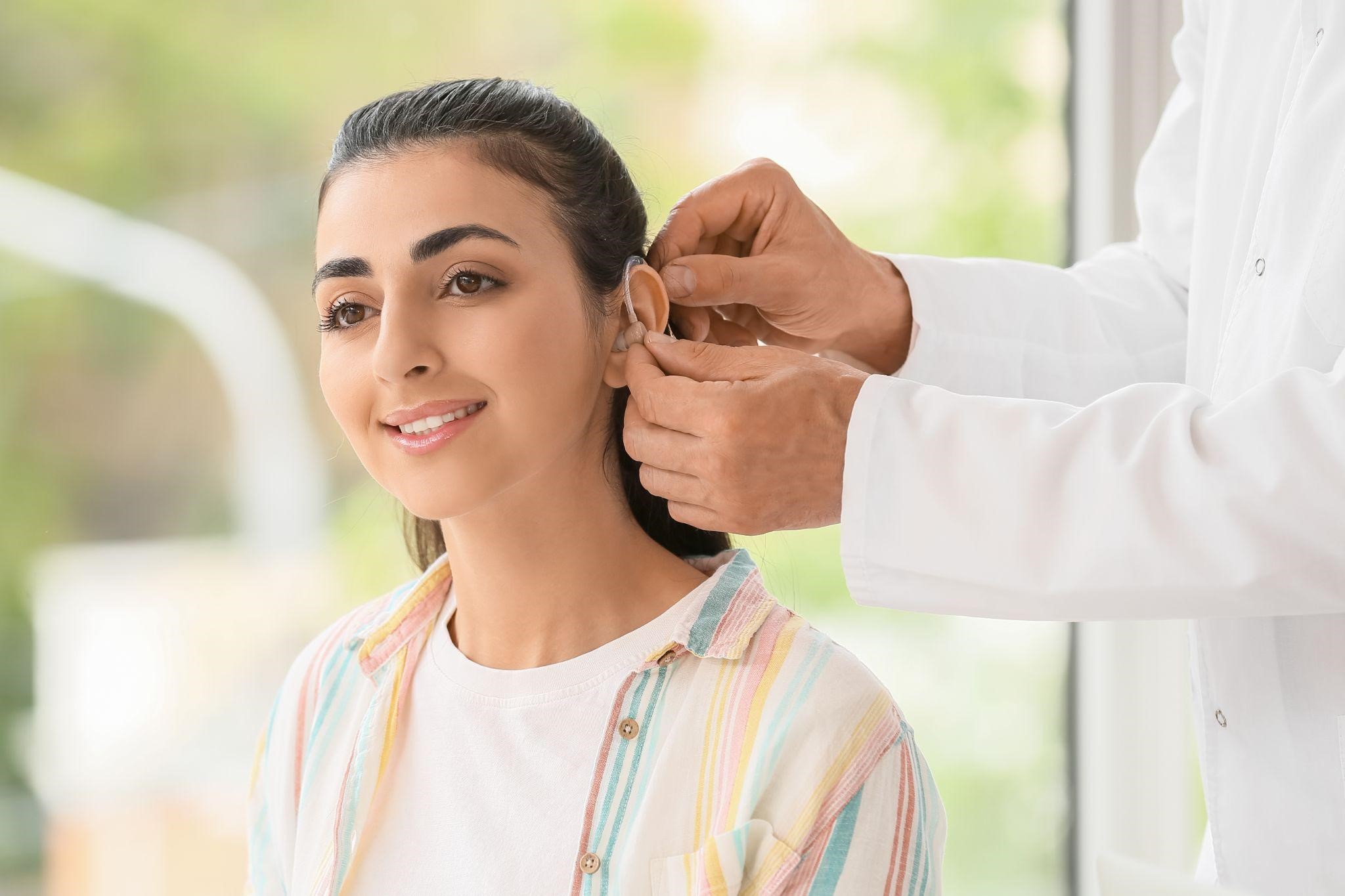
Hearing loss at 40 or younger is more common than you think. Learn how early-onset hearing loss affects daily life and why early hearing tests matter.
Hearing loss isn’t just an issue that you deal with as you get older. Hearing loss at 40, or even earlier, is more common than many people realize. Certain lifestyle factors can make early-onset hearing loss easy to overlook until it begins to interfere with your everyday life.
Addressing hearing loss in early adulthood sooner rather than later helps protect your long-term hearing health. Some forms of hearing loss can be reversed, but only if it’s caught early. Letting hearing damage go unaddressed when you’re younger can lead to irreversible hearing loss later in life.
The Hidden Impact of Hearing Loss on Daily Life
Hearing impairment can subtly affect how younger adults juggle work, relationships, and social lives. At work, it may lead to misunderstandings, difficulty during meetings, and increased mental fatigue from trying to keep up. Socially, hearing issues can lead to withdrawing from group conversations or crowded settings, creating feelings of isolation or strained relationships.
You may not realize how much energy it takes to hear the world around you, and the extra effort it requires can lead to increased stress and emotional exhaustion. Early-onset hearing loss takes a toll on both your physical and mental health.
Common Misconceptions Younger Adults Have About Hearing Loss
One of the biggest factors that leads people to ignore hearing issues is misinformation. These misconceptions can delay the diagnosis of hearing loss in early adulthood and allow it to worsen over time. Younger adults often delay getting hearing care because of common hearing myths, including:
- Only older people experience hearing loss: While hearing loss is common as you age, it can affect people of all ages, and the signs can start when you’re younger.
- I’m too young for hearing aids: Modern hearing aid models are designed for active, professional, and social lifestyles, not just seniors.
- I can hear fine if I just focus harder: Straining to hear is often a sign of an underlying issue.
How Modern Hearing Aids Work for Younger Adults
Today’s hearing technology looks and feels nothing like what you might picture when you think of hearing aids. Modern hearing aids are designed to be discreet and integrate seamlessly into everyday life.
Many of our hearing aid models connect directly to your smartphone via Bluetooth, allowing you to stream music and take phone calls through your hearing aids. The ability to use your hearing aids with app-based controls makes it simple to adjust volume or settings directly from your phone. This functionality makes hearing aids intuitive and convenient for those experiencing hearing loss at 40 or earlier.
Early Onset Hearing Loss Affects Your Long-Term Health and Well-Being
Not getting your hearing tested and neglecting getting care affects more than your ability to hear. Over time, it can affect your overall health. Untreated hearing loss has been linked to increased cognitive issues and stress levels.
Understanding the causes of hearing loss in young adults, such as noise exposure, genetics, health conditions, or lifestyle habits, can help prevent further damage. Taking steps to treat your hearing loss early helps support your ability to communicate and can combat listening fatigue.
Hearing Protection & Healthy Listening Habits for Younger Adults
Preventing further hearing damage is just as important as treating existing hearing loss. It’s important to take simple steps to protect your hearing while you’re young. Here are some steps you can take to protect your hearing:
- Keeping headphone volume at safe levels
- Taking breaks during long listening sessions
- Wearing hearing protection at concerts, sporting events, or noisy environments
- Using custom ear protection for frequent exposure to loud sounds
Adopting these habits early can significantly reduce the risk of hearing loss later in life.
Hearing Tests Matter Even If You Think You’re Too Young
A hearing test isn’t just used to identify hearing problems. For younger adults, hearing tests provide a baseline that helps track changes over time and identify early-onset hearing loss.
Comprehensive hearing evaluations provide perspective, peace of mind, and guidance on whether action is needed now or if it can be monitored over time.
Support That Puts You in Control of Your Hearing Health
Experiencing hearing loss before the age of 40 is more common than many people realize, but staying on top of your hearing health can make a meaningful difference in your overall health as you age. At Beltone Skoric, there is no such thing as a one-size-fits-all approach to hearing care. When you come to any of our Michigan hearing aid centers, our team takes the time to understand your goals and concerns and offers personalized solutions that support your lifestyle.
Whether you are simply noticing changes or want to make sure your hearing is still in good condition, schedule an in-office hearing test with Beltone Skoric to get answers and navigate your next steps, now and well into the future.