Are Noise-Canceling Headphones Bad for Your Ears?
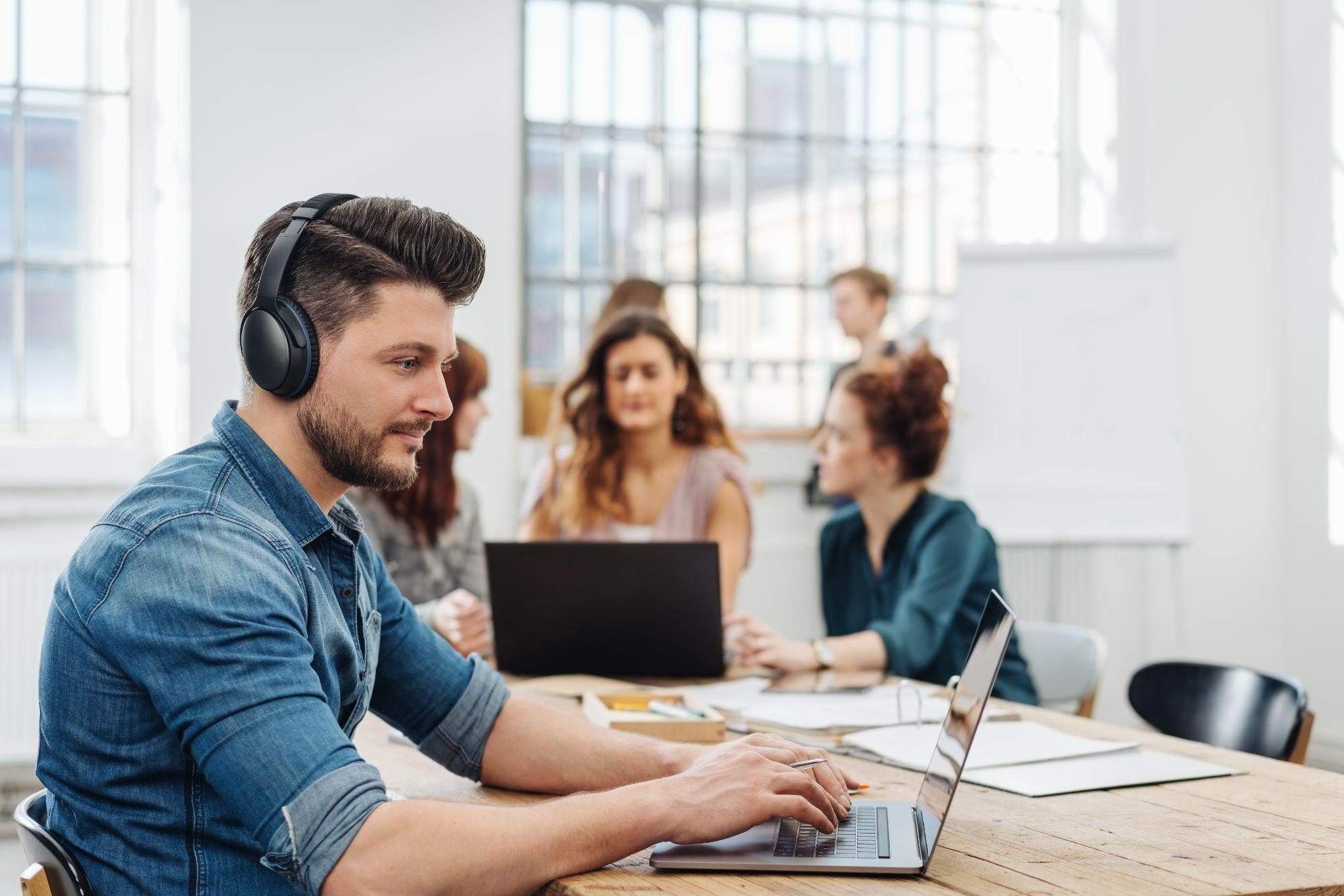
If you regularly use headphones at work, while traveling, or during workouts, you have probably wondered whether using noise-cancelling headphones is bad for your ears. Given the amount of conflicting information available, it’s not surprising that some people question if they are good or bad for your ears.
The good news is that noise-canceling headphones themselves are not harmful, but how you use them is crucial for protecting your hearing.
How Do Noise-Canceling Headphones Work?
Most noise-canceling headphones use active noise cancellation (ANC). This feature uses small microphones to pick up sounds like a plane engine or a car driving by and generates a sound wave that counteracts the noise before it reaches your ears.
Noise cancellation does not plug your ears or block out all sounds, like earplugs or industrial hearing protections does. It just helps reduce constant background noise, especially constant low-frequency sounds. Using this feature does not damage hearing in and of itself.
The Impact of Loud Sounds and Volume Levels On Your Hearing Health
Hearing damage occurs when your inner ear is exposed to loud sounds for prolonged periods of time. This can cause noise-induced hearing loss, which is permanent.
The two main factors that determine your risk for NIHL are how loud the sounds are and how long you are exposed to them. Headphone hearing damage doesn’t happen because of the headphone style. It happens because of excessive volume and prolonged listening.
What Decibel Levels Are Considered Safe?
Understanding safe listening levels can help you make better decisions.
- Normal conversation: ~60 decibels (dB)
- Busy traffic: ~85 dB
- Many headphones at high volume: 95–105+ dB
Hearing health experts generally recommend limiting exposure to sounds around 70 dB to about 8 hours per day. For every 3 dB increase, the safe listening time is roughly cut in half. That means that if you’re listening to something around 100 dB, hearing damage can occur in as little as 15 minutes.
When using smartphones or other personal listening devices, it’s easy to exceed safe levels without even realizing it. That’s why guidelines like the 60/60 rule are helpful, this rule recommends keeping the volume at 60% and listening for 60 minutes at a time.
Are Noise-Canceling Headphones Safer for Your Ears?
When you’re in noisy environments, like on an airplane or on public transportation, you might turn the volume up on your headphones to try to drown out the background noise. Turning your headphones up when you’re in a louder space increases your risk of hearing damage from headphones.
Noise-canceling headphones reduce that background noise, so you may not need to turn the volume up as high, which helps you stick to safer listening habits. However, noise cancellation does not automatically protect your hearing. Even with noise-cancelling headphones, listening at a high volume can still damage your hearing.
The Real Risk: Volume, Not the Technology
Noise-canceling technology does not harm the inner ear, produce harmful sound frequencies, or impair your ability to hear. What causes damage is excessive exposure to loud sounds over time.
Even with ANC enabled:
- Listening at maximum volume can still cause harm.
- Long, uninterrupted listening sessions increase cumulative risk.
- Comfort does not equal safety.
So are noise-cancelling headphones bad for your ears? No, but unsafe listening habits can be.
Common Myths About Noise Cancellation
Myth: Noise-canceling headphones prevent hearing loss.
Fact: They reduce background noise but do not prevent damage from listening at high volumes.
Myth: If it sounds clear and comfortable, it’s safe.
Fact: Damage can occur even when the sound level feels pleasant.
Myth: Noise cancellation itself harms your ears.
Fact: There is no evidence that ANC technology damages hearing structures.
Safe Listening Practices For Using Headphones
Whether you use noise-canceling headphones or standard earbuds, these tips can help protect your hearing:
- Keep volume below 60% of maximum.
- Take listening breaks every hour.
- Avoid sleeping with headphones playing.
- Use built-in volume limit settings when available.
- Choose over-ear designs when possible, which may reduce the need for higher volume.
Consumer-grade headphones are not a replacement for professional-grade ear protection. In extremely loud situations, like concerts, using hearing protection like earplugs is necessary and not using them can increase your risk for noise induced hearing loss.
When to Be Concerned About Your Hearing
If you experience any of the following after headphone use, it may be time to schedule a hearing evaluation as they can be signs of noise-related hearing changes:
- Ringing or buzzing in the ears (tinnitus)
- Muffled hearing
- Difficulty understanding speech in background noise
- Sensitivity to everyday sounds
Protect Your Hearing for the Long Term With Our Help
Noise-canceling headphones are not harmful in themselves. However, they can reduce the temptation to turn up the volume when you’re in a noisy place. The real key to preventing hearing damage from headphones is monitoring volume, limiting listening time, and taking regular breaks.
If you’ve noticed changes to your hearing, scheduling a professional hearing evaluation can give you the answers you’re looking for, like how advanced your hearing loss is. At Beltone Skoric, our licensed hearing care professionals provide personalized hearing testing and the support you need to help you protect your hearing during every stage of your life.
Your hearing is meant to last a lifetime, and small, smart habits today can make a meaningful difference tomorrow.