Behind-the-Ear vs. In-The-Ear Hearing Aids: Which Is Right for You?
Choosing the right hearing aid style significantly impacts the sound quality you get and how well you can communicate with hearing loss. When comparing behind-the-ear and in-the-ear hearing aids, it’s important to understand how each type works and when to choose one over the other. One option is not better than the other, so it’s a matter of choosing the style that has the features you want.
Many Beltone hearing aid models are available in different styles, like the Rely and Amaze, so comparing in-the-ear vs behind-the-ear hearing aids is all about finding the best option for you.
What Are Behind-the-Ear (BTE) Hearing Aids?
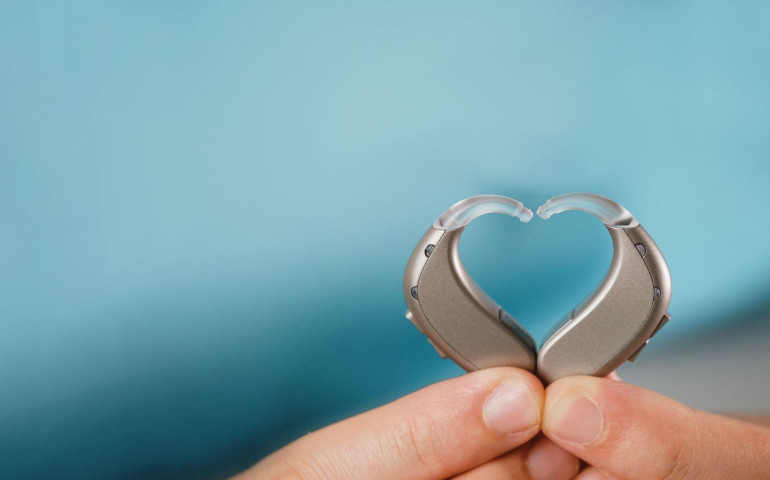
This kind of hearing aid sits discreetly behind the ear, and a small tube delivers sound into the ear canal. The part that sits behind your ear houses the electronics and power source, while the tubing and dome pipe the amplified sound to your ear.
BTE devices are usually recommended for people with moderate to severe hearing loss because they provide stronger sound amplification, which can accommodate a wide range of hearing needs. They are also often easier for users with dexterity concerns to handle, since the components are larger and simpler to manipulate.
BTE hearing aids are durable and versatile, and are generally good in noisy conditions. However, some users find them slightly more visible than in-the-ear styles, and routine maintenance of the tubing and earmold is required to maintain optimal performance.
What Are In-The-Ear (ITE) Hearing Aids?
In-the-ear hearing aids are custom-made and designed to fit directly inside your outer ear. Unlike behind-the-ear devices, all the electronic components, including the microphone, amplifier, and speaker, are combined into a single device that fits in your ear. Since ITE devices are custom-made to fit your outer ear, they provide a more comfortable fit compared to other hearing aid styles.
These devices are best suited for individuals with mild to moderately severe hearing loss who want a hearing aid that does not rest behind the ear. Because of their all-in-one design, which makes them easy to take in and out, this type of hearing aid has a more discreet appearance when compared to behind-the-ear devices.
Many ITE devices come equipped with a wide range of features, including directional microphones and wireless connectivity, depending on the model. However, because they’re situated in your ear, they are more exposed to earwax and moisture, so they require more frequent cleaning and maintenance to stay in good condition.
Which Hearing Aid Style Is Right for You?
Once you know the difference between these two common styles of hearing aids, how do you determine which one is the best choice for you? There are several factors to consider when determining which hearing aid best suits your needs.
Ideal Candidates for Behind-the-Ear Hearing Aids
If you have significant hearing loss and spend a lot of time in noisy environments, you may find BTE devices better at making speech clearer. Behind-the-ear hearing aids might be for you if you:
- Have severe to profound hearing loss
- Need higher sound amplification for clearer communication
- Prefer easier handling and less maintenance
- Want a durable device that can stand up to an active lifestyle
- Would benefit from larger batteries or rechargeable options
Ideal Candidates for In-Ear Hearing Aids
If you want a more discreet option and value connectivity features, you may prefer ITE hearing aids. In-ear hearing aids might be the right choice for you if you:
- Have mild to moderate hearing loss
- Prefer a device that fits entirely within your outer ear
- Want a balance of discretion and ease of handling
- Are interested in wireless connectivity features
- Can commit to regular cleaning to manage wax and moisture buildup
Maintenance and Care Differences Between BTE and ITE Devices
Daily Cleaning and Hygiene
In-the-ear hearing aids are more susceptible to earwax accumulation and moisture exposure because they fit directly into the outer ear. Wipe them down with a soft, dry cloth when you take them out, and inspect the microphone ports and sound outlet openings for debris.
Behind-the-ear hearing aids should be kept clean, including the earmold or the tube that carries sound to the ear. It should be wiped regularly to remove accumulated earwax and prevent any leftover residue from affecting performance.
Avoid water, alcohol-based cleaners, or harsh chemicals, as these can damage sensitive electronics.
Component-Specific Care
ITE hearing aids feature small microphones and receiver ports that can be blocked by earwax. The replaceable wax guards must be replaced according to the manufacturer's instructions.
BTE devices use tubing that should be replaced periodically to maintain sound quality and reduce moisture buildup. The earmolds also need to be cleaned regularly to avoid blockages.
Both types of hearing aids require routine inspections to ensure the sound pathways remain clear and the components function properly.
When Professional Servicing Is Needed
If you notice a reduction in sound quality, intermittent performance, or physical damage to your hearing aids, having them serviced or repaired by a professional can help restore their functionality. Regular maintenance can help extend the life of your hearing aids and ensure you’re always getting the best performance from them.
Your local hearing aid center offers the assistance you need to keep your hearing aids in good condition and give your hearing the boost it needs.
How Professional Hearing Evaluations Guide Device Selection
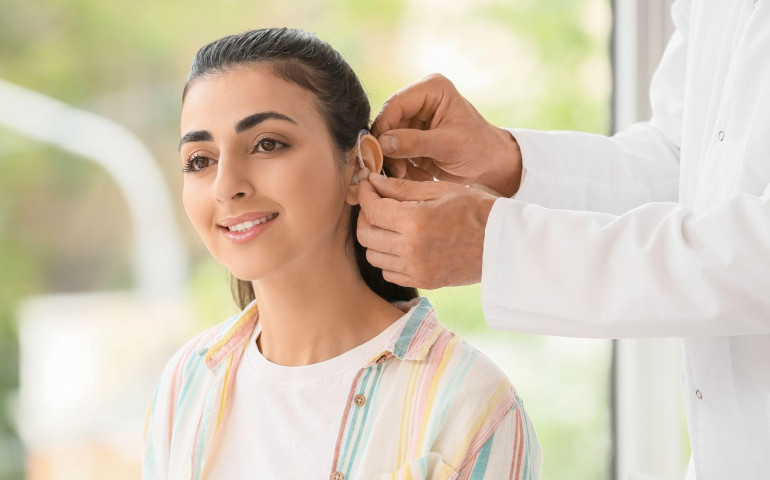
A professional hearing evaluation is the first step to receiving quality hearing care. During a hearing evaluation, the audiologist will test your hearing sensitivity and ability to recognize speech, creating a personal profile called an audiogram.
During a hearing evaluation, your lifestyle, communication needs, and comfort level are all considered.
If you have not had a hearing evaluation recently, scheduling an evaluation is an important first step.
Comparing Hearing Aids Requires an Expert Opinion
Deciding between behind-the-ear or in-the-ear hearing aids is much easier with expert guidance.
Take the first step towards better hearing! Contact us today to arrange a hearing assessment and experience the difference that a hearing aid suited to your individual needs can make.