
Hearing loss is a condition that tends to start slowly through subtle signs that are easy to dismiss. Because these changes are gradual, many people adjust without fully realizing how much they’re missing.
One of the reasons why people put off getting help for their hearing loss is because it’s gradual. It’s typically not a conscious decision, your body has simply adapted to the symptoms you’re experiencing. But understanding how common untreated hearing loss is and the potential consequences can make it easier to recognize when hearing support could genuinely improve daily life.
Early Signs People Miss
These subtle changes in your hearing are often a tipping point for most people, indicating it’s time to seek some answers. Some of the earliest signs you might be dealing with untreated hearing loss are:
- Struggling to hear clearly in restaurants or group settings
- Frequently needing people to repeat themselves
- Feeling like speech sounds muddled or blends together
Common Reasons People Delay Hearing Loss Treatment
Their Hearing Isn’t “That Bad” Yet
Unlike a sudden injury or illness that can require immediate medical attention, hearing loss rarely feels urgent, and you might not realize how much extra effort listening requires. These adjustments can mask your condition for a long time.
Even if you don’t think your hearing has changed, the people closest to you usually start noticing the changes before you do. If they’ve started commenting on your hearing, it may be time to schedule a hearing evaluation. You might already be dealing with mild hearing loss and not know it.
Denial and Emotional Barriers
There’s an emotional component to hearing loss. It can feel like a sign of aging, which can be a sensitive topic, even though it can happen at any age for any number of reasons. Hearing loss stigma can quietly influence the decision to find a treatment that works for you.
Treating hearing issues is no different than taking care of your eyes or teeth. Addressing the changes in your hearing can improve your quality of life and remove the frustration or strain you have been experiencing.
Stigma Around Hearing Loss and Using Hearing Aids
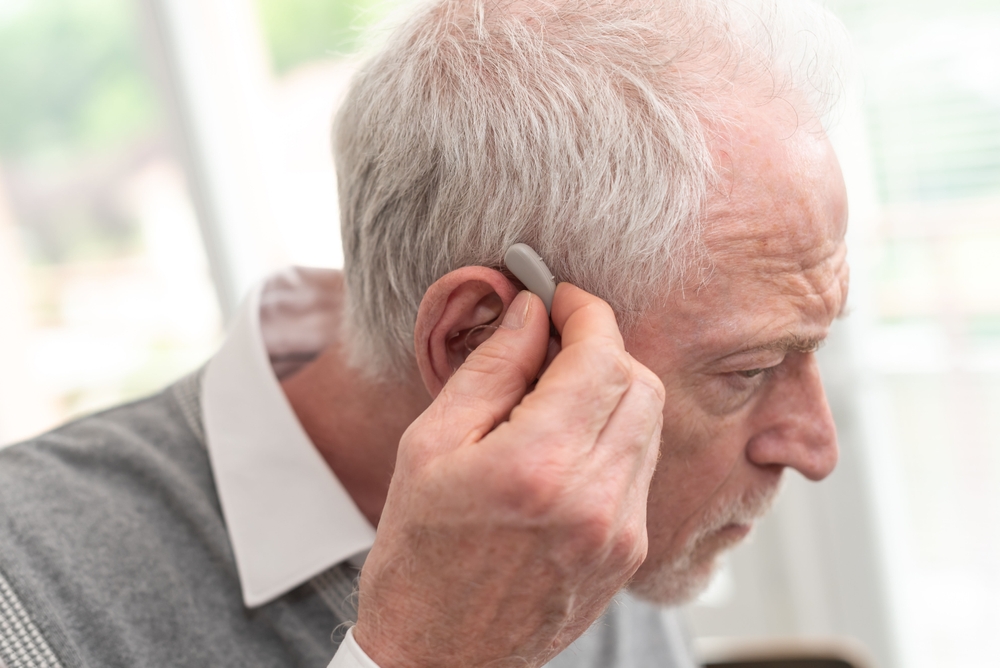
Outdated hearing aid stereotypes might have you thinking they are bulky, obvious, or that they are only for older people. But current models on the market are smaller, less noticeable, and easier to use than ever. Wearing hearing aids these days is comfortable and easy to manage.
The latest hearing aid models available are designed to integrate seamlessly into your life. Many styles are so discreet people can’t even tell you’re wearing them. More importantly, they do far more than simply make sounds louder. They’re capable of automatically adjusting to your environment to make sounds clearer and your experience more natural.
Cost Concerns and Misconceptions
The cost is another reason you might be avoiding getting hearing aids. You might think you can’t afford them or you don’t want to waste money on a device that doesn’t work for you.
Our hearing care is highly personalized. So you’re getting support that addresses the hearing issues you’re facing in your daily life, and knowing that your investment will be worth it helps outweigh the initial cost concerns.
Fear of Being Pressured Into Treatment
Some people think a hearing appointment will automatically lead to hearing aids, and that misconception alone keeps many from getting their hearing tested and addressing their symptoms.
A hearing evaluation is simply a diagnostic process, and any recommendations that come from it are based entirely on your degree of hearing loss and how your hearing affects your lifestyle. It doesn’t automatically mean hearing aids. It might lead you to figure out how to manage your tinnitus or address a medical concern affecting your middle or inner ear.
Busy Schedules and Putting Off Your Health
Sometimes life gets in the way, and your health gets put on the back burner. If your symptoms are mild, hearing care can feel like something that can wait. But continuing to put off a hearing test and untreated hearing loss can have consequences.
Hearing evaluations are quick and non-invasive. They don’t take a long time, and the payoff is knowing the current status of your hearing and getting answers to any hearing issues you’ve been having.
The Hidden Effects of Untreated Hearing Loss
When untreated hearing loss goes unaddressed, its impact spreads beyond just your hearing:
- Conversations have become draining and even frustrating
- Simple tasks require more mental energy
- Social gatherings have become more exhausting
- Communication breakdowns with family and friends can strain relationships
- Long-term effects on your cognitive health due to untreated hearing loss
What Changes When You Seek Treatment
Getting help for your hearing issues isn’t just about fixing a problem. It’s about giving you the opportunity to reconnect with the people and experiences you love most. Instead of constantly trying to fill in missing words or guess what was said, you can focus on participating in the conversation itself.
You’ll also notice more confidence in social situations, family gatherings, and professional settings. The biggest benefit of treating your hearing loss is that as communication becomes more comfortable, relationships get stronger.
Hearing Aids Today Are Not What You Expect
The hearing aids that are worn today are smaller, more discreet, and integrate seamlessly into your life. They have several features that make using them more convenient and natural to use.
Things like rechargeable batteries, wireless connectivity for calls, streaming capabilities for media, and advanced programming mean you’re getting a more modern experience. The goal of using hearing aids is to help you hear more comfortably and go about your day more confidently.
What to Expect During a Hearing Evaluation
Your hearing test will include:
- A conversation about your hearing challenges
- A quick ear examination
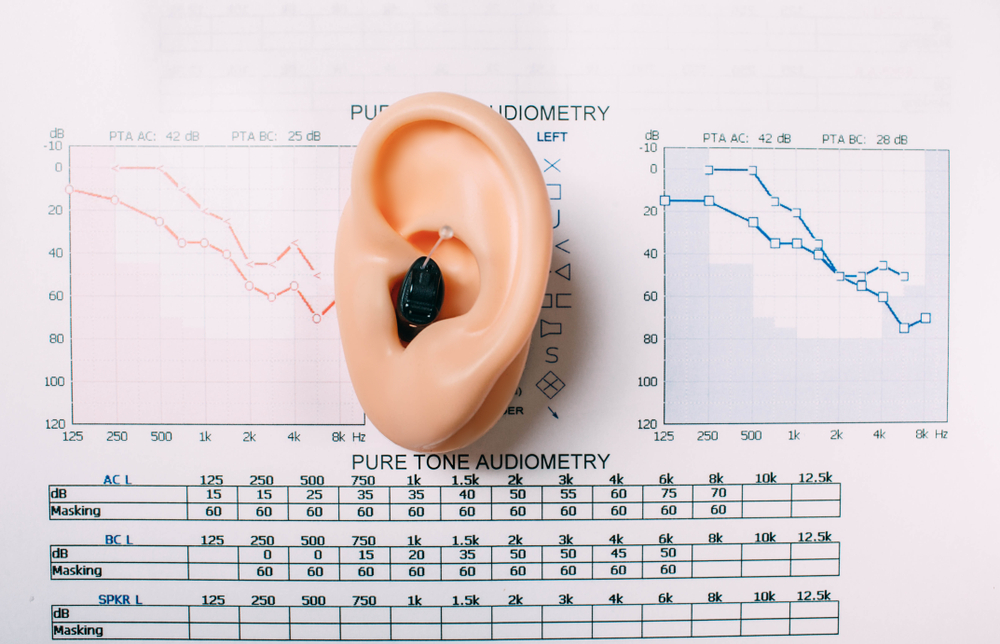
- Hearing tests for tones and speech understanding
- A clear, easy-to-follow explanation of results
- Guidance on what treatment or course of action is needed
Can You Wait Too Long to Get Hearing Aids?
There might be a point when you’ve waited too long to address your hearing loss. As hearing becomes more difficult, the brain receives less sound input, and the longer hearing loss goes unaddressed, the more likely your symptoms are to worsen and potentially further damage your hearing. Hearing aids can help at different stages of hearing loss, but delaying getting them might mean that they’re going to be less effective than if you had gotten fitted for them sooner.
The good news is that it’s never too late to learn more about your hearing health. If you’re dealing with hearing loss symptoms, it may be time to schedule an in-office evaluation. Taking action sooner means regaining your hearing and getting back to living your life before your hearing loss becomes permanent and untreatable.
Why Choose Beltone Skoric for Hearing Care
Many people wait to get their hearing checked because they don’t know whether their hearing changes are significant enough to address or because they don’t know what to expect from the whole process. But a hearing evaluation is an opportunity to learn more about your hearing health and get professional recommendations that fit your specific needs.
At Beltone Skoric, our experienced hearing care professionals provide comprehensive hearing evaluations and take the time to explain your results in a way you can understand. Whether your next step is treatment, monitoring, or establishing a baseline for future care, we’re here to help you make informed decisions about your hearing