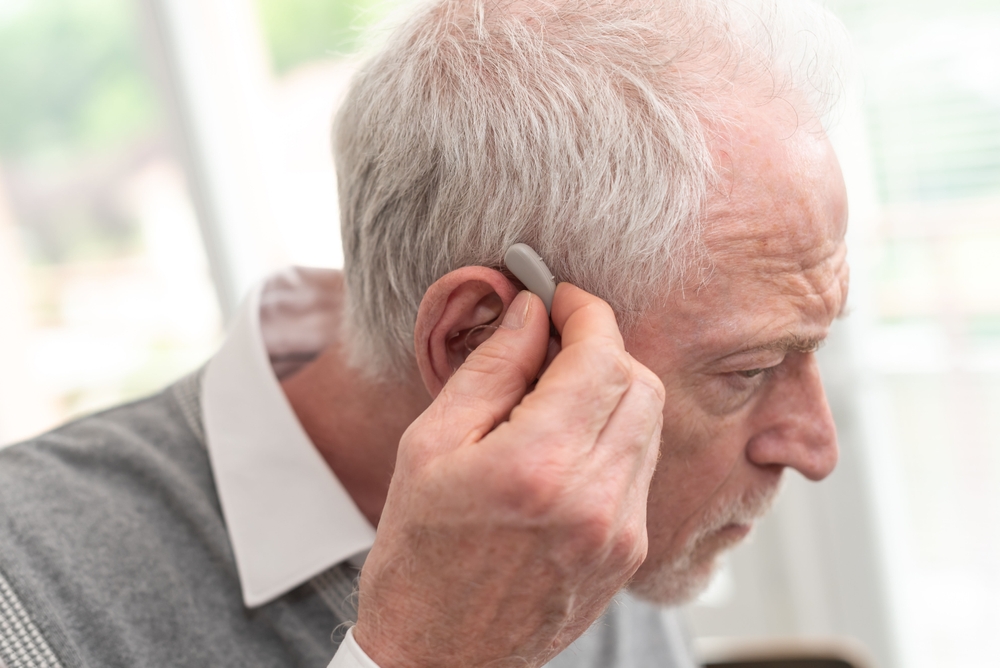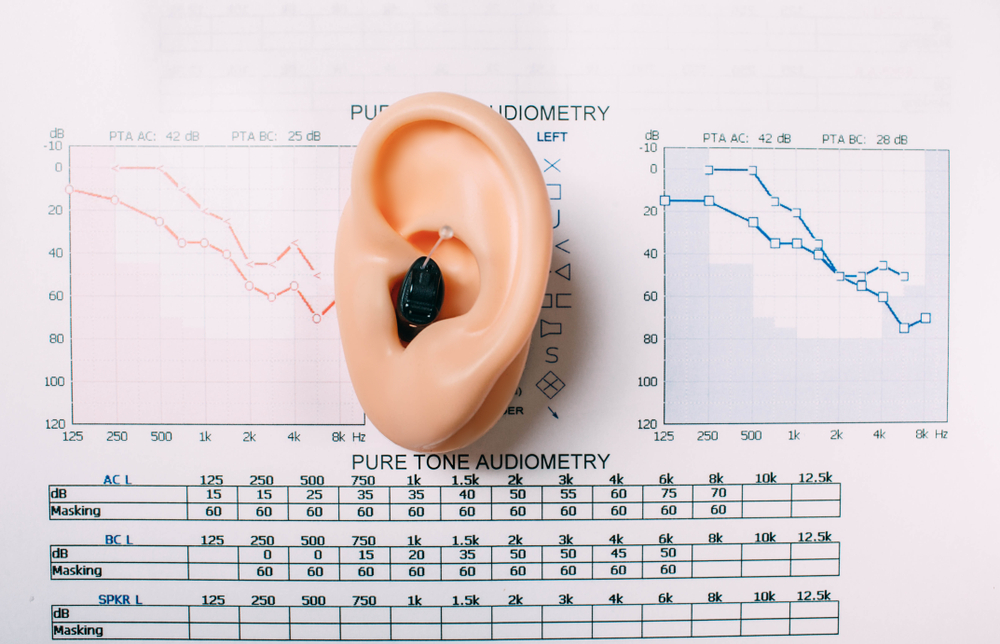

Learn how to talk to a loved one about hearing loss with empathy. Get tips to encourage a hearing test at Beltone Skoric.
If you’ve noticed signs of hearing loss in a close friend or family member, it can be hard to know how to approach the topic. Discussing hearing loss is a sensitive subject, and they may not be receptive to having this tough conversation. Especially if they aren’t aware they’re showing signs.
Leaving hearing loss untreated can affect relationships, mental health, and overall quality of life. Therefore, it’s essential to approach the situation with compassion and help your loved one take the first step toward regaining their hearing.
A Quick Overview of the Signs of Hearing Loss
A person’s well-being is a personal matter. That’s why it’s crucial you know what you’re looking for before bringing up potential hearing loss with a friend or family member. You should look for patterns instead of just a couple of instances.
Some early indicators include:
- Asking people to repeat themselves often
- Turning up the volume on the TV or radio
- Avoiding group conversations or social gatherings
Choosing the Right Time and Place
If you’ve decided it’s time to convince someone they need hearing aids or encourage a loved one to get their hearing tested, the timing of this conversation is important.
Your loved one might be more receptive to what you’re trying to tell them if it’s done privately. Choose a calm and comfortable environment, maybe over dinner. Avoid having this conversation in a public setting or during a busy or stressful time.
Approaching the Conversation with Empathy
When having this conversation, don’t start with an accusatory tone. No one wants to hear that something might be “wrong” with them, so coming from a place of concern might make them more receptive. Encourage your loved one to get their hearing tested by showing them you understand their struggle and care about their well-being.
Address your concern about their safety, and be patient and empathetic to their response because it might take more than one conversation to get your point across.
Expect Emotional Resistance
The topic of hearing aids can be a difficult one for those affected to discuss. It’s common to be met with resistance or confusion on their part. It can be an emotional conversation because it can bring up feelings about aging or their overall health.
Don’t dismiss their concerns. Reassure them that hearing aids are common and will improve their quality of life. Show them you understand where they are coming from and highlight the benefits of addressing their hearing loss.
Offer Support Without Pressure
There’s a fine line between being supportive and pushing this topic on someone. It’s important not to pressure them into getting hearing aids before they’re ready. You can show support by:
- Listen to their frustrations without judgment.
- Share examples of how hearing loss is affecting their everyday life.
- Offer to schedule and attend their hearing test appointment.
- Include them in group conversations.
- Reassure them that hearing loss is common and can be remedied.
Focus on Positive Outcomes
Staying positive will make the whole situation more comfortable for everyone. Encourage your loved one by talking about the positive aspects of improving their hearing. It will improve their ability to communicate with their family and friends. Regaining their hearing will also allow them to have more confidence and independence in their daily lives. This will, in turn, make their favorite activities, hobbies, and social life more enjoyable again.
By focusing on the benefits, you shift the focus from the detriment of hearing loss to the possibilities that come with getting your hearing tested.
Tips for Ongoing Support
Convincing them to get their hearing tested is just the beginning. Offering continued support will help keep them on track and can show them they’re not going through this alone.
- Check in with them periodically to see how they’re adapting
- Celebrate small wins like attending appointments
- Encourage them as they adjust to new equipment
Help Them Regain Their Hearing With Beltone Skoric
Talking about hearing loss with someone you care about isn’t always easy, but it can be the push they need to ensure they address the issue. With the right support, your loved one doesn’t have to face this journey alone. By encouraging them to take that first step, you’re not just addressing hearing loss, you’re helping them improve their quality of life.
The hearing specialists at Beltone Skoric will perform their hearing test at any of our Michigan locations and assist them in selecting the right hearing aid if they qualify. They will also provide long-term hearing aid care, like repairs and tune-ups.
The first step in addressing your loved one’s hearing loss is a free evaluation. Schedule one today!