Dementia is a medical term used to define a cluster of symptoms that affect your memory, thinking, communication, and decision-making. It is not a disease in and of itself. It’s a term for changes in your cognitive function that can be caused by different underlying conditions, with Alzheimer’s being the most common culprit.
However, many of the symptoms overlap with those commonly attributed to hearing loss, and while it has been shown that there’s a link between the two conditions, it’s not that simple.
Because dementia affects communication, many factors are looked at when making a diagnosis, and your hearing is one of them. If you’re dealing with untreated hearing loss, you may find it harder to understand questions or be confused during an evaluation, which is why your hearing is taken into account when doing any testing.
What Research Shows About the Connection Between Hearing Loss and Dementia
Researchers have spent years studying the connection between hearing loss and dementia to better understand the role hearing health plays in the aging process.
Many studies have found that people are presenting with both untreated hearing loss and dementia more frequently than expected. Scientists have also seen a connection between cognitive decline and hearing loss, and they continue to study hearing loss as a risk factor for dementia.
Does hearing loss cause dementia?
One reason the link between hearing and the risk of dementia continues to be studied is because your ability to hear is a major source of information for the brain. Every conversation you have requires the brain to recognize sounds, interpret speech, and make sense of what is being said. When hearing becomes more difficult, that process changes, and this is what prompts researchers to keep exploring how changes in sensory input changes influence brain function over time.
Recent studies have shown a link between hearing loss and an increased risk of cognitive decline, specifically for untreated hearing loss and those with more severe forms of hearing loss. Another finding is that the risk was higher for those not using hearing aids than those who do when compared against the risk for people without any hearing loss. It has also been shown that older adults with severe hearing loss were at higher risk for developing dementia.
It’s equally important to understand what the research doesn’t say. Hearing loss does not mean someone will develop dementia, and treating hearing loss does not guarantee dementia can be prevented. Instead, ongoing research is helping experts better understand the link between aging, hearing loss, and dementia to identify opportunities for earlier intervention.
How Hearing Loss Affects Everyday Thinking and Communication
To most people, hearing loss just means sounds are quieter or you can’t hear things as well, but that’s just part of the whole picture. Usually, if you’re dealing with hearing loss, not only can you not hear certain sounds, but speech also becomes less clear, especially in places with a lot of background noise.
Why Listening Can Feel So Tiring
When you have hearing loss, your brain is constantly trying to piece together context with incomplete sound information, meaning conversations require more concentration than they once did. When you miss parts of words or sentences, your brain works to fill in the missing information. This extra effort is known as listening effort and can lead to listening fatigue. However, this increased strain doesn’t mean your brain is failing or that it’s a symptom of early dementia. It just means your brain is working harder than it used to to keep up with everyday communication.
Whether this increased listening effort plays a role in long-term brain health continues to be studied and should not be interpreted as definite proof that hearing loss causes dementia. It helps scientists better understand the relationship between hearing, aging, and cognitive function.
When Hearing Loss Can Be Mistaken for Memory Problems
Hearing loss can sometimes look like forgetfulness or confusion. If someone answered a question incorrectly during dinner, it might look like they forgot what the answer was supposed to be or they’ve already forgotten what was said, when in reality they only heard part of the conversation. Missing words or context during a conversation can easily resemble memory problems.
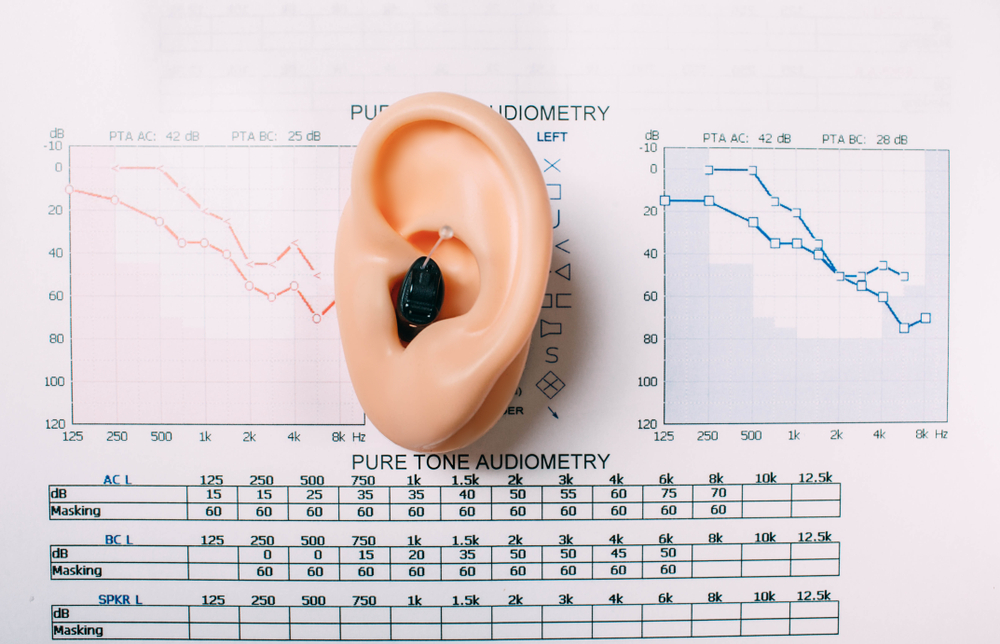
Communication challenges caused by hearing loss can sometimes appear similar to memory issues because the person didn’t hear the information clearly in the first place. This is why hearing evaluations are often recommended when someone is experiencing communication challenges. Identifying if you’re dealing with hearing loss helps your hearing care provider better understand whether your symptoms are related to hearing, cognition, or another underlying cause.
When to Get Your Hearing Checked
If you’ve noticed that conversations have become more difficult or you’re not able to hear something like you used to, or a loved one has mentioned noticing changes in your hearing, it’s a good idea to schedule a hearing evaluation.
Common signs include:
- Difficulty following conversations, especially in noisy places
- Frequently asking people to repeat themselves
- Turning the television volume up higher than others prefer
- Feeling mentally tired after conversations
- Concern from family or friends about changes in your hearing
Your Hearing Health Is Part of a Bigger Picture
The increasing number of studies on the relationship between hearing loss and dementia have allowed for better insight into the connection between your hearing and changes in cognitive functions, what the studies have not proven is if hearing loss specifically leads to dementia or whether having hearing loss mean you will definitely get dementia.
The most important takeaway is that hearing loss is common and manageable. Taking care of your hearing is about more than just being able to hear sounds more clearly, it’s about staying connected with the things that are important to you. Your hearing system and your brain are linked and have to function together every day, so staying on top of any changes in your hearing or cognitive issues can positively impact your overall well-being. If you’ve noticed changes in your hearing, having a hearing care team to help you understand the changes you’re experiencing and will find the best hearing aids that fit your needs.