
Learn how genetics affects hearing, the signs of hereditary hearing loss, and how Beltone Skoric offers expert care and solutions tailored to your needs.
Is Hearing Loss Genetic? Understanding How Genetics Affects Your Hearing Health
People typically associate hearing loss with aging or a damaged hearing system due to illness or noise exposure. But genetics and hearing loss are more connected than you might think.
Knowing if hearing problems are common in your family can help you see if you might be at risk for hereditary hearing loss. That’s why it’s so important to understand your family history and pay attention to early warning signs.
What is Genetic Hearing Loss
Genetic hearing loss occurs when changes in one’s DNA affect how one’s ears develop or function. One or both parents can pass down these mutations.
The inner ear, specifically the cochlea, relies on healthy cells and proteins to process sound. Specific gene mutations can upset this delicate system, leading to either mild or severe hearing loss. Genetics and hearing loss are connected through inherited conditions that change how your hearing system works.
Understanding Your Risk of Hereditary Hearing Loss
If hearing loss runs in your family, there’s a greater chance you may be affected too. If one parent has the gene for hearing loss and you inherit it, that’s called an autosomal dominant trait. Both parents must carry the gene in autosomal recessive cases, even if they don’t experience hearing loss themselves.
Your family’s hearing history is key to identifying your risk and catching potential issues early. Specific gene mutations can also affect whether and how severely hearing loss occurs.
Types of Genetic Hearing Loss
Congenital Hearing Loss
This type of hearing loss is present at birth and often stems from inherited conditions or problems during pregnancy. Doctors usually diagnose congenital hearing loss through newborn hearing screenings or genetic testing.
Progressive Genetic Hearing Loss
Not all genetic hearing loss is present from birth. Some types appear later in life and worsen over time. Genetic factors can influence age-related hearing loss. This type of gradual genetic hearing loss may not be obvious at first. However, it can slowly affect your daily life.
Syndromic vs. Non-syndromic Hearing Loss
Genetic hearing loss is typically classified into two categories: syndromic and non-syndromic. Syndromic hearing loss is part of a broader medical condition accompanied by other health issues or physical symptoms. Non-syndromic hearing loss affects only the ears and has no other associated health concerns.
Early Signs of Hereditary Hearing Loss
It can be hard to identify if you’re experiencing symptoms of genetic hearing loss. Here are a few things to look out for that might point to hereditary hearing loss:
- Progressive hearing difficulties
- Speech development issues in children
- Failure to respond to sounds
- Pattern of family members with similar hearing issues
Diagnosing and Managing Genetic Hearing Loss
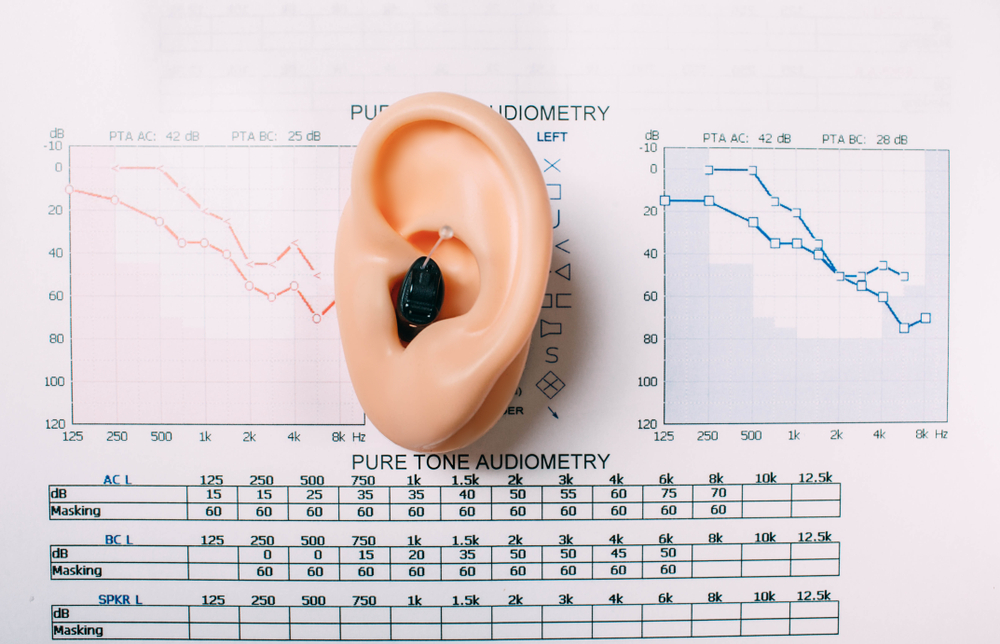
This type of hearing loss is usually diagnosed with a complete hearing test, which includes audiograms and speech tests. These tests help to determine the type and severity of the hearing loss. Sometimes, doctors may recommend genetic testing to identify specific gene mutations.
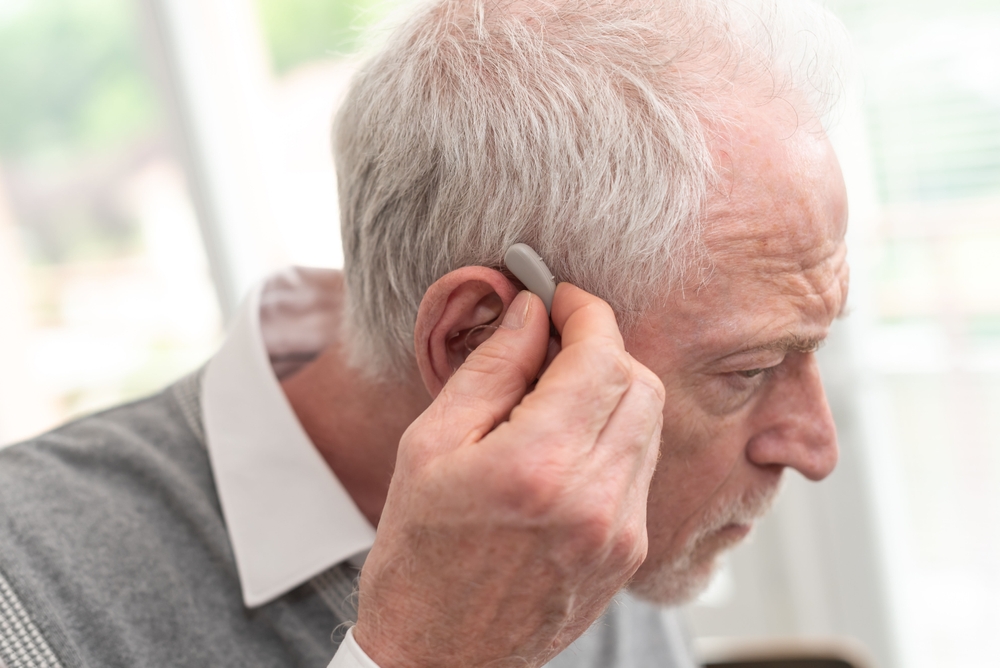
Treatment options depend on the severity of the loss. Hearing aids are effective for many, while cochlear implants may be better for severe cases. Assistive listening devices can also improve hearing in specific settings, like classrooms or noisy environments.
Beltone Skoric Can Help Support Your Genetic Hearing Loss
At Beltone Skoric, we understand the importance of early detection and personalized care for genetic hearing loss. Our comprehensive hearing evaluations examine your hearing to catch even subtle changes early. Whether you’re dealing with hereditary hearing loss or simply concerned about potential risks, we’re here to help.
We offer customized treatment plans featuring advanced hearing aids, ongoing support, fittings, follow-up appointments, and device adjustments to ensure you get the most out of your hearing.