
Valentine’s Day is around the corner, and you want to make the most of this day with your loved one. Here are five ways you can enjoy this holiday.
If you suffer from hearing loss, you may be concerned that you will not be able to enjoy Valentine’s Day. Fortunately, there are many ways where you can still enjoy the holiday with your loved one. Here are five fun ideas to consider:
Planning a Quiet Meal
One way to celebrate Valentine’s Day is to plan a quiet meal. You may not want to be in an overcrowded restaurant as it can be extremely hard to hear, and you may feel a bit overwhelmed. Instead of dealing with this, you should ask your restaurant to seat you in a corner or a quiet area. You can also avoid noisy restaurants by going to dinner earlier in the day.
If you would like to avoid crowds altogether, another great idea is to have dinner at home or even picnic somewhere quiet. You can even find many different recipe ideas online to help you create a delicious meal for your Valentine’s Day dinner.
Plan a Mini Getaway
If you want to plan a lovely Valentine’s Day getaway, this will help you to be able to enjoy your day with hearing loss. You can go for an overnight trip or wait until the weekend and do a whole weekend trip. There are many hearing loss friendly destinations and activities that you can do.
Take Care of Your Hearing Aids
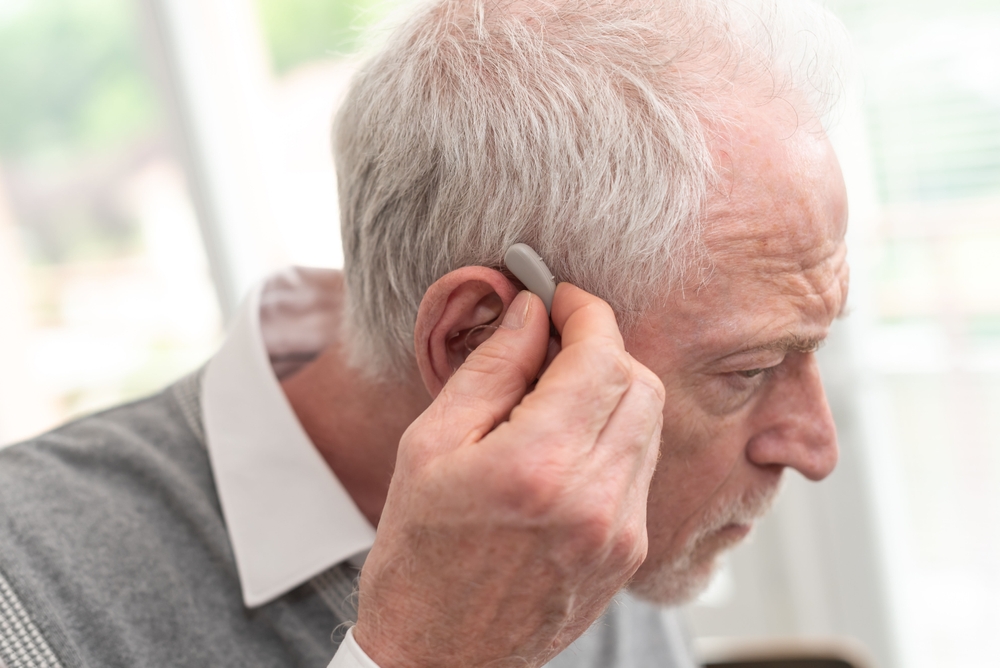
One of the most important things that you can do to have a great time, no matter what you choose to do, is to ensure that you are taking care of your hearing aids. It is essential to ensure your hearing aids are in working condition during Valentine’s Day so that you can enjoy the most of this day with your loved one. If you have not seen a hearing aid specialist lately, you may want to consider making an appointment with them just to check and ensure that your hearing aids are working as they should.
Using Technology
To make your Valentine’s Day special, you will want to listen to music and maybe even dance a little. Thankfully, there are many great hearing loss technologies that will send the music directly into your ears. You will be able to choose a playlist, and if you have Bluetooth technology with your hearing aids, you will be able to hear the music with no problems. Beltone offers a variety of Bluetooth-enabled hearing aids for you to enjoy the sounds around you.
Protecting Your Ears
If you plan on going to a live performance or a concert for Valentine’s Day, you will want to make sure that you bring hearing protection. You can choose to bring noise-canceling headphones, earmuffs, or earplugs to protect you from any additional hearing loss.
Call Us Today
If you want to ensure that your hearing aids work perfectly for Valentine’s Day, please contact Beltone Skoric Hearing Aid Center today. Our friendly hearing care specialists will check your hearing and your hearing aids to ensure that everything is working as it should.