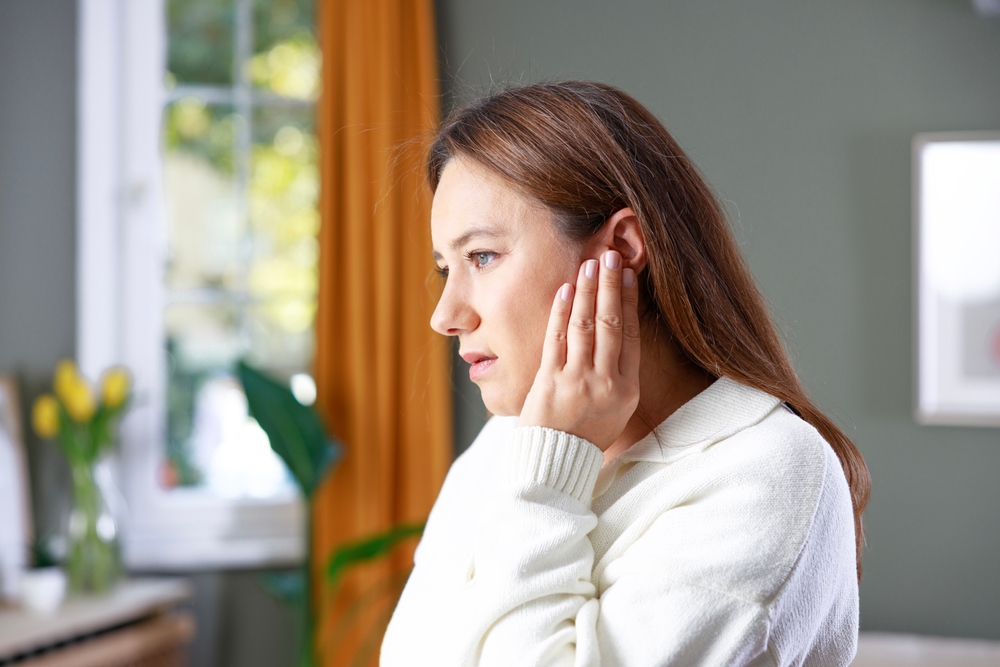
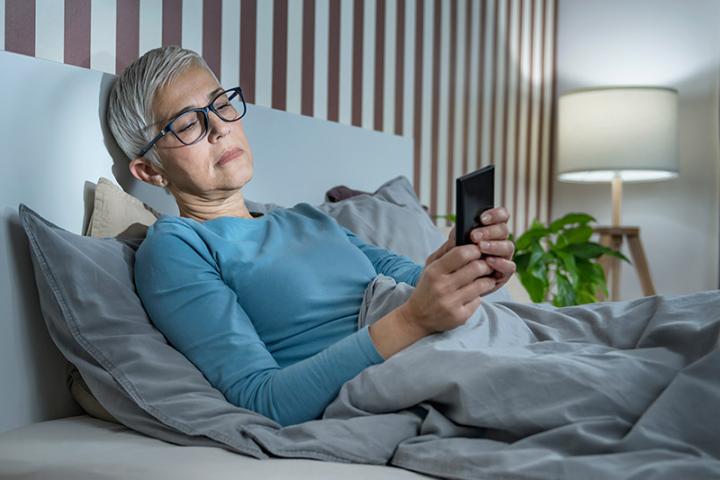
If you suffer from hearing loss, you may experience a difficult time both falling and staying asleep.
Can Hearing Aids Help Improve Sleep?
Our quality of life can suffer without enough sleep. Both our physical and emotional health is at risk if we cannot sleep well regularly. While there are several reasons for missed sleep, such as poor sleep hygiene, insomnia, depression, stress, or anxiety, hearing impairment can be overlooked.
Hearing Impairment & The Quality Of Sleep
Many people wonder what constitutes “quality sleep.” In general, 8 hours of uninterrupted sleep each night is the standard prescription. With adequate time to fall and stay asleep, we can enter REM sleep, which is necessary for a full rest.
If you suffer from hearing loss, you may experience a difficult time both falling and staying asleep. This tends to occur because the brain tries to overcompensate to hear sounds that were once heard automatically and causes strain. This type of acute awareness of the environment around you can make it difficult to “turn off” your brain at night. In addition to being on “high-alert”, hearing loss can also be related to tinnitus. This can make you hear a ringing sound throughout the night.
How Can Hearing Aids Help?
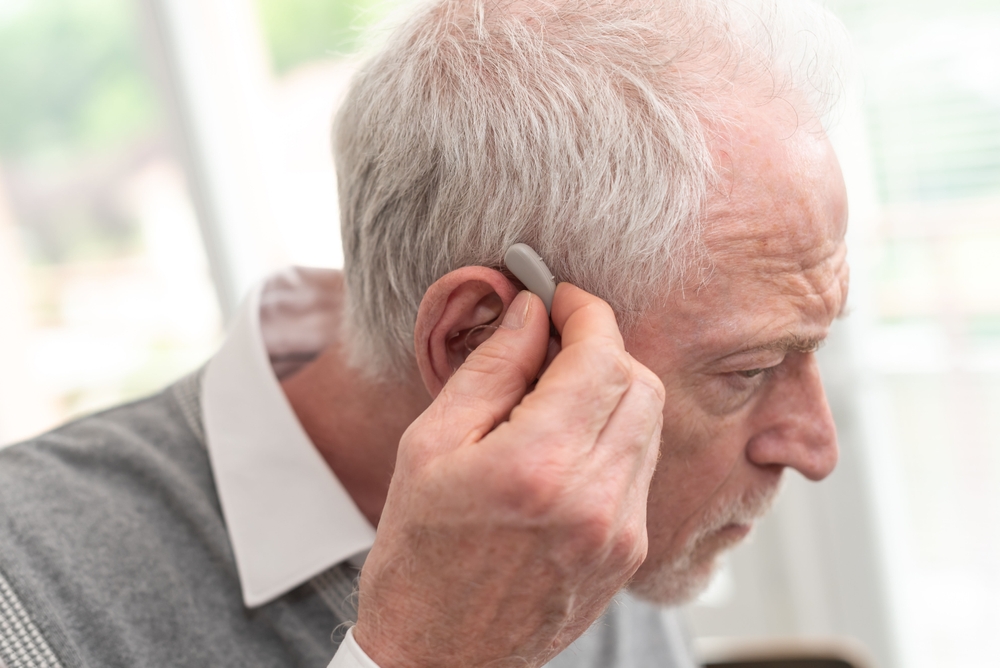
Hearing aids are a great treatment option for individuals with many different degrees of hearing loss. When wearing hearing aids all of our waking hours, quality sleep can improve for several reasons.
Hearing aids can eliminate brain strain. This occurs when the brain is programmed to stay on high alert for sounds and signals you may not be able to hear. When hearing aids are worn, you can automatically rely on sound.
Hearing aids can also treat tinnitus. Without a constant ringing noise, most find that insomnia can be easily treated if it is hearing-related. Since tinnitus can occur for long periods of time, some people may not realize its effect during sleep. Hearing aids can help correct unnecessary sounds.
How To Use Hearing Aids
Hearing aids are suggested to be worn all of our waking hours. Creating a specific sleep schedule to accommodate wearing your hearing aids all of your waking hours is recommended. This can make nighttime sleep much easier for people with hearing loss. By being able to turn off the stress associated with hearing loss, quality sleep is much more likely.
Contact Us Today!
Hearing aids are designed to maximize auditory stimulation in the brain and reduce stress and strain. Depending on the type of hearing loss you are experiencing, some hearing aids are more beneficial than others. Our hearing care professionals at Beltone Skoric Hearing Aid Center are here to help with this process.