
Explore the link between hearing loss and mental health. Beltone Skoric provides insights and support to enhance your overall health.
Hearing loss can be a major barrier to communication and socialization, leading to feelings of isolation, loneliness, and depression. This can significantly impact one’s mental health. We will explore the link between hearing loss and mental health and how hearing aids can play a crucial role in improving both.
What Are the Links Between Hearing Loss and Mental Health?
Studies show that hearing loss can be linked to a decline in cognitive function, including memory, attention, and processing speed. This cognitive impairment can result in social isolation, depression, anxiety, and even dementia. One study found that hearing loss in older adults is 2-5 times more likely to experience depression and 1.5 times more likely to develop cognitive decline.
Impact of Untreated Hearing Loss
Hearing loss can significantly impact one’s social life, career, and overall mental health. People with hearing loss often struggle to communicate in group settings, miss important information, and may experience embarrassment or frustration when repeatedly asking others to repeat themselves. Over time, these negative experiences can lead to social withdrawal, loneliness, and depression.
How Hearing Aids Can Improve Mental Health
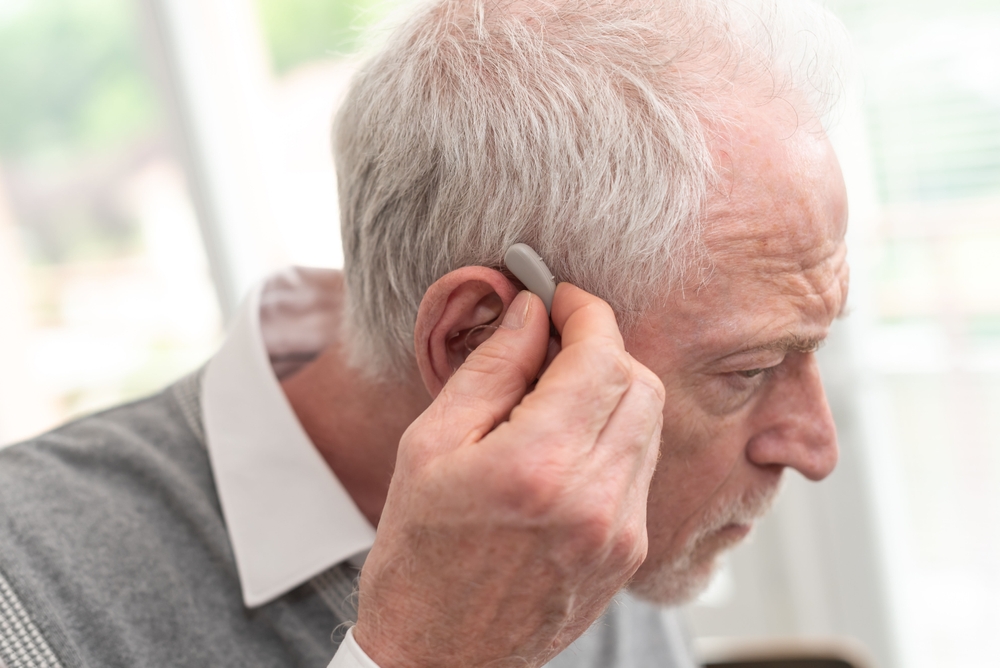
Hearing aids can help individuals with hearing loss to improve their mental health. By amplifying previously missed sounds, hearing aids can enhance communication and socialization, improving one’s overall quality of life. Research has shown that hearing aids can improve cognitive function, memory, and overall mental health while reducing the risk of social isolation and depression.
Additional Benefits of Hearing Aids
In addition to improving mental health, hearing aids have numerous other benefits. They can enhance one’s safety and awareness of their surroundings, improve relationships with friends and family, and even promote brain health and longevity. By addressing hearing loss early on and using hearing aids, individuals can maintain their cognitive function and lead a more fulfilling, healthy life.
Importance of Regular Hearing Check-ups
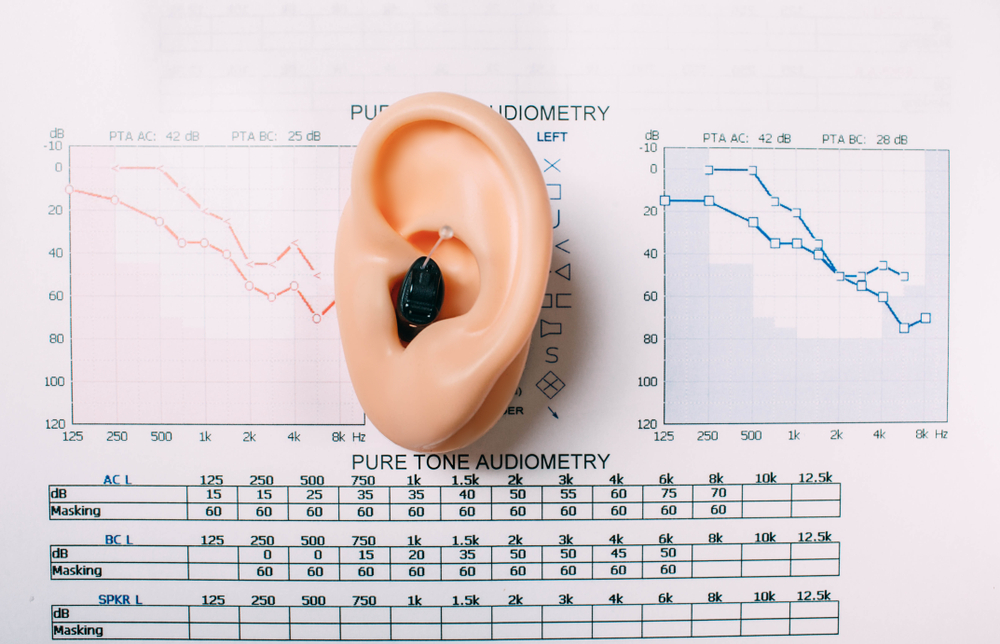
Lastly, regular hearing check-ups and early detection of hearing loss are crucial for maintaining mental health. By detecting hearing loss early, individuals can prevent the negative consequences of untreated hearing loss and take preventative measures to improve their overall well-being. Hearing loss is a common problem that often goes undiagnosed, which is why getting your hearing tested regularly is essential.
Contact Us Today!
Hearing loss can significantly impact one’s mental health, leading to social withdrawal, depression, and cognitive decline. However, with the use of hearing aids, many of these negative effects can be prevented or even reversed. Regular hearing check-ups and early detection of hearing loss are crucial for maintaining optimal mental health and overall well-being. At Beltone Skoric Hearing Aid Center, we offer a range of hearing aids and services to help individuals with hearing loss lead a more fulfilling life. Contact us today to learn more about how we can help you improve your hearing and mental health.