
Learn how to tell if your hearing loss is permanent or temporary, signs to watch for, and when to seek professional help from hearing experts at Beltone Skoric.
Many people can be unsure whether their hearing loss is temporary or permanent. Understanding the nature of your hearing loss is crucial to maintaining good ear health. Knowing the difference between temporary and permanent hearing loss can help you take the right steps toward treatment.
Whether you have a slight change in your hearing or a long-term problem, finding the cause is essential. It can significantly affect how the issue is treated.
What is Temporary Hearing Loss?
Temporary hearing loss is when your hearing ability diminishes briefly but may improve with time or treatment. This type of hearing loss is often reversible.
Common causes include:
- Ear infections
- Fluid in the ear
- Earwax buildup
- Exposure to loud sounds
- Allergies
These issues typically don’t cause permanent damage to the ear structures, and with the proper care, hearing can return to normal.
Symptoms of Temporary Hearing Loss
You may notice muffled or reduced hearing, difficulty hearing high-pitched sounds, or a feeling of fullness in the ear. Temporary hearing loss may fluctuate, coming and going. If it’s related to an ear infection, you might also experience ear pain or discomfort.
Recovery and Treatment
Fortunately, temporary hearing loss can often improve with treatment. In many cases, remedies like antibiotics for infections, decongestants for fluid buildup, or ear cleaning can restore your hearing.
Most people recover within a few days to weeks, depending on the cause.
What is Permanent Hearing Loss?
Permanent hearing loss is an irreversible hearing impairment. It is long-term and may worsen over time.
Common causes include:
- Age-related hearing loss (presbycusis)
- Noise-induced hearing loss
- Genetics
- Head trauma
- Certain medications (Ototoxic medications)
Unlike temporary hearing loss, permanent hearing loss generally doesn’t improve with treatment.
Symptoms of Permanent Hearing Loss
Signs of permanent hearing loss include a gradual or sudden decline in hearing ability. You might find it hard to hear in noisy places. You may struggle to understand speech or hear high sounds, like birds chirping or a phone ringing.
These symptoms don’t typically fluctuate and may worsen as time passes.
Diagnosing Permanent Hearing Loss
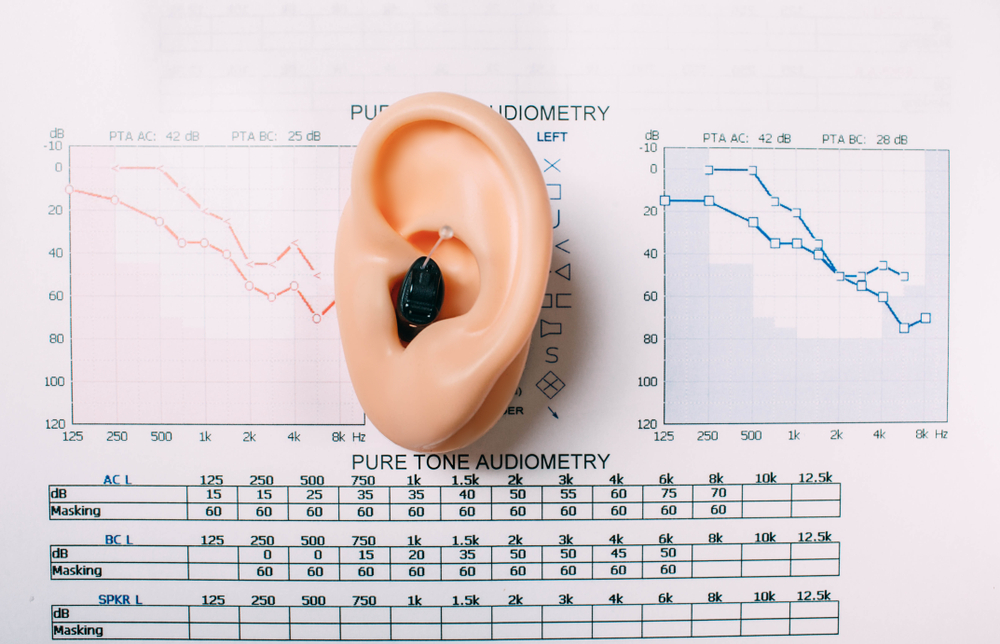
Permanent hearing loss is diagnosed through hearing tests, physical examinations, and an assessment of your medical history. If you suspect your hearing loss may be permanent, an audiologist can help confirm the diagnosis. If your hearing doesn’t recover or progressively worsens, it’s more likely to be permanent.
How to Address Both Temporary and Permanent Hearing Loss
You can try at-home remedies like ear cleaning or over-the-counter medications for temporary hearing loss. If your symptoms last more than a few days or worsen, follow up with a healthcare provider.
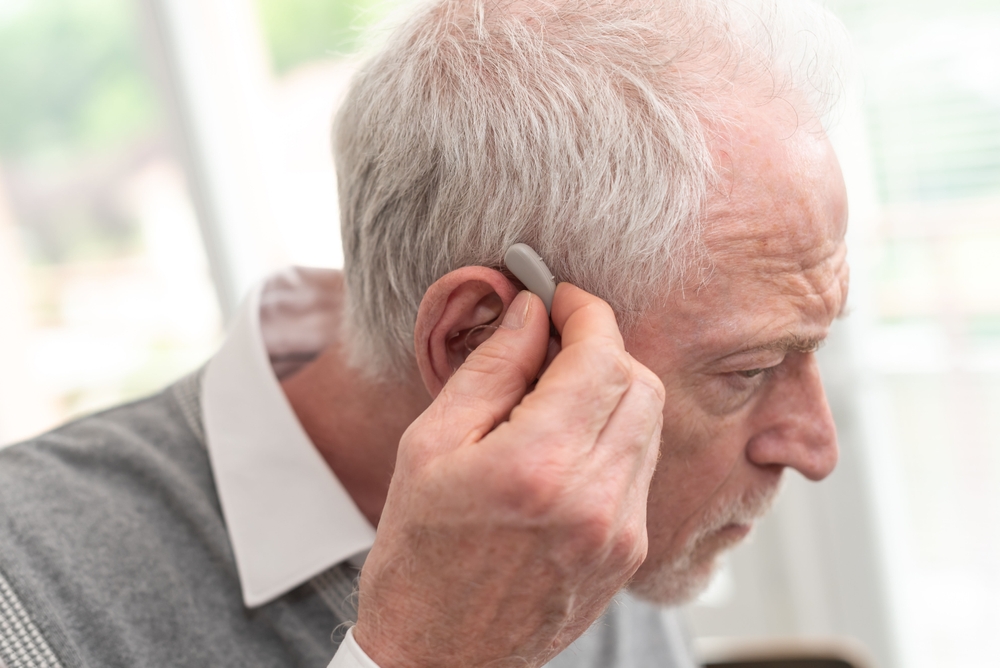
If your hearing loss is permanent, hearing aids or assistive listening devices can help amplify sounds. For severe cases, cochlear implants may be an option. Counseling and auditory training are essential in adjusting to life with hearing loss.
When Should You Seek Professional Help?
If you have sudden hearing loss, ongoing ear pain, or trouble hearing over time, get professional help. A hearing evaluation from an experienced audiologist is crucial for an accurate diagnosis.
Regular hearing tests are essential in monitoring changes in your hearing over time. Beltone Skoric provides comprehensive hearing assessments and personalized solutions to help you manage your hearing health.
Get a Hearing Evaluation at Beltone Skoric
Understanding the difference between temporary vs permanent hearing loss is crucial for managing your hearing health effectively.
If you’re concerned about your hearing, take proactive steps to care for your hearing health today!
Visit any Beltone Skoric location in Michigan for a professional evaluation and personalized treatment options.