
If you’ve ever had a sinus infection, you’ve probably noticed symptoms that go beyond the typical stuffy nose and facial pressure. Many people also experience muffled hearing, ear pressure, popping sounds, or the feeling that one or both ears are plugged.
Because your ears, nose, and throat are closely connected, inflammation from a sinus infection can temporarily affect how well you hear, that doesn’t mean your hearing is damaged permanently. While sinus infections can give you mild hearing loss symptoms, it is usually temporary and improves as the infection and congestion resolve.
That said, hearing changes that persist after you’ve recovered shouldn’t be ignored. If you’re dealing with chronic sinusitis that’s affecting your hearing, it might be bringing attention to an underlying hearing condition that was already developing.
How Are Your Sinuses and Ears Connected?
Your ears, nose, and throat are all part of the same system and have to work together. One of the most important connections is the Eustachian tube, which connects your middle ear to the back of your nose and upper throat.
These tubes have two major purposes, they balance the pressure and allow fluid to drain from your middle ear. When they’re not clogged and working properly, sound travels efficiently through your ear so you hear clearly.
When you have a sinus infection, whether it’s caused by allergies, viral or bacterial infections, or environmental factors, congestion and inflammation keep your tubes from functioning properly. As pressure builds and fluid doesn’t drain properly, your ears can suddenly feel full or plugged, leaving you uncomfortable or even with mild pain in your ears, even though the infection began in your sinuses.
How Does a Sinus Infection Affect Your Ears?
Because congestion can interfere with how your ear functions, the typical symptoms of a sinus infection can make it feel like you’re dealing with an ear-related problem. While a lot of the symptoms are ear-related, they don’t mean your hearing system has been damaged.
If you have a sinus infection, you may experience:
- Ear fullness or pressure
- A plugged-ear sensation
- Muffled hearing
- Popping or crackling sounds
- Temporary ringing in the ears (tinnitus)
- Mild balance changes or dizziness
Does Sinusitis Cause Hearing Loss?
Sinusitis can cause conductive hearing loss because congestion, inflammation, or fluid buildup behind the eardrum can reduce how well sound reaches the inner ear, making voices seem quieter or less clear.
The good news is that if you get temporary hearing loss from a sinus infection, it is usually improve once the underlying infection subsides. However, if the muffled hearing persists after your sinus infection clears, there might be another explanation so you should schedule an appointment with your doctor.
How Can Chronic Sinusitis Affect Your Hearing?
Unlike an acute sinus infection, which usually clears up within a few weeks, chronic sinusitis is ongoing inflammation that lasts 12 weeks or longer, even with treatment.
With chronic sinusitis, you’ll experience recurrent ear pressure, a consistent sensation of plugged ears and muffled hearing, and repeated episodes of Eustachian tube dysfunction. The ongoing inflammation means your symptoms can return again and again, making any hearing changes feel more permanent than they actually are.
Because of the lingering and recurring symptoms, chronic sinusitis might make you think your hearing issues are more severe than they actually are. Chronic sinusitis doesn’t lead to hearing loss, but if your hearing difficulties continue between sinus flare-ups or get worse over time, it might be going beyond your sinus condition. Getting a hearing evaluation at any of our Michigan locations can help figure out what is going on with your hearing.
Temporary vs. Persistent Hearing Changes: What’s the Difference?
Temporary Hearing Changes
Any hearing changes caused by a sinus infection usually improve as your symptoms subside. As your congestion decreases and the pressure in your middle ear goes back to normal, muffled sounds will become clear again. While how quickly you recover can vary from person to person, gradual improvement is a good sign that your hearing changes are related to the sinus infection rather than an actual hearing condition.
Persistent Hearing Changes
If your hearing is still muffled or continues to worsen after your sinus symptoms have resolved, you might be dealing with an underlying hearing condition that was exacerbated while you were sick. Sinus infections alone rarely cause lasting hearing damage. Getting a comprehensive hearing evaluation can identify the root cause of your symptoms and determine whether additional medical care or testing is needed.
Can Hearing Aids Help if Hearing Loss Persists?
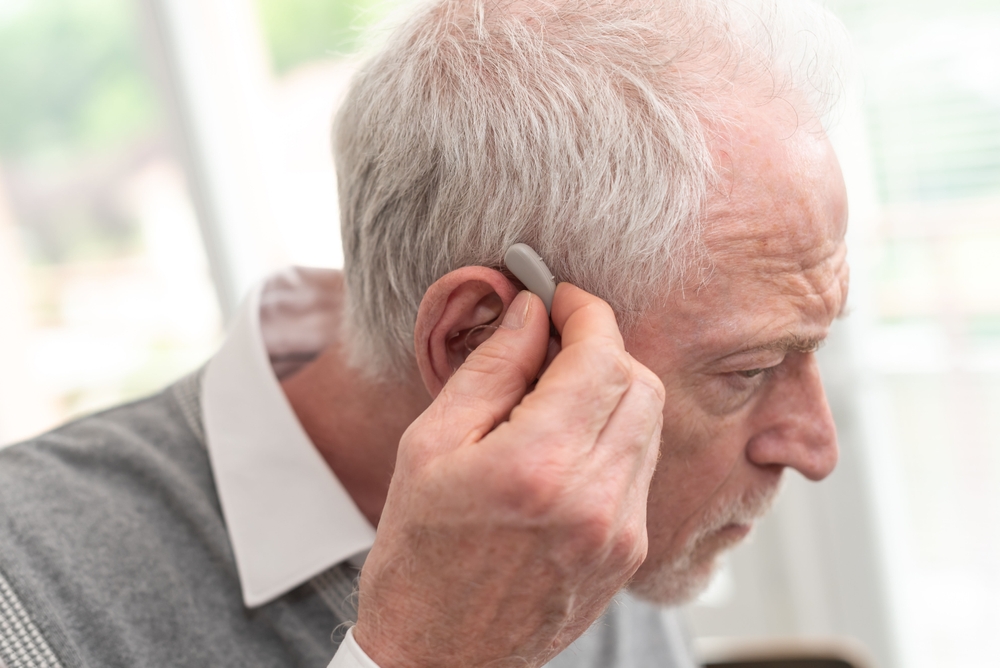
If a hearing evaluation shows permanent hearing loss that is unrelated to your sinus condition, hearing aids can improve your hearing and help you communicate more comfortably.
The first step is to identify what’s causing your hearing concerns. Once the testing is complete, the hearing care specialist can recommend the right hearing aids for your needs, lifestyle, and communication goals.
When Should You Schedule a Hearing Evaluation?
Most people recover from hearing loss and sinus issues without long-term problems. But if your symptoms linger, even if your symptoms seem mild, getting your hearing tested can help determine what is causing your issues.
Consider scheduling a hearing evaluation if:
- Your hearing remains muffled after your sinus infection improves.
- Ear pressure or fullness continues for an extended period.
- You frequently ask others to repeat themselves.
- Family members notice changes in your hearing.
- Ringing in your ears persists.
- Hearing changes begin affecting conversations, work, or hobbies.
If it’s your first ever hearing test, preparing for your appointment and knowing what to expect can help you feel more confident about the process.
How a Hearing Evaluation Can Help Identify the Cause
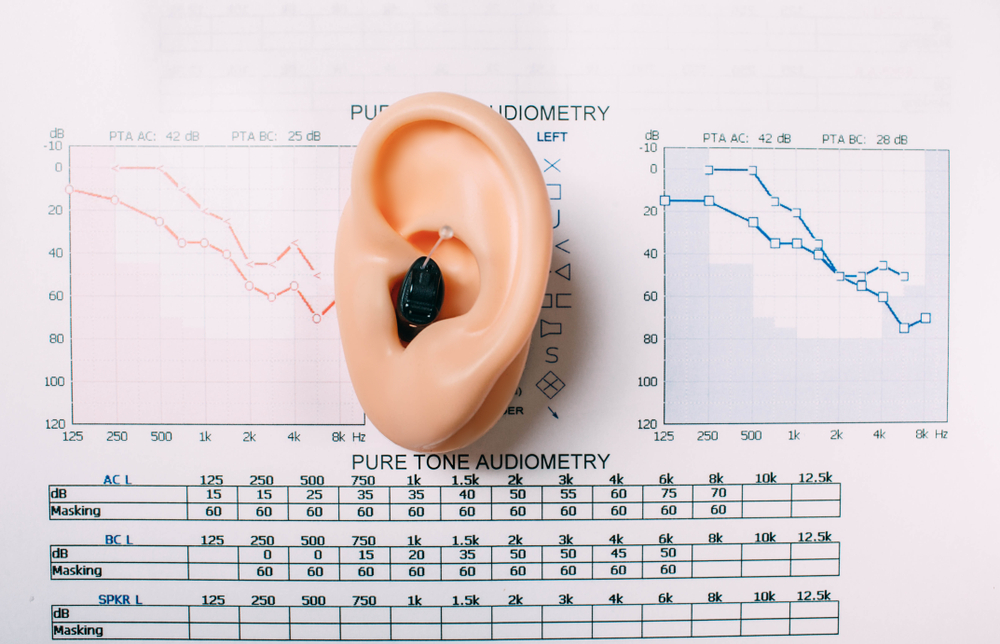
A hearing evaluation does more than measure how well you hear, it helps uncover why you’re experiencing hearing changes. During your appointment, the hearing care professional will review your symptoms, discuss your medical history, and perform comprehensive hearing testing to better understand what’s affecting your hearing. Based on the results, they can determine the type of hearing loss, explain the next steps, and recommend an evaluation with an ear, nose, and throat (ENT) doctor if appropriate.
Don’t Ignore Hearing Changes That Won’t Go Away
Recovering from a sinus infection means finally being less congested, and that includes your middle ear. If it’s been more than a week or two and sounds still seem muffled or conversations are harder to follow, don’t wait to see if it’ll go away on its own.
Our comprehensive hearing evaluation can give you answers about the hearing challenges you’re facing. Once you know what’s causing your hearing issues, you can make informed decisions about your hearing health and get the care you need so your hearing loss doesn’t have a negative impact on your daily life.