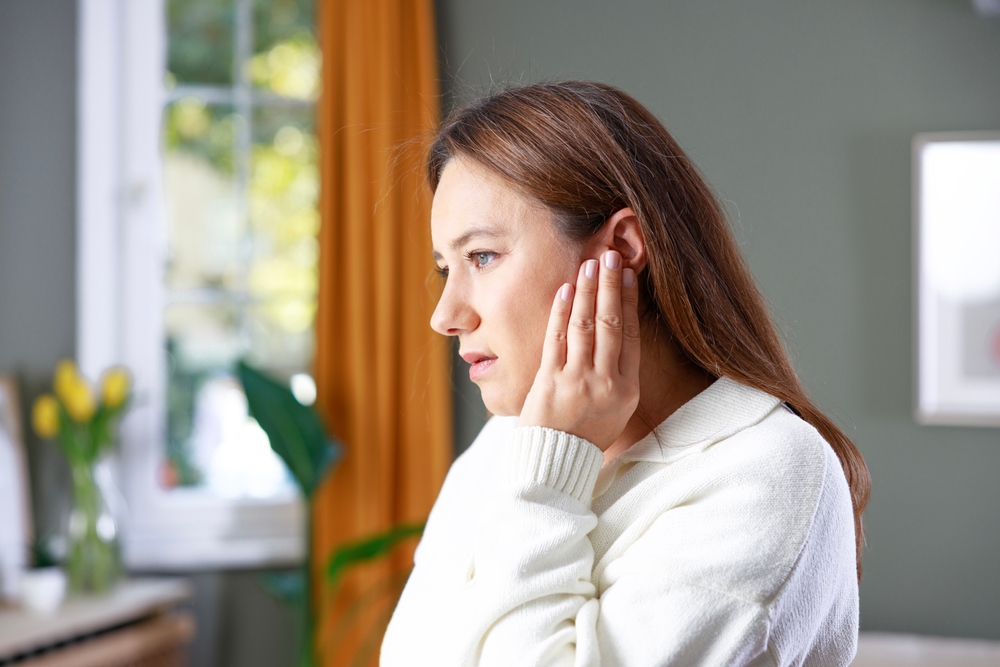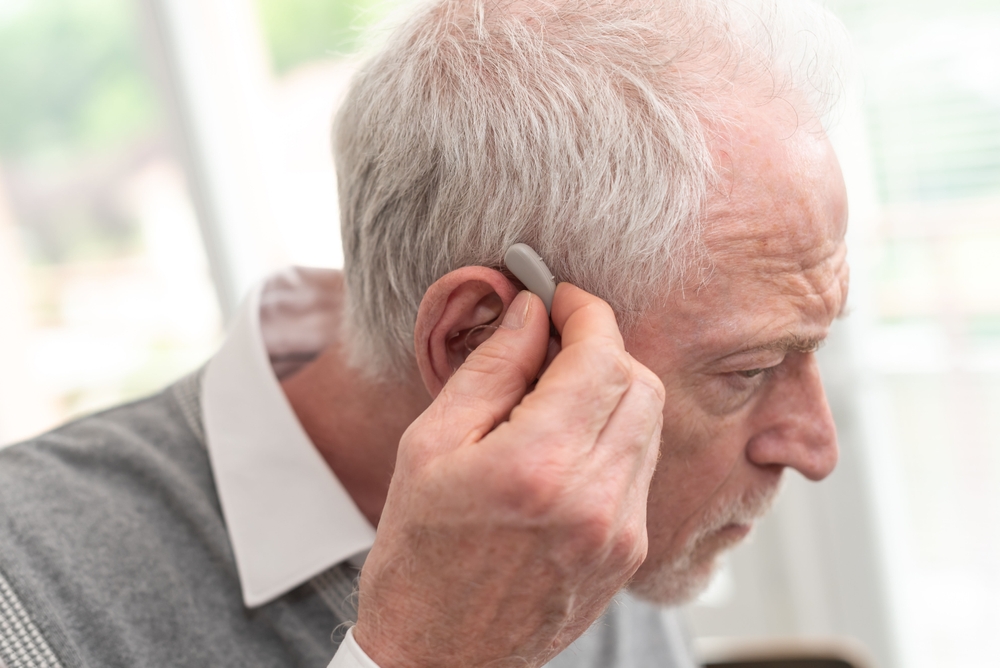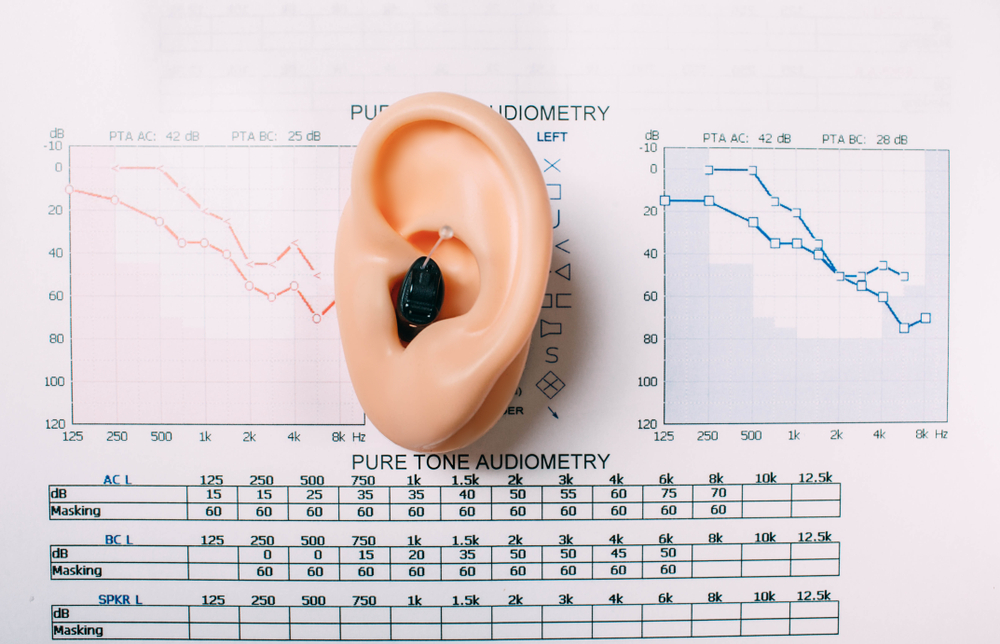
Learn about the impact of air quality on hearing health. Discover how pollution and environmental factors can affect your hearing and steps to protect it.
According to the World Health Organization, hearing impairment is the second most common non-infectious disorder worldwide and accounts for the majority of years spent disabled. Recently, scientists have associated hearing health with air quality and opened a new avenue for research to unravel the relationship. Knowing how air pollution affects our hearing will help us take better care of our auditory systems.
Understanding Air Quality
Air quality can simply be defined as the degree of purity of the air around you. This entails all indoor and outdoor pollutants, such as particulate matter, ozone, nitrogen dioxide, sulfur dioxide, and carbon monoxide, all sourced from human emissions, both residential and industrial activities and natural sources such as volcano eruptions and wildfires.
Impact of Air Pollution on Your Hearing Health
In addition to the countless health issues attributed to air pollution, researchers have shown that prolonged exposure to dirty air might also cause hearing loss. According to a National Library of Medicine report, several studies have proved a positive connection between hearing impairment and air pollution.
Findings from another study by Taiwanese scientists showed that these chemicals deprive oxygen from reaching cells of the inner ear, which are the sole delivery system from the ears to the brain. This impairs the system and progressively aggravates chronic deafness.
Protecting Ear Health in a Polluted Environment
Since hearing protection needs to be holistic, the following four strategies can help eliminate air contaminants:
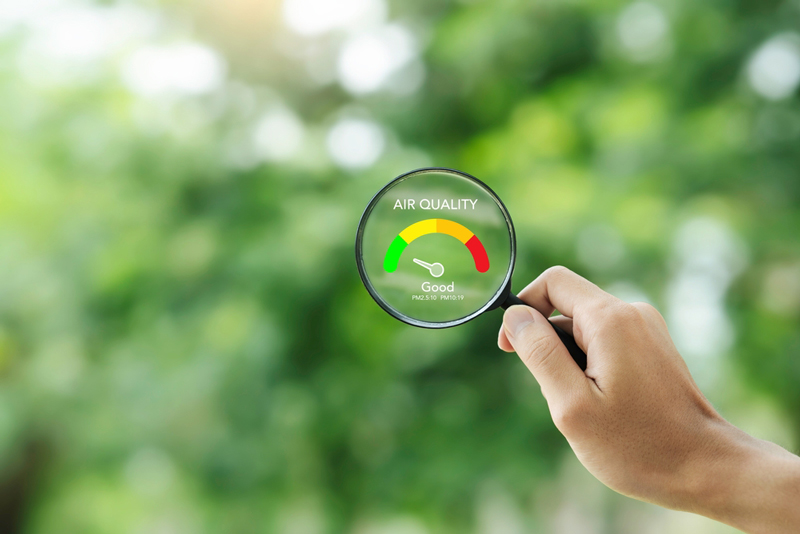
- Monitor indoor and outdoor air quality using apps that give real-time information to stay current on current conditions.
- Improve your indoor air quality with purifiers and good ventilation.
- Stay indoors on days of poor air quality.
Routine hearing tests are equally important for assessing any signs early for remediation. Regular visits to our audiologist can keep you in good hearing health, allowing you to take appropriate preventive measures.
The Role of Environmental Advocacy
Solid environmental regulations, as well as individual actions, can help ensure good air quality. Implementing policies and programs advocating for cleaner air not only benefits the cost of fitting hearing aids but also public health. Consequently, everybody can contribute to reducing the amount of pollutants they emit by using public transport and adopting cleaner energy, among other sustainable ways.
Connect With Us
The relationship between hearing health and air pollution is becoming increasingly apparent. Recognizing and minimizing the influence can preserve our hearing health altogether.
At Beltone Skoric Hearing Aid Center in Michigan, we are here to help you detect hearing loss earlier and ensure better care if you visit regularly. Your hearing health is among the most essential aspects, and you can protect it by monitoring the air you breathe or wearing hearing protection. Visit us now for your free hearing health check-up or to schedule an appointment.
References
https://iris.who.int/bitstream/handle/10665/260336/9789241550260-eng.pdf
https://pubmed.ncbi.nlm.nih.gov/37838197/