Helen Keller and hearing loss are inextricably linked because of her vast contributions to improving the lives of those who suffer from it.
Helen Keller & Her Story
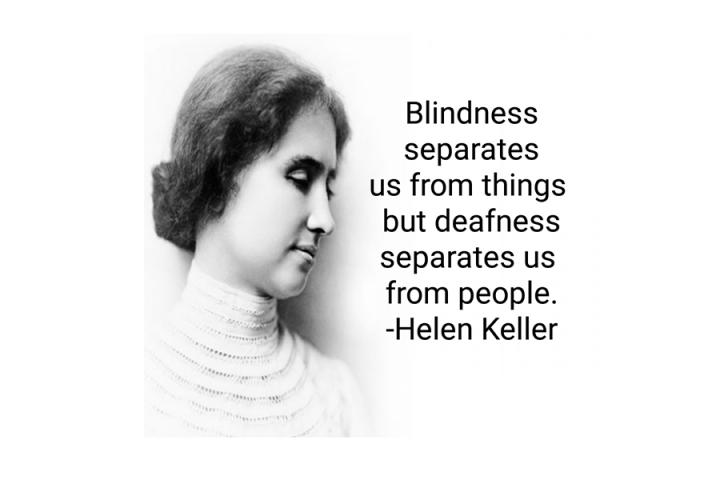
Helen Adams Keller was born in 1880. She lost both her sight and hearing, after what may have been meningitis, when she was just 19 months old. She met her lifelong teacher and companion, Anne Sullivan, in 1887. She went on to become the first deaf-blind person to earn a bachelor’s degree. She graduated from Harvard University in 1904. Helen could speak well and gave speeches describing her life. She was able to “hear” others by reading their lips with her hands. She also experience footsteps and music through vibrations and loved animals through touch. Helen Keller, an inspiration to all those who suffer from hearing and vision loss, was a scholar, a lecturer, a writer, and a political activist. Helen Keller and hearing loss are inextricably linked because of her vast contributions to improving the lives of those who suffer from it. (reference)
Hearing Is a Vital Stimulus
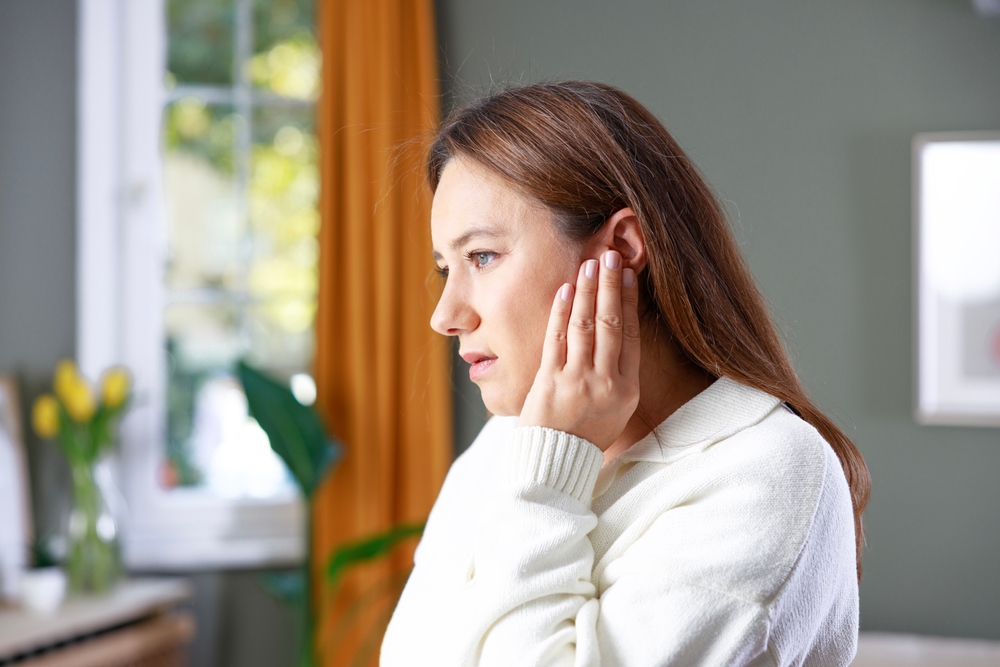
Without the ability to hear, you are not able to formulate speech. Language is a direct response to the ability to hear and translate what you hear into words. Whether the hearing loss is from birth, or occurs later in life, it will affect how you react to those around you. It would be very frustrating if you suddenly lost the ability to hear. How would you react? What cautions would you be cognizant of in the world around you?
Hearing Loss is Debilitating
The loss of hearing prevents you from communicating properly. Even with mild cases, it can be difficult to understand what is being said. Words can become garbled or misunderstood. The wrong impression could be made by not being able to discern what is being said. Hearing problems may also affect how you respond to other stimuli in the environment. The degree of loss can cause your brain to focus on comprehending sounds whilst overlooking physical dangers like bumps in the road, honking horns, or uneven floors in your home.
How To Correct Your Hearing Loss
It is unfortunate that Helen Keller lived before the advancements in hearing loss treatment. Today, there are surgical procedures that could have restored her hearing and speech therapy would have been offered to assist her in regaining the ability to enunciate words and sound.
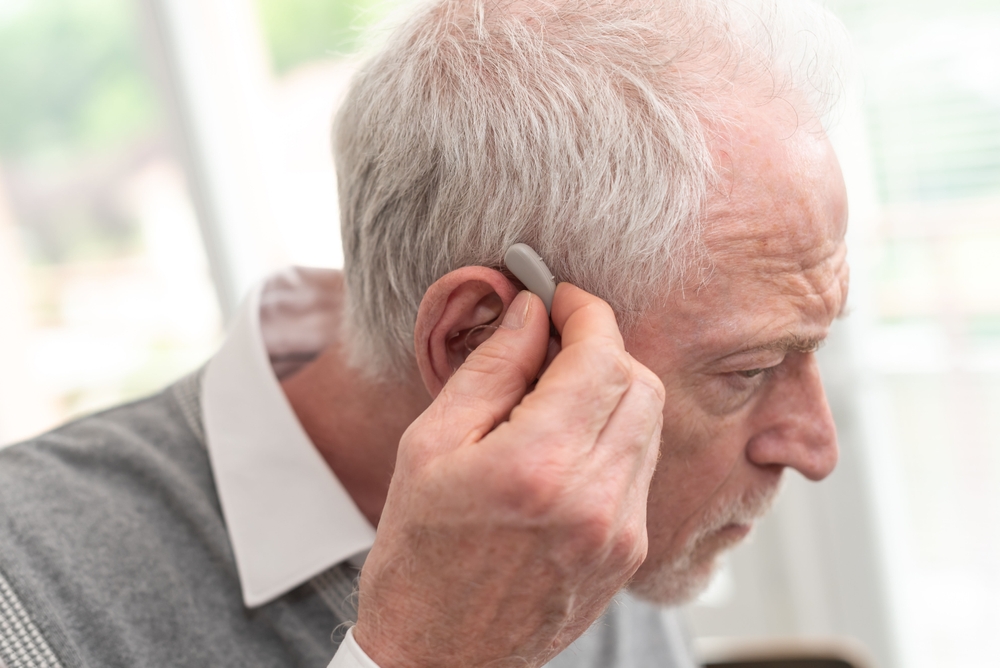
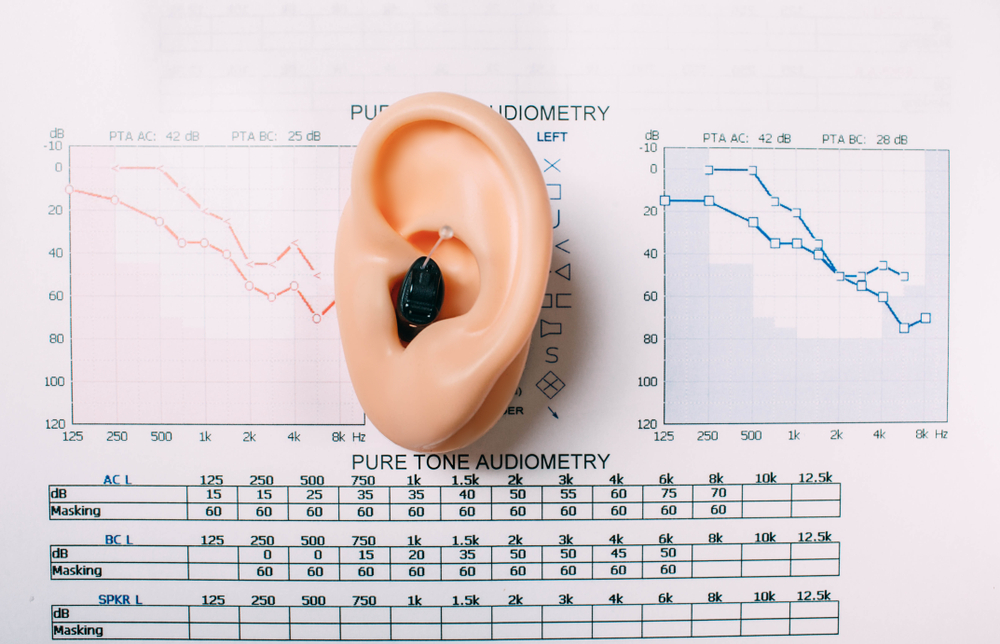
With today’s medical advancements, hearing care is readily available and most hearing issues can be treated. Depending on the severity of the loss, hearing aids are available to amplify sounds and make for a better quality of life. Hearing aids come in all types, colors and even connect with technologies such as smart phones and televisions.
Although Ms. Keller was born at a time in history when there was no medical treatment for her deafness, you live in an age when advancements and improvements in hearing care are being made on a daily basis. The loss of hearing can now be treated regardless of the severity of the loss. Reach out to a hearing specialist at Beltone Skoric Hearing Aid Center if you are having difficulty hearing properly. You will be glad you did.