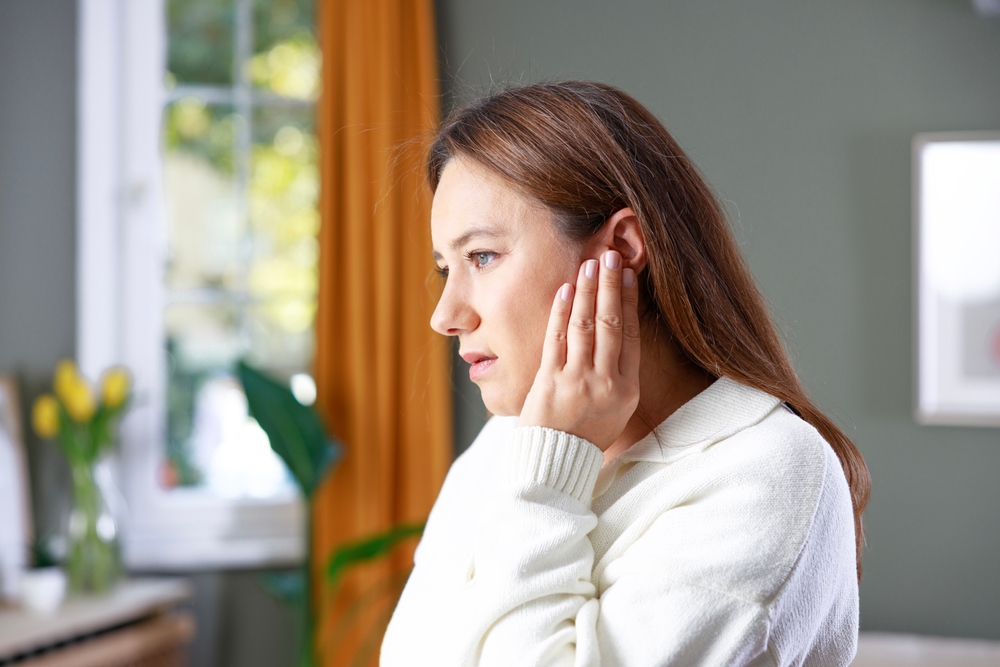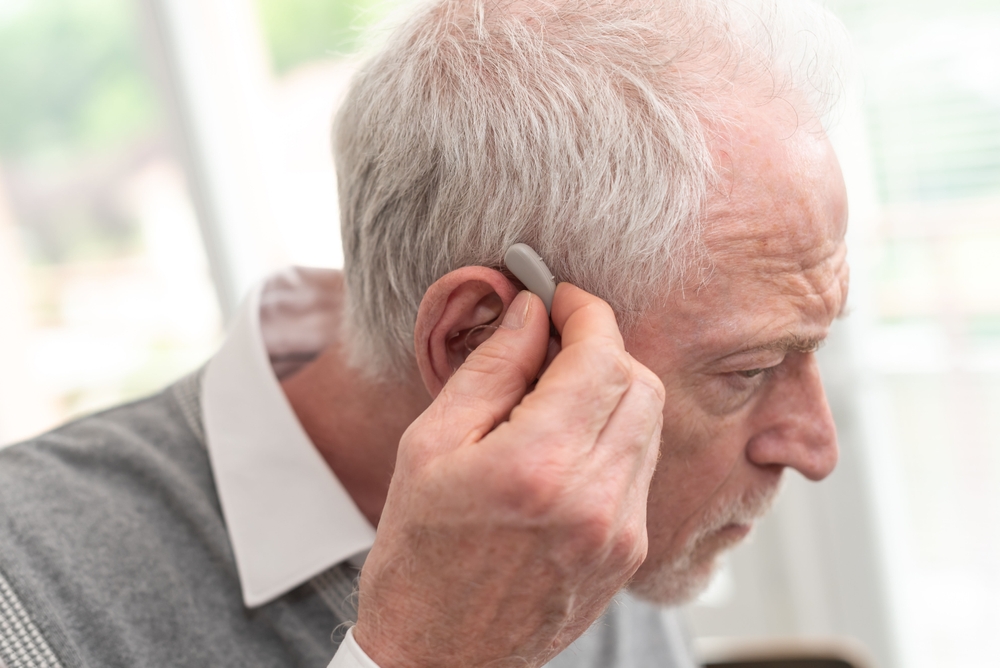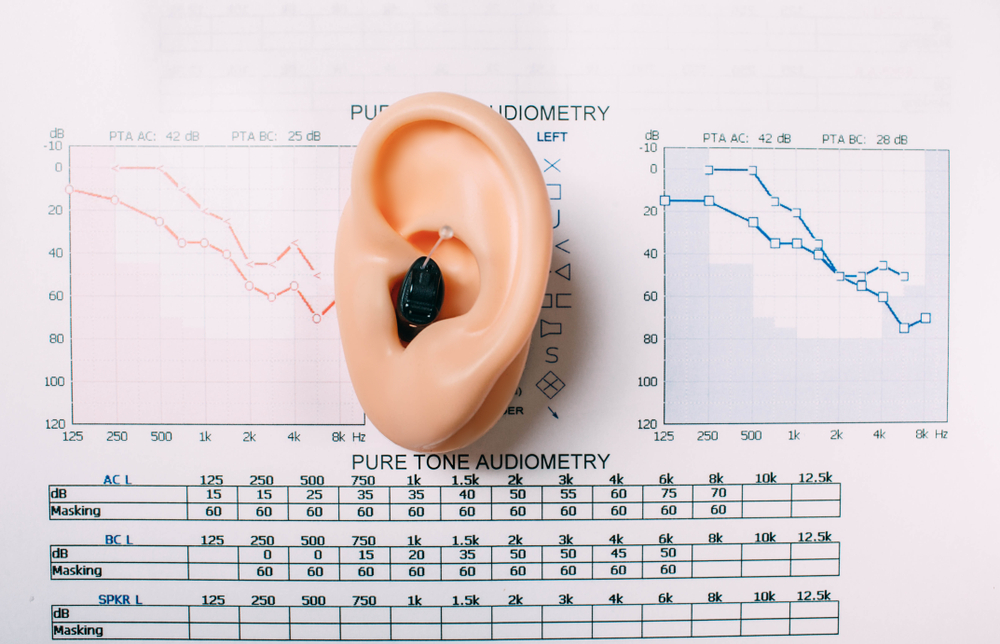

Hearing loss is a condition that can significantly lower your quality of life and increase withdrawal from society. In fact, without proper management, hearing loss can lower your self-esteem to the extent that you avoid social gatherings.
Hearing loss is a condition that can significantly lower your quality of life and increase withdrawal from society. In fact, without proper management, hearing loss can lower your self-esteem to the extent that you avoid social gatherings. This is because communicating with others becomes difficult. You have to strain your brain to listen to what another person says or read a person’s lips because you are too afraid to keep asking the person to repeat what he says. You also disconnect from your family because you cannot communicate effectively with them as well. Hearing aids have revolutionized living with hearing loss. They improve living with hearing loss because they enable better communication. You no longer have to get fatigued in social gatherings from trying to read lips and fill in the gaps of what you don’t hear or understand. They improve hearing and enable you to regain your everyday life at home and work.
5 Facts About Hearing Aids
1. They cannot return to normal hearing.
Hearing aids are not a remedy for hearing loss. Regardless of the degree of your hearing loss, hearing aids cannot restore hearing. Hearing aids enable better hearing to make communication effortless. As such, you must wear them daily for your entire life. Failure to wear these aids makes you face similar challenges you faced before you started wearing them.
2. They improve life quality.
Hearing aids improve hearing and, therefore, enable you to communicate better. You can restore connections previously lost with your family, friends, and work colleagues. You no longer need a lot of energy to focus on one specific sound or struggle with the conversations you have.
3. They boost your confidence.
With hearing aids, you will no longer have to worry about mingling in social gatherings. You do not need to withdraw from the crowd just because you fear you cannot hear them. You will have the confidence to interact with as many people as possible in gatherings because you can listen to every word they say. As such, your self-confidence improves, and you feel part of the crowd.
4. They are for everybody.
People often assume that hearing aids are for older adults because they comprise most people with hearing aids. However, hearing loss is seen in people of all ages, not just older adults. People who have hearing loss can range from children to young adults to older adults above 65 years. As such, all these people need to wear hearing loss to benefit from them.
5. They have connectivity.
Hearing aids enable connectivity with smart home devices like televisions, smartphones, and stereo systems. You can now transmit sound from these devices to the aids using either a streamer clipped to your collar or a wireless connection. At Beltone Skoric Hearing Aid Center, we provide our clients with all they need to know about living with hearing aids and the benefits they provide. If you have hearing loss and need information about their use and functionality, contact our offices, and we can help.