
Being able to communicate effectively is a vital part of navigating day-to-day life, including the workplace. Collaborating with coworkers, participating in meetings, or interacting with clients requires effective communication strategies.
Being able to communicate effectively is a vital part of navigating day-to-day life, including the workplace. Collaborating with coworkers, participating in meetings, or interacting with clients requires effective communication strategies. For people with hearing loss, these moments can be a source of stress and negatively impact productivity.
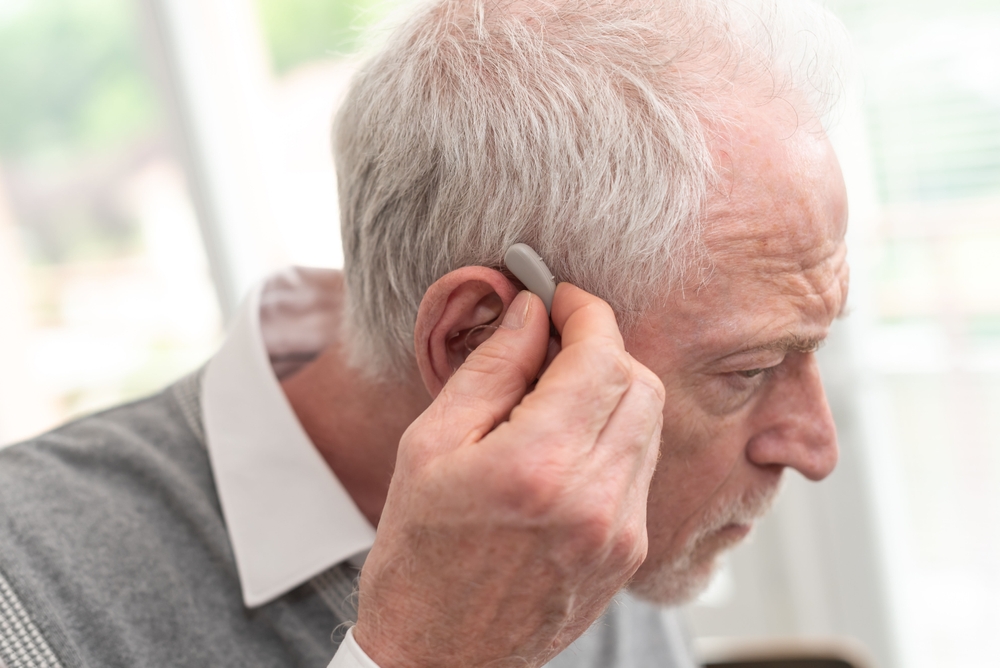
If you wear hearing aids at work, they can be a helpful tool in a workplace environment that is usually filled with background noise and fast-paced conversations. Maximizing your tools and resources will make your workday more manageable.
Communication Challenges for Employees with Hearing Loss
If you’re in an office setting, there are some common difficulties hearing loss might bring. It may be harder for you to understand people in group meetings where multiple people are talking over each other. Similarly, you may not catch subtle communication cues, like tone. If you work from home, you may struggle to understand people during video calls. All of these hurdles might make you less likely to participate in workplace discussions.
How Hearing Aids Improve Workplace Communication
The hearing aids available today offer several features that make communicating at work easier, which helps you stay focused and engaged. These features include:
- Advanced noise reduction that enables you to focus on voices in busy office environments.
- Bluetooth and wireless connectivity that connects directly to phones, computers, or meeting systems.
- Directional microphones that enhance clarity by focusing on the speaker.
- Discreet designs that are comfortable enough for all-day use.
Four Practical Communication Tips for the Workplace
Another way to improve your experience navigating the workplace with hearing loss is to incorporate certain communication habits to make interacting with your coworkers easier.
Some tips for improving workplace communication:
- Be open with colleagues and supervisors about your hearing needs.
- Ask for written follow-ups after meetings or presentations.
- Use captions during any video meetings.
- Position yourself strategically to see speakers clearly.
Other Tools You Can Use
There are various hearing aid accessories that can be used in conjunction with your hearing aids to make communicating at work smoother and less stressful.
Here are some tools to give you extra support:
- Speech-to-text apps to provide improved clarity during calls.
- Assistive listening devices that pair with hearing aids for added volume or clarity.
- Bluetooth connectivity with computers or conference systems for direct streaming in meetings.
It’s also important for you to know your rights in the workplace, and your employer can provide certain accommodations under the ADA.
Achieve Better Communication at Work with Beltone Skoric
Thriving in the workplace isn’t just about having the proper hearing aids. It’s about being confident in your ability to communicate and knowing you have a team invested in your long-term hearing health. Regular hearing care is essential for monitoring your hearing for any changes and keeping your hearing aids performing their best. Routine checkups help ensure you’re hearing clearly as your work environment evolves.
The team at Beltone Skoric is here to make that process simple, from custom hearing aids and personalized adjustments to follow-up care tailored to your hearing needs. Our goal is to equip you with the confidence you need to succeed at work and beyond.
If you’re ready to get more out of your devices and stop letting hearing loss affect your work life, schedule a consultation with our team. We’re here to support you every step of the way.