For many with acoustic neuroma, a standard analog hearing aid can be enough to boost sounds and allow them to reconnect with the world around them.
Acoustic neuroma is generally a non-invasive tumor that grows on the vestibular nerve that connects your ear to your brain. It is also referred to as vestibular schwannoma. While it is a relatively rare condition, this tumor growth can impact your ability to hear, cause balance problems, and cause tinnitus. It can also lead to numbness in the face as it presses on other nerves.
As a general rule, these tumors are not invasively large. Monitoring the growth and focusing on overcoming the symptoms, including exercises to improve balance and hearing aids to boost the sound the ear can pick up, maybe enough to enable the client to manage the condition.
Types of Hearing Aids to Manage Acoustic Neuroma
For many with acoustic neuroma, a standard analog hearing aid can be enough to boost sounds and allow them to reconnect with the world around them. If the general amplification allowed by the analog hearing aid is too much data, a digital hearing aid may be a better choice.
While analog hearing aids are less complicated, digital hearing aids allow for more programming. In quiet settings, the user can alter the amount of amplification, while noisier settings can also be customized by the user.
Hearing Aid Placement
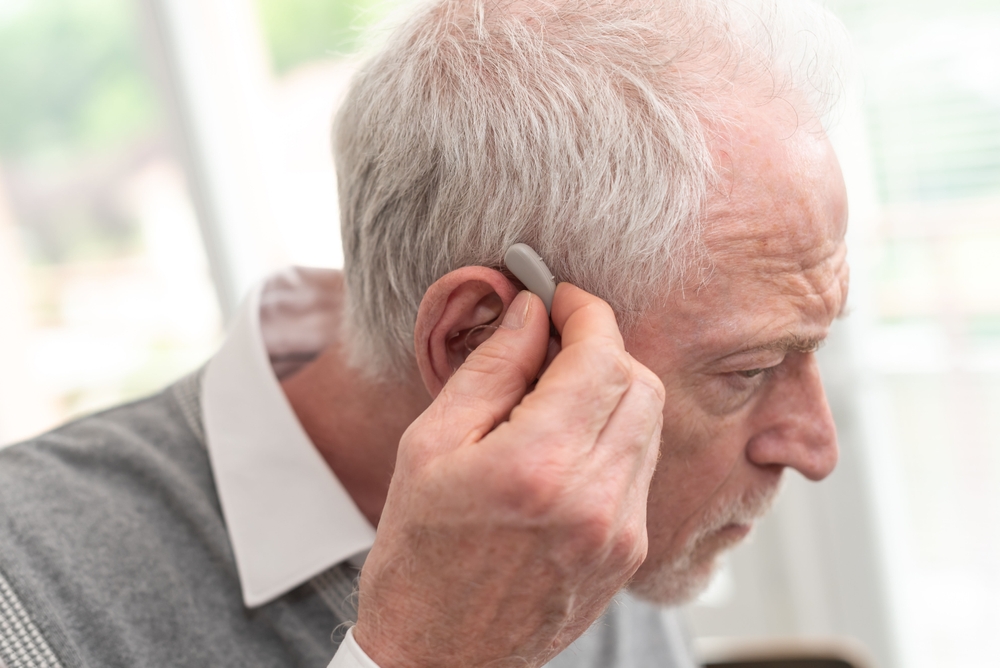
The Behind-the-Ear, or BTE, hearing aid design features a fitted amplification plug or tube that fits in the ear canal and a looped controller with a battery that fits behind the ear. The more severe the hearing loss, the more fitted the actual amplification tool must be to deliver the increased sound.
For many users with small acoustic neuroma growths, a soft plug or tube placement can be enough to deliver the necessary amplification. However, if the acoustic neuroma or other types of hearing loss is impacting the ability to gather and process sound, a larger or harder plug may be necessary.
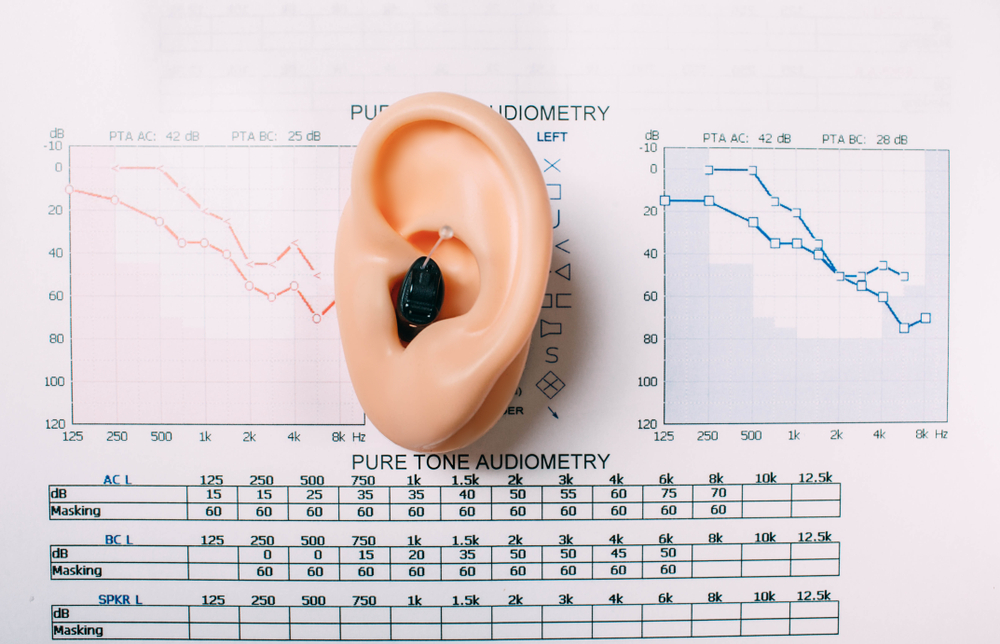
Full In-the-Ear, or ITE, hearing aid designs can work well for some acoustic neuroma clients. One of the challenges with the ITE design is that it doesn’t offer as much battery power as an OTE design. For those with severe hearing loss, these may not be as effective. Additionally, the small design can be challenging for anyone with limited dexterity.
Contact Us Today
If you have an acoustic neuroma, there are several types of hearing aids to choose from. For more information about how our Beltone hearing aids can help, contact a specialist at Beltone Skoric Hearing Aid Center.