
Most people know tinnitus as the term for hearing ringing in your ears, but it can take different forms and patterns. You might experience ringing or pounding that lingers or returns throughout the day, or you might get these brief, unexpected changes in one ear only. But what does a sudden ringing in one ear mean?
What causes Sudden Brief Unilateral Tapering Tinnitus (SBUTT) remains a little bit of a mystery but there has been more research about what may contribute to it. Knowing what distinguishes it from other forms of tinnitus and when to seek medical attention can help you take better care of your hearing.
What Is Sudden Brief Unilateral Tapering Tinnitus?
Tinnitus is the perception of sound when there is no external source. Sudden Brief Unilateral Tapering Tinnitus, or SBUTT, is the term used to describe a brief episode of tinnitus that occurs in one ear and gradually fades away, sometimes in less than a minute. It’s also known as fleeting tinnitus.
Each part of the name describes a part of what this type of tinnitus feels like:
- Sudden: The sound begins unexpectedly, without an obvious external source.
- Brief: The episode typically lasts only a short time, often seconds.
- Unilateral: The sound is perceived in one ear during the episode.
- Tapering: The sound gradually decreases in intensity before disappearing.
What Does SBUTT Feel Like?
SBUTT is often described as hearing a sudden, high-pitched tone in one ear. The sound is typically sharp or intense at first, then gradually fades until it is no longer noticeable. You might also feel temporary fullness or pressure in the affected ear. However, not everyone experiences this sensation, and it can sound different from person to person.
What Causes Sudden Brief Unilateral Tapering Tinnitus?
The exact causes of SBUTT are not fully known. Researchers have explored possible explanations for why a person may suddenly hear a brief tone in one ear, but no single cause has been identified. However, it is important to distinguish between possible explanations for fleeting tinnitus and the broader range of conditions that can cause a general feeling of ringing and fullness in your ears.
Temporary Changes in Auditory Activity
Your hearing system includes your inner ear, auditory nerve, and brain areas that process sound. When there is a change in how your brain interprets sound or in the amount or volume of sound, it can cause your brain to misinterpret certain signals as sounds, leading to these brief ringing episodes.
Possible Connections to Jaw and Muscle Activity
Some studies suggest a possible connection between certain jaw-muscle trigger points and SBUTT. There is evidence to support that some instances of sudden brief unilateral tapering tinnitus are caused by damage or trauma to your lateral pterygoid muscle, which is a two-headed muscle in your skull used for chewing. It helps your lower jaw drop so you can open your mouth.
When Should You Be Concerned About a Brief Ringing in Your Ears?
Experiencing a brief ringing sound that disappears quickly is not necessarily a sign of a serious hearing problem. An isolated episode doesn’t automatically mean you have hearing loss or an underlying ear condition. However, you should pay attention to whether the episodes become more frequent, last longer, or occur alongside other symptoms.
You might need to schedule a hearing evaluation or doctor’s appointment if you notice:
- Ringing that lasts instead of fading away.
- Recurring or worsening episodes.
- A change in hearing in one ear.
- A persistent feeling of fullness or pressure.
- Increased dizziness or frequent vertigo episodes.
A brief ringing episode is different from a sudden reduction in hearing. Sudden sensorineural hearing loss is a type of hearing damage that can develop quickly and often affects just one ear. This can happen alongside other symptoms that might mirror SBUTT.
If you experience a sudden decrease in hearing and it doesn’t resolve quickly, you should seek immediate medical help instead of waiting for a routine hearing appointment. Especially if you experience it alongside facial weakness, severe dizziness, or other neurological symptoms.
How Is Sudden Brief Unilateral Tapering Tinnitus Evaluated and Treated?
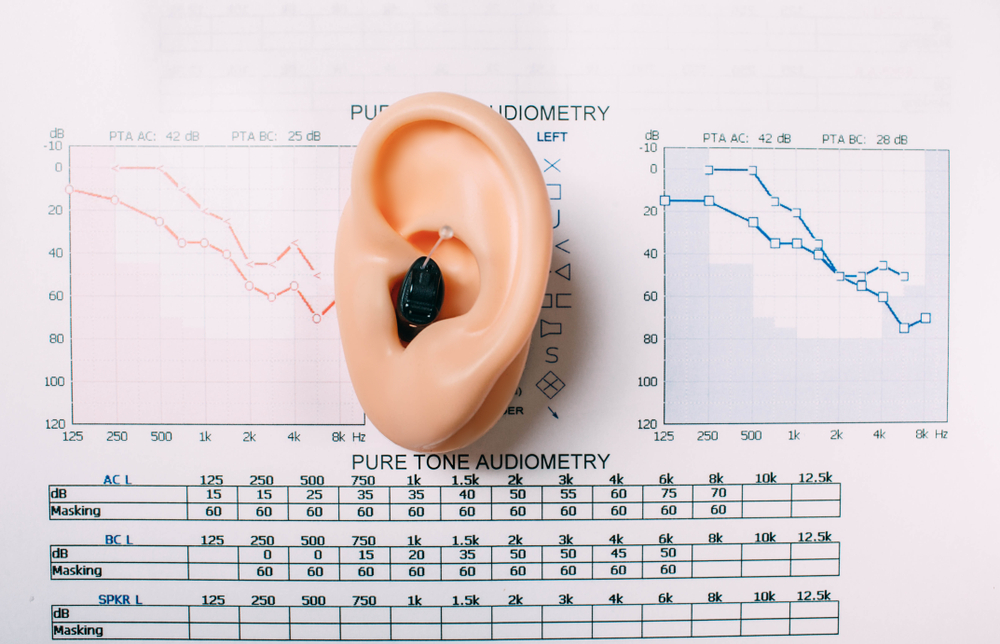
When a brief tinnitus episode fades on its own, and there are no other concerning symptoms, you might not need treatment. However, if you experience recurring ringing in one ear, a hearing evaluation can help determine how your hearing is affected and what treatment is appropriate, whether that’s hearing aids, tinnitus management strategies, or continued monitoring.
If your audiogram results uncover an ear condition or another treatable medical issue, managing your tinnitus will depend on what’s causing it. There is no specific exercise, medication, or home remedy that can prevent SBUTT, so if you notice a change in your symptoms or if the ringing becomes persistent or is accompanied by hearing changes, seek professional guidance from a hearing care specialist or audiologist rather than relying on an unproven remedy.
Understanding Brief Ringing in One Ear
The exact causes of SBUTT remain uncertain, and the experience can vary from person to person. Paying attention to how often it happens, how long it lasts, and whether other symptoms occur alongside it can help you determine if it’s a one-off experience or if you should schedule a hearing evaluation to get to the bottom of your tinnitus.
You can schedule an appointment at any of our Michigan hearing aid centers for a comprehensive hearing evaluation that can help you figure out what’s going on with your hearing, whether it’s SBUTT-related or not. Our team is here to help with all of your hearing care needs.