Learn about unilateral hearing loss and how it differs from bilateral hearing loss. Discover its causes and explore your options for managing it.
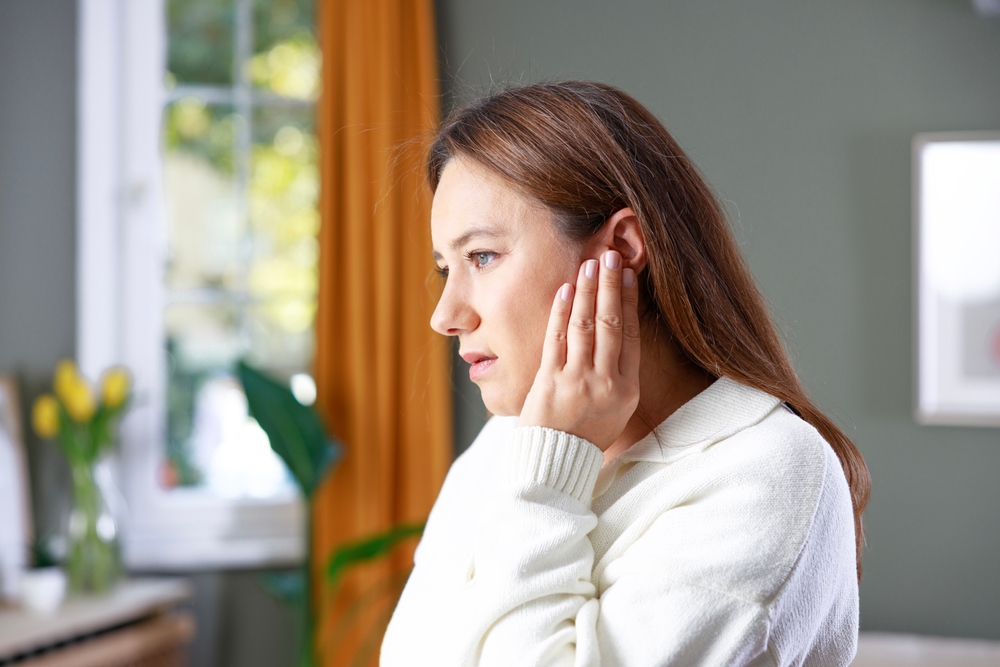
Hearing loss doesn’t always affect both ears. Many people experience unilateral hearing loss, which means they only lose hearing in one ear. Although it may appear less severe than hearing loss in both ears, one-sided hearing loss can create challenges in everyday life.
What is Unilateral Hearing Loss?
Unilateral hearing loss refers to a reduced or total loss of hearing in one ear. This is different from bilateral hearing loss, which affects both ears. One-sided hearing loss can vary from mild to profound, and it can make day-to-day tasks more difficult than you might expect.
Simple tasks like following a conversation in a busy restaurant can become frustrating. It can also be hard to tell where a sound is coming from.
What Makes Unilateral Hearing Loss Different Than Bilateral
Hearing loss can be challenging. However, unilateral hearing loss has different factors and symptoms from bilateral hearing loss, much like low-frequency hearing loss has its own distinct pattern worth understanding.
Sound Localization
Our brains rely on signals from both ears to pinpoint direction. With unilateral hearing loss, this ability is reduced, making it harder to know where sounds are coming from.
Increased Trouble Understanding Speech
Your natural ability to filter out background noise is diminished in people with hearing loss in one ear. With UHL, you’re getting asymmetrical sound, making conversations, especially in groups or loud places, more difficult to follow.
Listening Fatigue
People with unilateral hearing loss often experience listening fatigue because they’re constantly compensating with their “good” ear. Over time, this increased strain can lead to frustration, social avoidance, or even anxiety about interacting with others.
Balance and Spatial Awareness
The inner ear not only helps with hearing but also plays a role in maintaining balance. When one ear is not working well, it can affect your spatial awareness. This may cause dizziness or a feeling of being off balance. These issues are less common with balanced hearing loss in both ears.
Common Causes of Unilateral Hearing Loss
- Ear infections
- Chronic middle ear issues
- Head trauma
- Exposure to loud noises
- Sudden sensorineural hearing loss (SSHL)
- Age-related hearing loss in one ear
- Non-cancerous tumors on the auditory nerve
- Genetic factors or hereditary conditions
- Medical issues like diabetes, autoimmune diseases, or high blood pressure
Treatment and Management Options for UHL
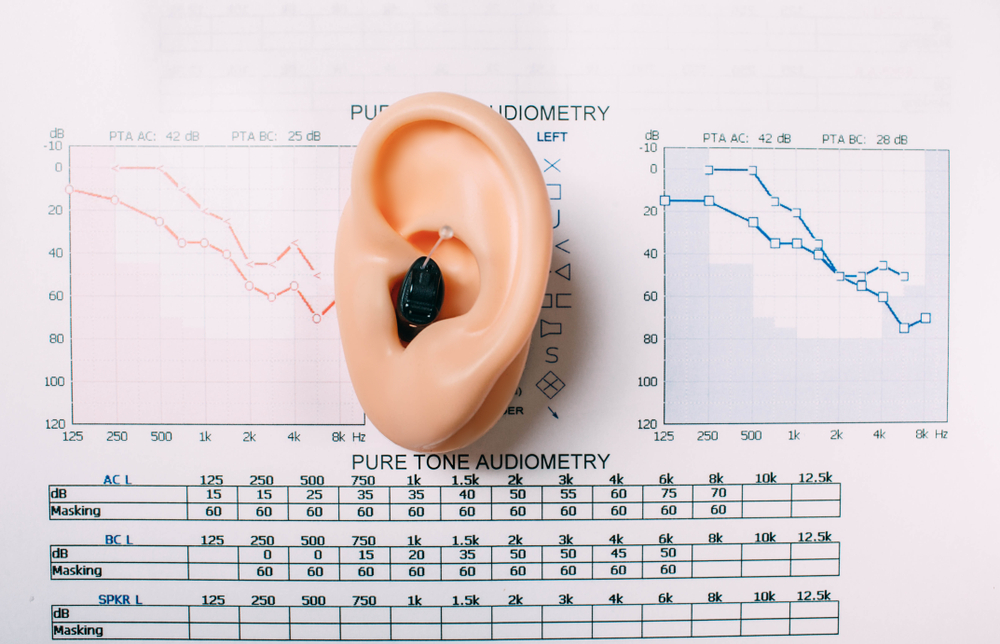
Treating unilateral hearing loss starts with a complete hearing test, which can determine the cause and nature of your hearing loss. Depending on the results, several treatment options are available.
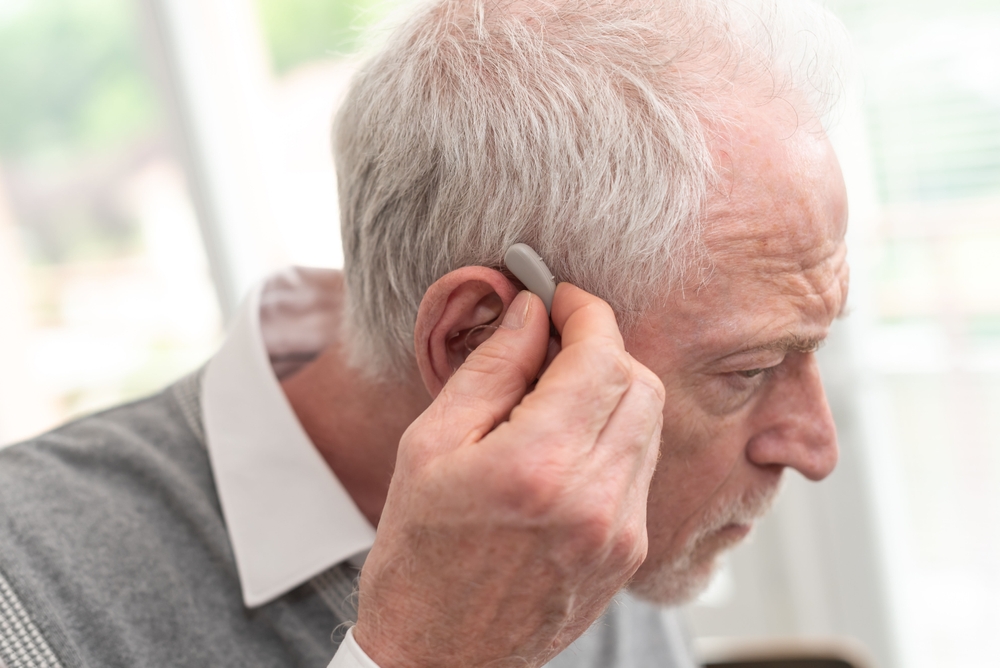
- Hearing aids tailored for one-sided hearing loss
- Medical treatments to address chronic infections or other health issues
- Cochlear implants for severe cases
- Assistive listening devices to improve communication
- Communication strategies to adapt and thrive
Acting quickly when you notice hearing loss in one ear can lead to better outcomes and prevent further complications.
Take the Next Step Toward Better Hearing with Beltone Skoric
If you’re experiencing unilateral hearing loss, don’t wait. We’re committed to helping you navigate your hearing health with personalized care and advanced solutions.
Contact Beltone Skoric today to schedule a hearing evaluation at any of our Michigan hearing care centers and take the first step toward improved hearing.