
Blog

Pulsatile Tinnitus

Tinnitus and Pulsatile Tinnitus: What’s the Difference?

Understand the difference between tinnitus and pulsatile tinnitus. Learn about symptoms, causes, and treatments to manage your condition effectively.

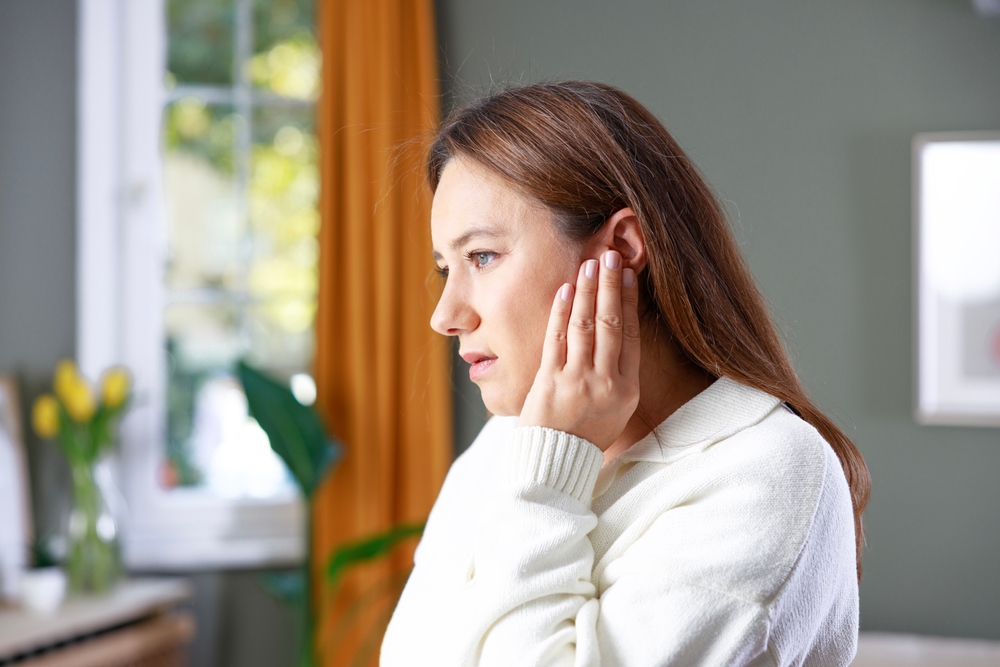
Tinnitus occurs when an individual hears a sound that others cannot hear, and it is not coming from any external source. Pulsatile tinnitus occurs when a person hears loud or soft noises in sync with their heartbeat. It’s important to note that pulsatile tinnitus is not a standalone condition but often a symptom of vascular disease.

Understanding Pulsatile Tinnitus

Pulsatile tinnitus is uncommon but can significantly impact quality of life. It’s important to distinguish it from regular tinnitus. Regular tinnitus involves hearing constant, ringing sounds, while pulsatile tinnitus is characterized by a rhythmic noise in both ears, often described as thumping, clicking, crackling, or whooshing.

The symptoms of pulsatile tinnitus can be quite bothersome. For some individuals, they can even be debilitating and impact sleep or concentration. It’s not unusual for people to hear their heartbeat when exercising or when their heart is beating rapidly. However, those with pulsatile tinnitus hear the sounds even when they have not been exerting themselves. The sounds often worsen when the person is lying down or when the head is turned to the side.

Causes of Pulsatile Tinnitus

There are several causes of pulsatile tinnitus, such as:

  • Vascular issues, such as malformations
  • Tumors
  • High blood pressure
  • Earwax buildup

Other less common causes include:

Diagnosing Pulsatile Tinnitus

If you suspect that you have pulsatile tinnitus, it’s important to seek medical treatment promptly. Your doctor will ask about your medical history and examine your head and neck. They will also check for signs of increased pressure in the brain by examining your eyes. Various imaging procedures, such as a computerized tomography (CT) scan, magnetic resonance angiography (MRA), or an ultrasound, may be used to diagnose pulsatile tinnitus.

The Importance of Seeking Medical Advice

It is important to seek medical advice when symptoms are first present so that a doctor familiar with pulsatile tinnitus can determine the cause. Pulsatile tinnitus can often be the first sign of a more serious condition.

Treatment Options

If pulsatile tinnitus is diagnosed, a physician will provide appropriate treatment options.

Lifestyle changes and home remedies, such as using a white noise machine, can be helpful. The sound of an air conditioner or fan may also provide relief. Additionally, a doctor may recommend relaxation techniques, meditation, or cognitive behavioral therapy.

In some cases, medical treatments such as neurological surgery may be necessary.

Contact Beltone Skoric Hearing Aid Center

Patients should seek medical advice at the first sign of possible pulsatile tinnitus, as it can signal something more serious. Although it may seem difficult, the symptoms are manageable, and a doctor will advise patients on the best course of treatment. Regular check-ups are vital for the overall health and management of pulsatile tinnitus.

If you are experiencing pulsatile tinnitus symptoms, help is available. Contact the specialists at Beltone Skoric Hearing Aid Center for professional advice.

Contact Us

Schedule Your Appointment Today: (888) 417-2130

Recent Posts

Are Noise-Canceling Headphones Bad for Your Ears?

If you regularly use headphones at work, while traveling, or during workouts, you have probably wondered whether using noise-cancelling headphones is bad for your ears. Given the amount of conflicting information available, it’s not

Behind-the-Ear vs. In-The-Ear Hearing Aids: Which Is Right for You?

Choosing the right hearing aid style significantly impacts the sound quality you get and how well you can communicate with hearing loss. When comparing behind-the-ear and in-the-ear hearing aids, it’s important to understand how

How Heart and Vascular Health Affects Your Hearing

Your heart health may be affecting your hearing. Learn how blood flow influences hearing and when to schedule a hearing test at Beltone Skoric.

Hearing Aid Features Explained: Which Ones are Right For You?

Learn about key hearing aid features, from sound processing to Bluetooth and tinnitus management, and discover how to choose the right hearing aid technology for your lifestyle.