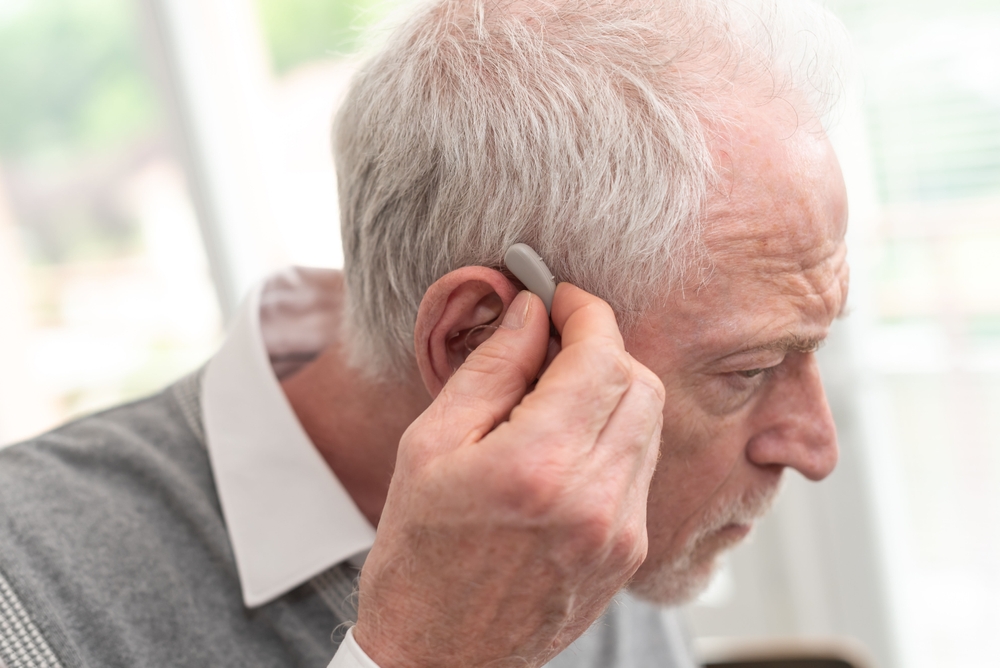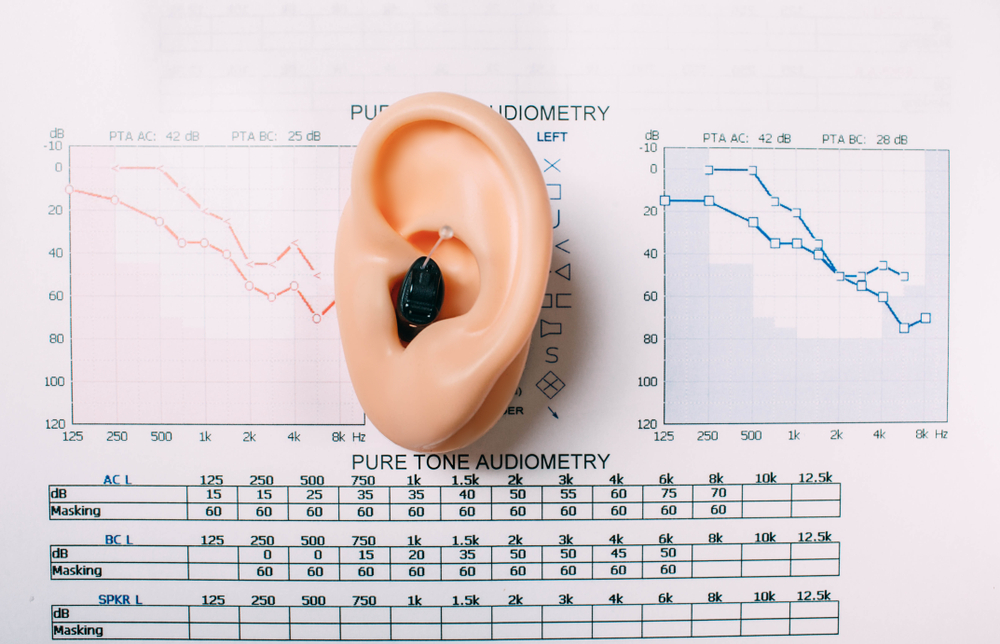

Learn how to safely and effectively remove objects lodged in your ear to avoid serious injury and protect your hearing health.
Life is full of little adventures, some of which may not be of our choosing. One such precarious scenario arises when a foreign object finds its way into the ear. Whether it’s a toddler’s toy or a DIY project gone awry, knowing how to deal with objects in the ear can be crucial. This guide is your reference if you or someone you know find themselves in this literal tight spot.
The Panic of Objects In the Ear
Imagine you’re at home. Your child runs towards you with a look of panic, saying they’ve put a small object into their ear. It can be distressing, but immediate and calm action is your best recourse. Calmness helps you retrieve the object and ensure the safety and comfort of the patient. Most foreign bodies in the ear are not immediately harmful. But certain objects and actions can lead to complications. These can include damage to the ear canal or eardrum, hearing loss, and higher risk of infection.
First Aid: Cautious Steps to Remove the Object
Should the situation arise, follow these steps with precision. Never attempt any procedure without being sure of its safety.
Step 1: Remain Calm and Assess the Situation
It’s vital to remain composed. This demeanor will ease the victim’s anxiety and help you think. Assess whether the person is in any pain or if there’s any bleeding or discharge. In the absence of these symptoms, reassurance and a comforting touch can go a long way.
Step 2: Do Not Use Instruments Inside the Ear
Don’t use tweezers, cotton swabs, or any other tool to try and retrieve the object. This increases the risk of pushing the object further in or puncturing the eardrum. It also increases the chances of injuring the sensitive structures of the ear.
Step 3: Tilt the Head
Encourage the person with the object in their ear to tilt their head to the side of the affected ear. This can sometimes allow gravity to play its part and the object to fall out.
Step 4: Shake the Head
For larger objects that are visible or ones that don’t appear to be too far into the ear canal, shake the head. This action can dislodge the object. But, you must be very gentle and proceed with caution. Vigorous shaking can cause serious harm.
Step 5: Seek Medical Help
If the object remains in the ear despite your efforts, seek professional help. A doctor will have the expertise and tools necessary to extract the foreign body. They ensure that there is no damage to your hearing.
Preventive Measures to Avoid Future Incidents
- Consistent ear hygiene and safe practices can reduce the chances of such incidents.
- Teach children about the danger of inserting objects into their ears.
- Avoid using cotton swabs or other objects for inner ear cleaning.
- Keep small objects out of reach from young children and pets.
- If you or your child are prone to ear issues, consider vigilant ear care and regular check-ups.
When to Seek Professional Help
- The following signs demand immediate medical attention:
- Severe pain or bleeding from the ear
- Oozing of clear fluid or pus
Symptoms of Hearing Loss
- Spinning sensations (vertigo) or difficulty with balance
- Nausea or vomiting that can’t be due to another cause
- An object stuck too deep for you to see or remove on your own
- An insect in the ear
Be mindful of these signals. Get medical care as soon as these symptoms manifest.
Contact Us
In times of crisis, a composed approach is as invaluable as any set of instructions. Once you remove the object from your ear, you still need a medical examination. This helps safeguard your long-term ear health and well-being. It’s important to understand the gravity of foreign objects in the ear and take the right steps. If you have an object stuck in your ear, contact us. We can help remove the object and ensure your hearing is still intact.