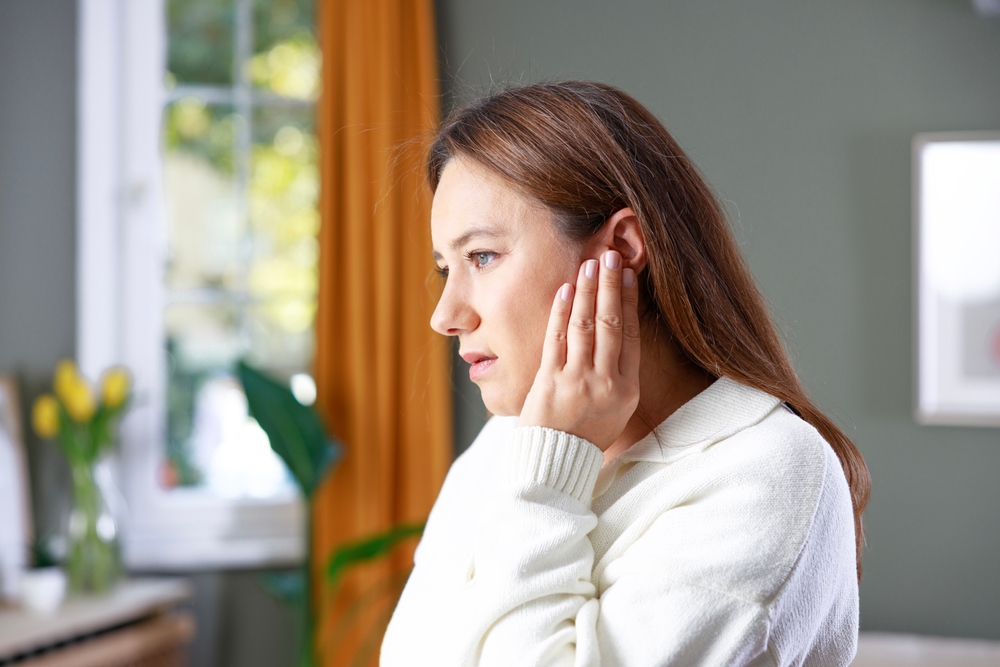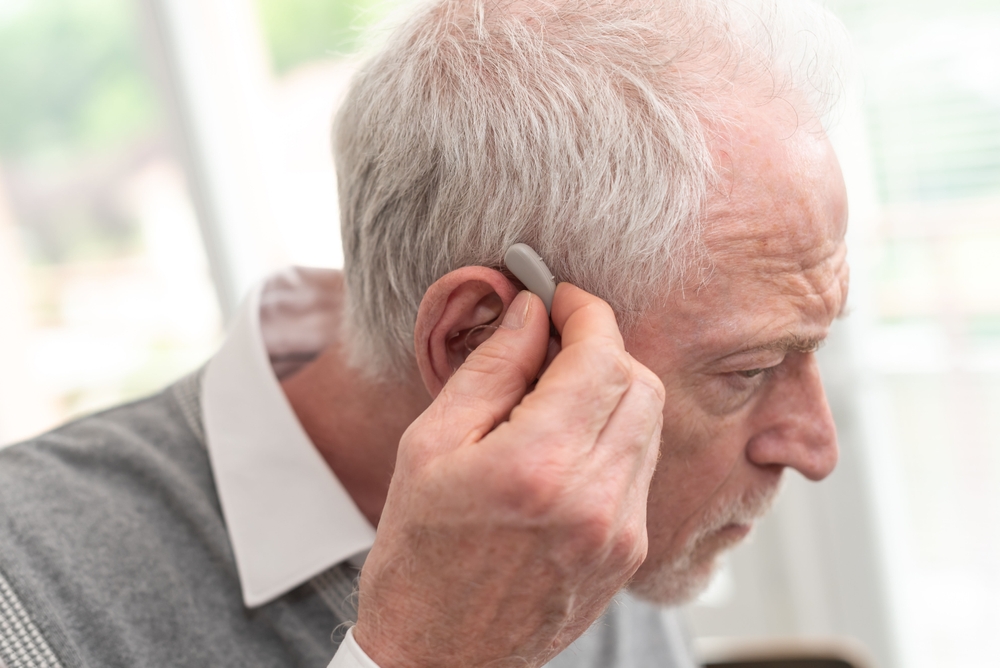

The relationship between your blood pressure and your hearing system is not always straightforward. Many people experience tinnitus without having hypertension, and some individuals suffering from high blood pressure do not necessarily have tinnitus. That said, research has found a real association between the two, a study published by the National Institutes of Health found that 44.4% of people with tinnitus also had high blood pressure, compared to 31.4% of those without tinnitus. Changes in circulation and vascular health can sometimes cause tinnitus or make it worse.
.
There is a specific form of tinnitus that is related to blood flow and circulation, and while it is not a definitive sign of hypertension, it can be a symptom. Understanding the relationship between blood flow and your hearing, and learning how they intersect, is part of having a clear picture of your overall health.
H2: How Hypertension Affects Your Ears
High blood pressure affects the blood vessels in your entire body, including those in your inner ear. If the pressure of your blood on your arteries is too high, it can damage the nerves and blood vessels in your ears, and this change in blood flow can affect how sound is processed or perceived. This can cause hearing loss, tinnitus, or other hearing issues.
While there is some evidence of a connection between tinnitus and high blood pressure, not all instances of tinnitus are related to blood circulation. It’s important to note that you can develop tinnitus as a side effect of many medications that are prescribed to treat hypertension.
H2: Explaining Pulsatile Tinnitus
Pulsatile tinnitus is a specific type that is closely related to circulation. Instead of ringing or buzzing sounds, it sounds like a steady pulsing in your ears that may match your heartbeat. Since it has to do with blood flow, this type of tinnitus is more likely to raise concerns about high blood pressure or other vascular issues.
Non-pulsatile tinnitus is the more common type and comes with the typical ringing, buzzing, or hissing sounds. This kind is usually associated with hearing loss, noise exposure, or other non-circulatory causes rather than high blood pressure.
H2: Other Common Causes of Tinnitus
Hearing loss is one of the leading causes of tinnitus, especially as you get older. Exposure to loud sounds, earwax buildup, and even stress can all contribute to your hearing ringing, buzzing, and pulsing.
By learning about the other possible causes, you can start to realize that tinnitus doesn’t automatically indicate high blood pressure. However, if you’re experiencing tinnitus, it’s important to pinpoint what’s causing it because that can give you valuable information about your health.
H2: When Should You Be Concerned About Tinnitus?
If you’re experiencing tinnitus and aren’t sure what’s causing it, you should pay attention to when your symptoms occur and whether they coincide with increased stress, caffeine intake, noise exposure, or occur only in certain environments. If you know you have high blood pressure or other cardiovascular concerns, it’s a good idea to rule out if it is causing your tinnitus.
While it is usually not serious, there are times when it’s worth getting checked out. Make an appointment with your healthcare provider or hearing specialist if you experience:
- A pulsing or heartbeat-like sound
- Sudden onset of symptoms
- Tinnitus in only one ear
- Dizziness or balance issues
- Noticeable changes in hearing
- Symptoms that persist or worsen over time
There are things you can do to manage your tinnitus, like sound therapy, but if your symptoms continue, you should schedule an evaluation with a primary care doctor so they can check your blood pressure and assess your overall health, or a hearing specialist who can take a closer look at your hearing and tinnitus symptoms.
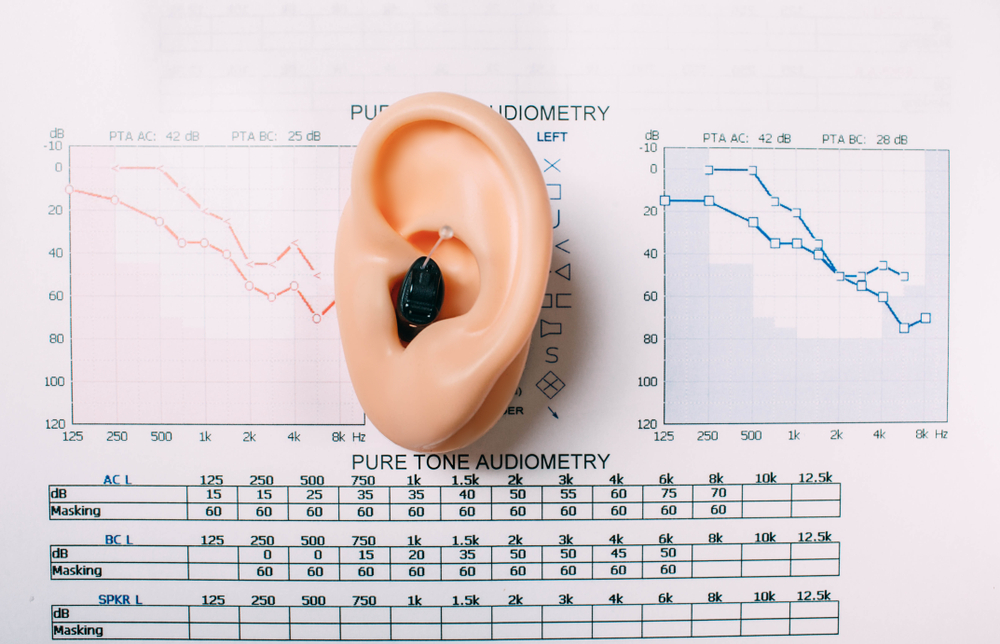
Getting a hearing test is often the first step in figuring out what is causing your tinnitus. During the evaluation, a hearing care specialist will review your symptoms, examine your ears, and perform various tests to see how you are processing sound and establish what is affecting your hearing.
H2: How to Manage Your Blood Pressure
Making some changes in your lifestyle can support both your overall health by lowering your blood pressure and help you maintain your hearing. Good habits like getting regular exercise, eating a balanced diet, managing stress, and getting good sleep can all have a positive impact.
Some of the risk factors for high blood pressure are age, family history, obesity, high sodium intake, and other health conditions like diabetes or kidney disease. Taking care of your health helps reduce your risk of hypertension.
H2: Getting a Professional Evaluation Can Give You Answers
Experiencing pulsatile tinnitus can be a sign of high blood pressure, but it’s important to rule out other causes or determine if it’s a symptom of something else to avoid self-diagnosing. An audiologist or hearing care specialist can perform a comprehensive hearing test to identify whether there have been any other changes in your hearing that might be causing your tinnitus.
The team at our Michigan hearing aid centers can assess your hearing health and determine if you should follow up with your doctor. Whether your tinnitus is occasional or persistent, working with a local hearing care provider can help you better understand your symptoms and get support that fits your hearing needs.