
here are many different types of hearing loss, including conductive, sensorineural, mixed, and auditory neuropathy spectrum disorder.
Hearing loss happens when one or more parts of the auditory system are not working properly. This condition can range from mild to profound and occur in one or both ears. There are many different types of hearing loss, including conductive, sensorineural, mixed, and auditory neuropathy spectrum disorder.
What Is Hidden Hearing Loss?
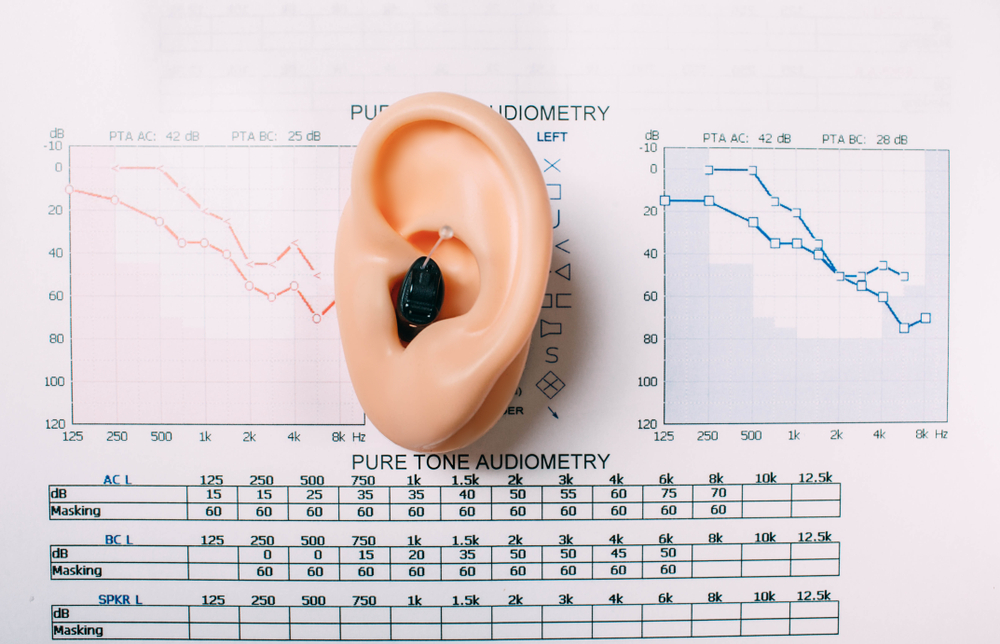
Unfortunately, standardized hearing testing doesn’t always diagnose patients who have hearing loss. Patients with hearing loss who pass standardized testing are grouped into the main category known as hidden hearing loss. Most patients with hidden hearing loss are over the age of 65 years old. However, this hearing loss condition can affect people of all age groups.
Several different factors can cause hidden hearing loss. Some of the most prominent are noise exposure and traumatic brain injuries. It’s estimated that between 5 and 10 percent of all patients who undergo auditory testing have hidden hearing loss.
What Are the Symptoms?
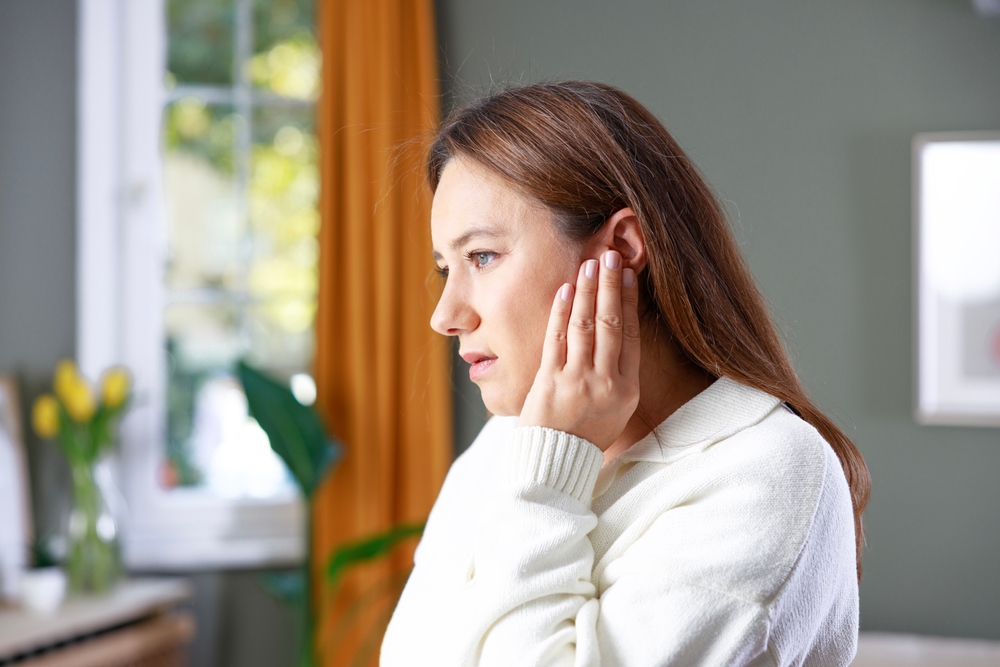
Due to the uniqueness of this hearing condition, hidden hearing loss may showcase a variety of symptoms. One of the most common is mishearing people. You may also feel distracted and unable to focus when you’re in an overly noisy environment. Many with hidden hearing loss will prefer to have quiet settings for their conversations.
Most with this condition feel a strong sense of having a problem with their hearing even after they pass a standardized hearing test. Patients may even experience regular tinnitus.
How Is Hidden Hearing Loss Treated?
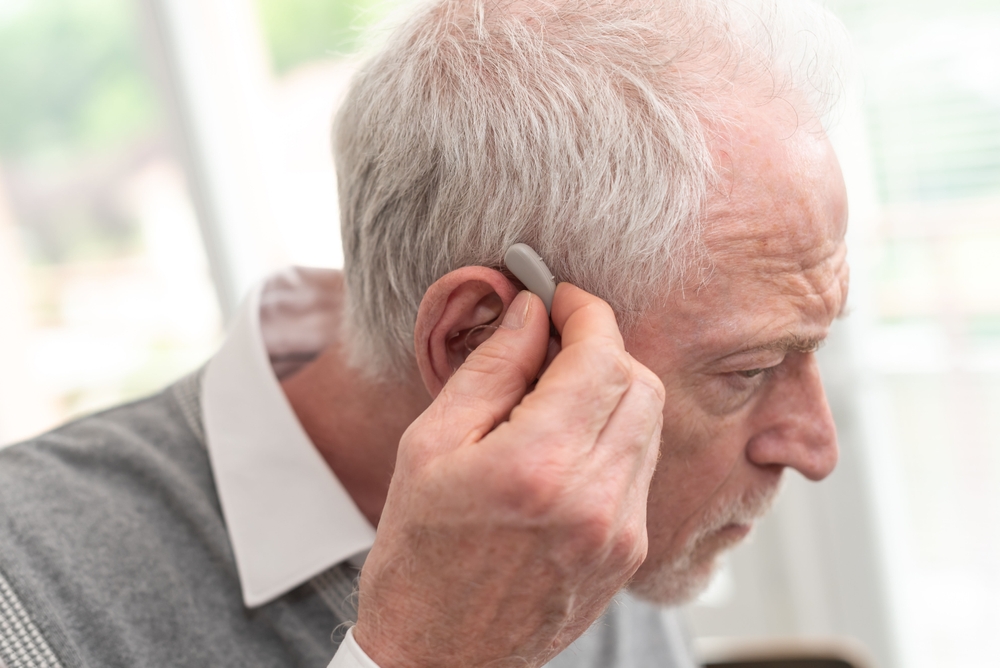
Hidden hearing loss is treated with a multi-faceted approach. First, patients are fitted with open-fit hearing aids to help amplify the sounds in their environment. Next, they are trained on various general communication strategies. These include methods like lip reading and closed captioning. This combined approach can significantly help those experiencing hidden hearing loss.
Are Hearing Aids A Must?
Open-fitted hearing aids have been shown to drastically enhance a patient’s hearing when they are diagnosed with hidden hearing loss. When it comes to hearing loss, it’s crucial that it gets treated quickly—letting hearing loss go untreated increases a patient’s risk of developing mental health illnesses like dementia. For this reason, hearing aids are an essential component of a successful treatment plan for hidden hearing loss.
Call Us Today
If you believe that you’re experiencing hearing loss, it’s time to contact a specialist at Beltone Skoric Hearing Aid Center. Even if you’ve already been assessed at another hearing center with no diagnosis, we can help. Simply give us a call today!