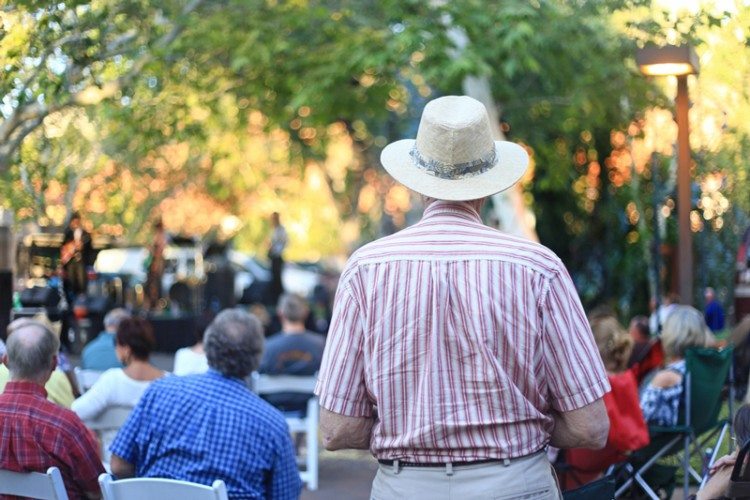
Protect your hearing while enjoying music. Discover essential concert safety tips for music lovers to prevent hearing loss and maintain ear health.
Loud sounds can cause hearing damage, particularly for music enthusiasts. This vulnerability stems from enjoying loud concerts and listening to recordings at high levels. However, one’s love for music doesn’t have to lead to hearing problems later in life. There are numerous ways to protect your hearing and ensure a lifetime of musical enjoyment.
Understanding the Risk
Listening to music at loud volumes can cause noise-induced hearing loss (NIHL). This occurs when music is played at a high volume for an extended period, especially when using headphones or earbuds. Attending concerts also exposes people to the same risk.
The Science of Sound
We are able to hear because sound waves travel through the ear canal to the eardrum, causing it to vibrate. These vibrations are then transferred to three bones in the middle ear, where they are amplified and create fluid vibrations in the cochlea. The cochlea contains fluid, and these movements stimulate sensory cells, also known as hair cells, allowing us to hear.
The hair cells in the ear move up and down, while microscopic structures called stereocilia sit on top of them. When sound waves cause the stereocilia to bump against structures in the ear, they bend and open pores, allowing chemicals to enter and create an electrical signal. The auditory nerve then sends this signal to the brain, which interprets it as a recognizable sound.
Sound is measured in decibels. For instance, a sound that measures below 70 A-weighted decibels (dBA) will not cause NIHL, regardless of how long you are exposed to it. However, if the sound measures 85 dBA and you are exposed to it for a long time or repeatedly, you will suffer from NIHL. The maximum music volume through headphones or at a concert typically ranges between 94 and 110 dBA.
Concert Safety Tips
If you’re planning to attend a concert and want to protect your ears from potential NIHL, there are several precautions you can take. You can use earplugs or earmuffs designed to reduce sound exposure or position yourself farther away from the speakers to minimize the impact of loud sounds on your hearing. These measures can help safeguard your hearing and reduce the risk of long-term damage caused by exposure to loud music or sounds.
Visit a Beltone Skoric Hearing Aid Center in Michigan
Earplugs, earphones, and earmuffs are essential for concerts and any situation involving loud sounds. It’s crucial to wear these devices to protect your hearing. Consider consulting with a hearing specialist at Beltone Skoric Hearing Aid Center for regular hearing tests to monitor changes over time. When using electronic devices, ensure that the volume is set at a level that allows you to hear comfortably but isn’t too loud.
Visit the nearest Beltone Skoric Hearing Aid Center to get started on protecting your hearing health.
Source: https://www.nidcd.nih.gov/health/noise-induced-hearing-loss