
While hearing loss isn’t always entirely avoidable, there are some ways you can reduce your risk of having hearing-related issues. This is why below we’re offering New Year’s resolutions that can be good for your hearing.
According to the World Health Organization (WHO), more than 400 million adults worldwide have some type of disabling hearing loss. While hearing loss isn’t always entirely avoidable, there are some ways you can reduce your risk of having hearing-related issues. This is why below we’re offering New Year’s resolutions that can be good for your hearing.
Balance Your Diet
What you eat can affect your hearing health. Foods rich in omega-3 fatty acids and vitamin D, for example, offer protection against hearing loss. A study from 2007 also suggests foods rich in magnesium could reduce hearing-related damage from noise exposure. Specific foods generally considered good for your hearing health include:
- Avocados and bananas
- Leafy green veggies
- Whole grains and nuts
- Dark chocolate
Be Mindful of Your Medications
The American Speech-Language-Hearing Association points out that 200-plug medications may increase the risk of hearing loss. Some of these medications include:
- Aspirin and other common over-the-counter drugs
- Heart disease medications
- Chemotherapy drugs
- Certain antibiotics taken by individuals with kidney disease and other health issues
Resolve to let your doctor know if the medications you are taking seem to be affecting your hearing. Also, be especially mindful of how new drugs may impact your hearing health so you can alert your doctor ASAP.
Protect Your Ears
Permanent hearing loss can occur after just 15 minutes of exposure to loud noises. So, resolve to be proactive about protecting your ears in the new year. One way to do this is by buying a bag of comfortable and effective earplugs. This way, you can put them in quickly and easily if you find yourself in noisy restaurants or other situations where sounds may be too loud for your ears.
Stay Away from Cotton Swabs
Q-Tips and other types of cotton swabs may seem like a convenient way to clean your ears. However, these swabs push wax further into your ears if you’re not careful. Instead, opt for other earwax cleaning methods, or see an ear specialist for expert cleaning.
Keep the Volume Down
You can still enjoy your favorite tunes or TV shows without blasting the volume. Even if you use headphones, it’s best to keep the volume lower than 85 decibels to keep your ears healthy during the next year.
Get Your Hearing Tested
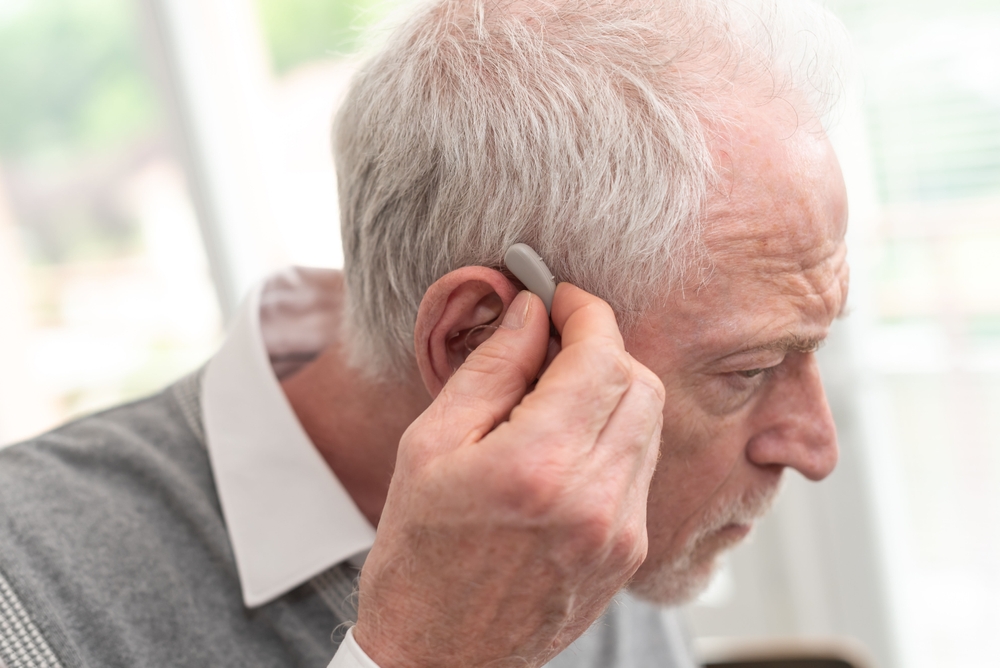
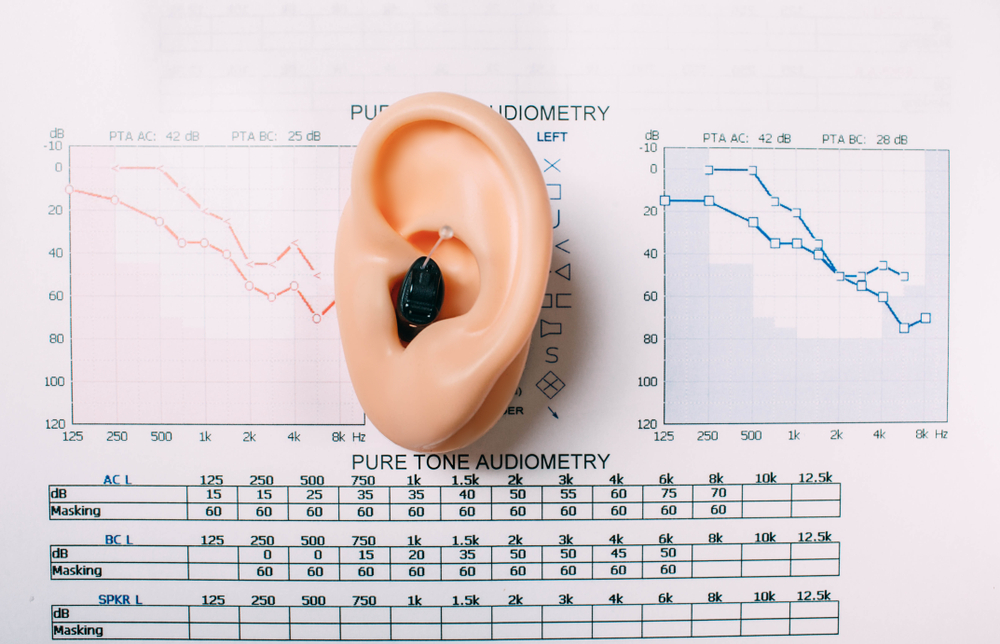
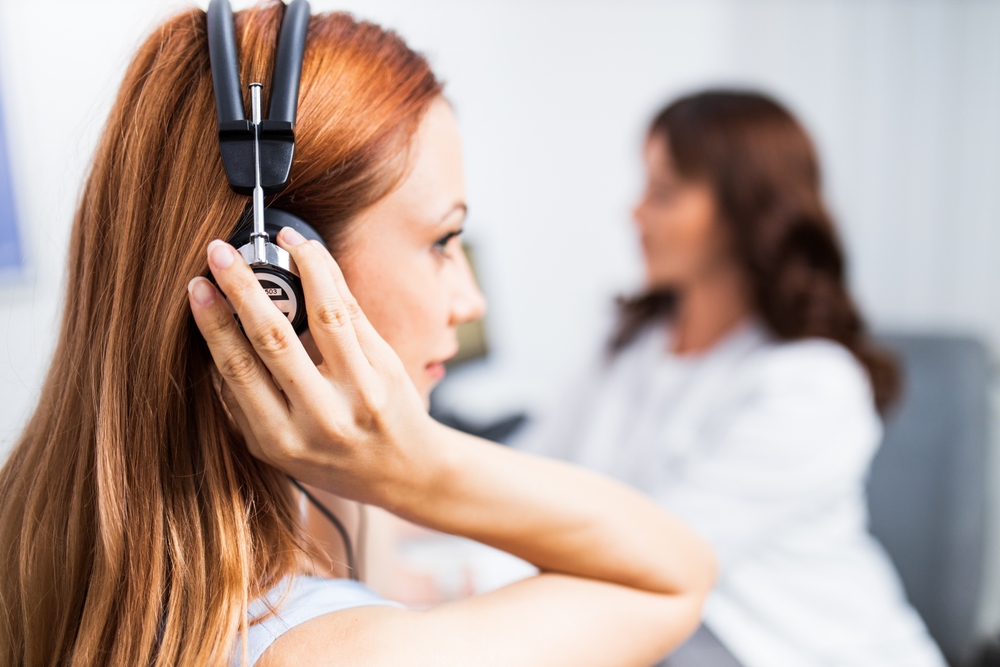
If you’ve been noticing signs of hearing loss, realize the problem won’t likely go away on its own. Get the peace of mind you deserve by visiting our hearing center. Specialized tests can be performed to determine what’s going on with your ears and related parts. We’ll also let you know if you may benefit from customized-yet-discreet hearing aids.
Call Us Today
Take control of your hearing and quality of daily life by scheduling an appointment at Beltone Skoric Hearing Aid Center. Call us today, and we’ll identify and address hearing-related issues you or someone you love may be concerned about. References:
https://www.mdhearingaid.com/en/blog/new-year-resolutions
https://www.healthyhearing.com/help/hearing-loss/prevention
https://www.cdc.gov/nceh/hearing_loss/infographic/
https://www.who.int/news-room/fact-sheets/detail/deafness-and-hearing-loss