
You may think that your hearing loss has nothing to do with your balance issue. However, that may not be the case.
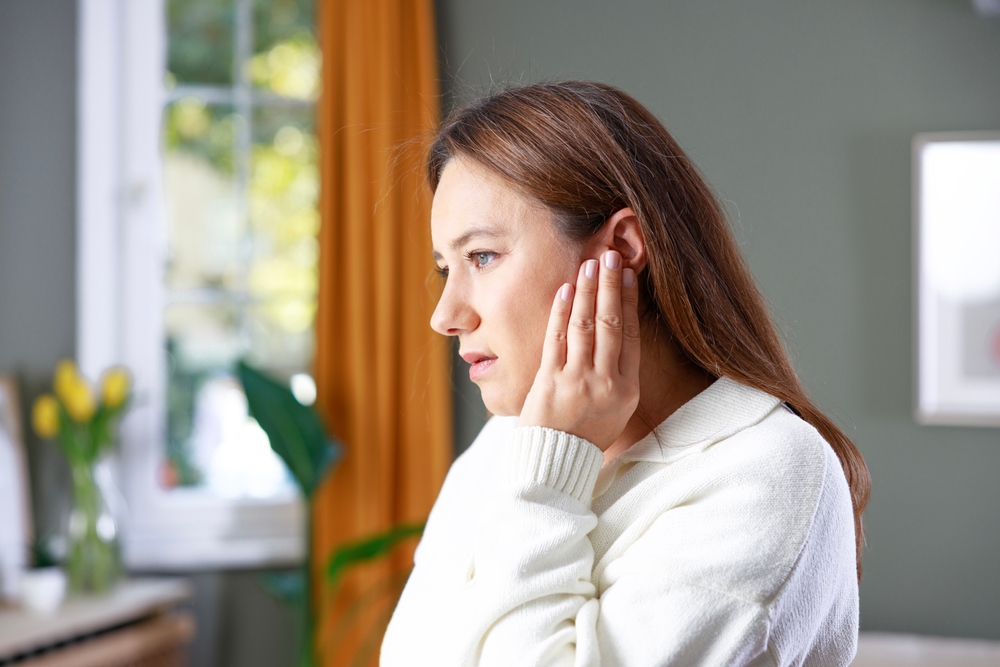
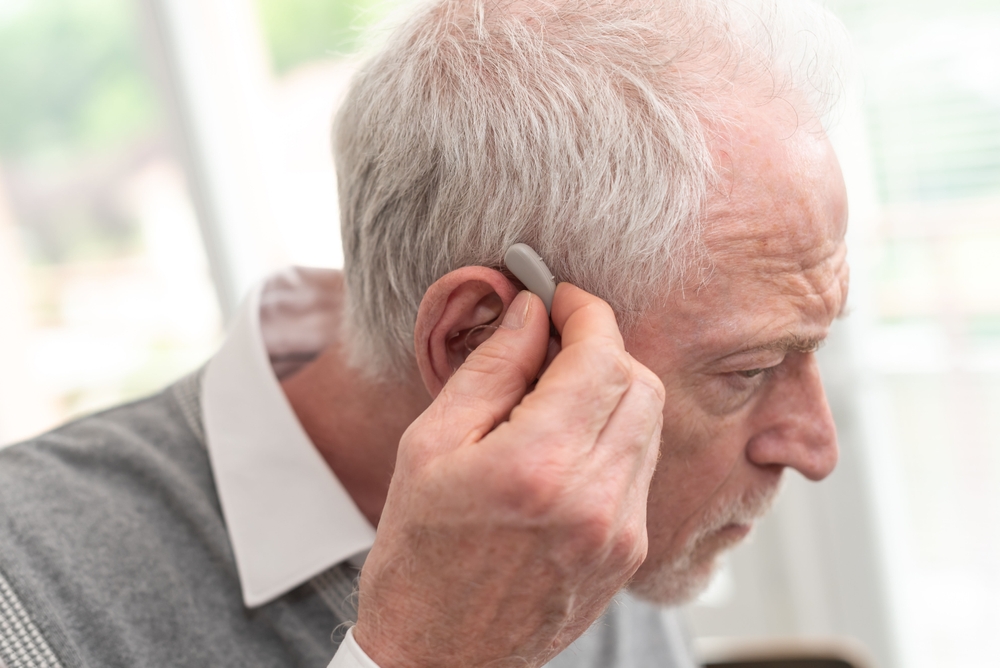
You may think that your hearing loss has nothing to do with your balance issue. However, that may not be the case. The ear is a complex piece of human anatomy that offers the ability to receive communication and provide a sense of balance for the entire body as a unit. Problems with hearing can affect your ability to stand, walk, and keep your balance in general.
How Does the Body Balance Itself?
Contrary to popular belief, the body uses more than just your eyes and brain to find balance in the world around you. Your inner ear is a maze of tissue and bone that holds what is known as the semicircular canals. These canals are what we use to determine the balance of our bodies and surroundings.
There are three canals in the inner ear, each responsible for sensing a particular type of movement. The first canal senses up and down motion. The second canal senses movement from side to side. Lastly, the third canal senses tilting movements. Each canal is filled with fluid, and the hair cells inside them sense the type of movement transmitted to the brain.
Ear Balance Disorders
As you can see, your ears do more than assist you in hearing. They allow your brain to understand how you’re moving throughout the space around you. Those who have ear balance disorders will notice the following symptoms:
- Vertigo
- Dizziness
- Balance Problems
- Nausea
These symptoms can range from slight to severe. Those with severe symptoms may experience motion sickness while standing still or even find it difficult to stand up. If you notice balance issues, then it’s time to get into one of our hearing centers for an evaluation.
How Can a Hearing Specialist Help?
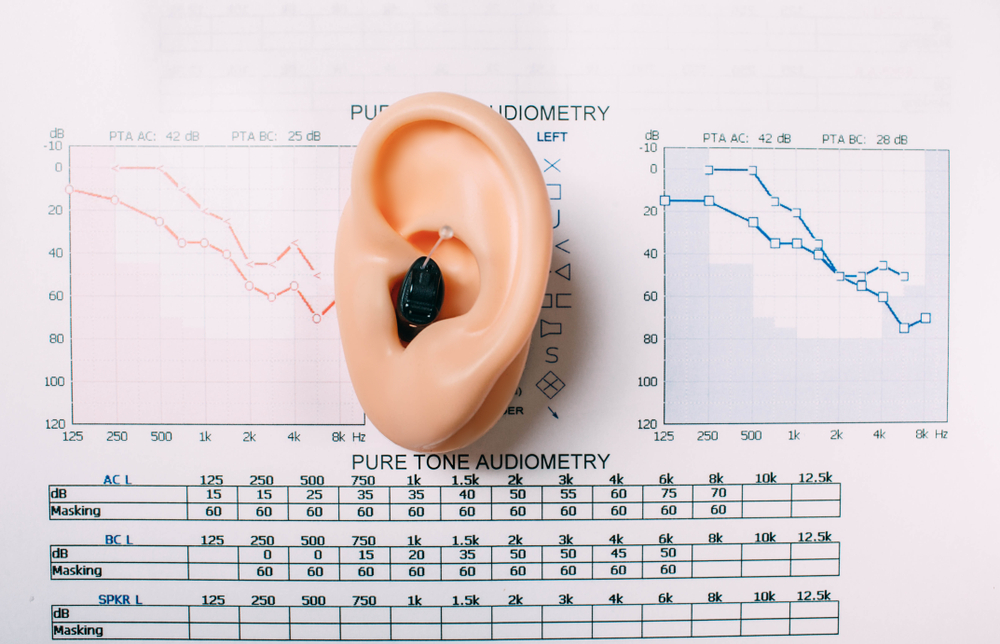
It’s common practice to seek out a hearing care specialist when you’re experiencing hearing loss. However, balance issues can happen due to an ear problem that doesn’t show alongside any hearing loss symptoms. Seeking help from a hearing specialist should be your first step when dealing with symptoms of balance issues.
Call Us Today
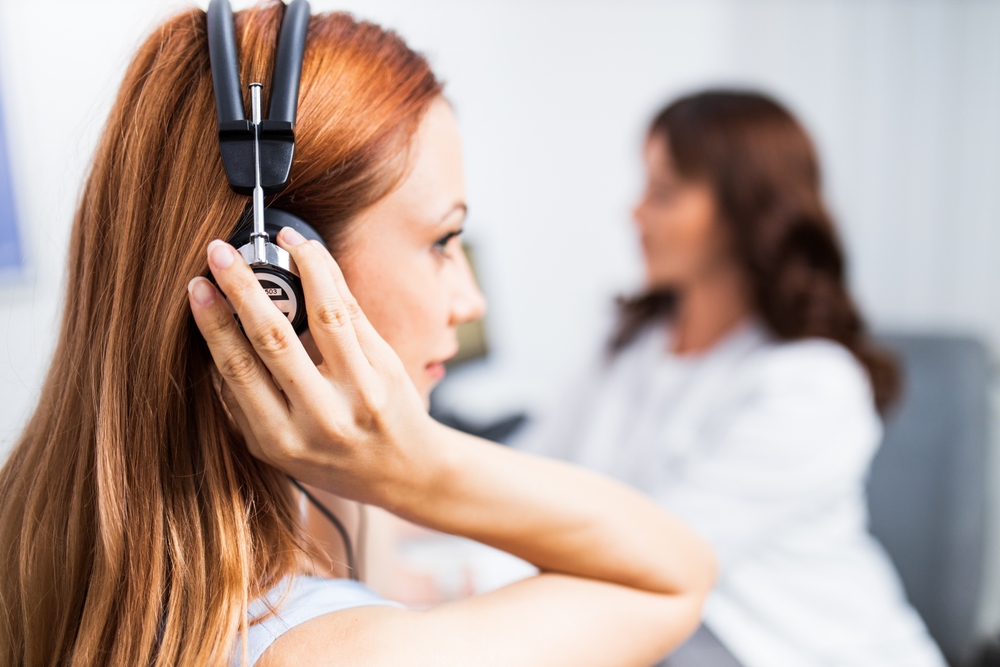
We have qualified hearing experts that can evaluate your balance issues to determine their root cause. Give our office a call to set up an appointment today.