
Use our Hearing Health Checklist to stay proactive with your hearing care. Discover strategies for preventing hearing loss and maintaining optimal hearing.
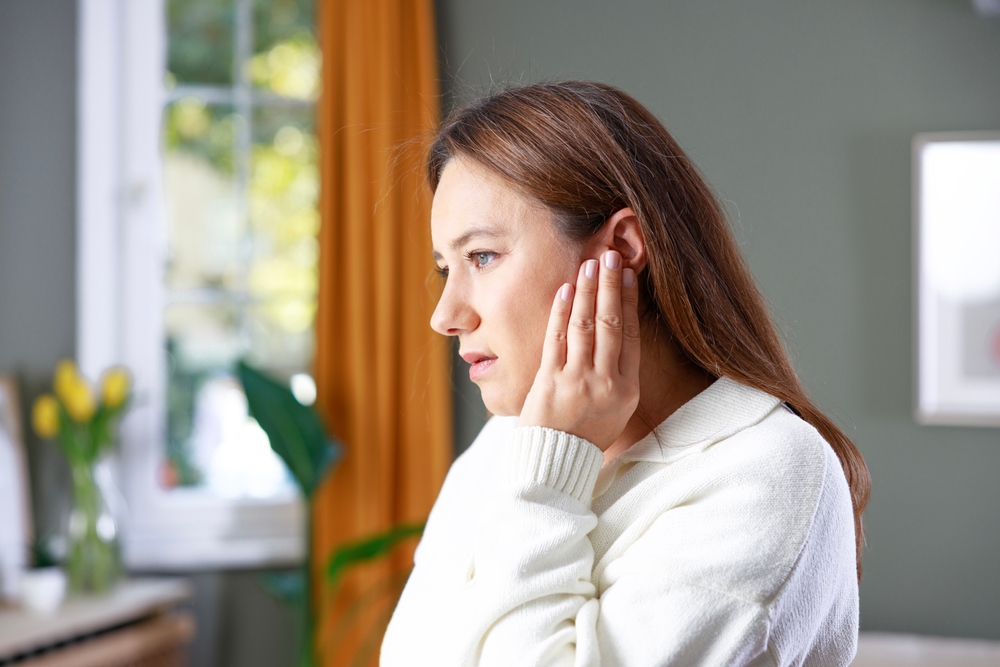
It might be a cliché that you have to raise your voice for your grandfather to hear you or that you have to repeat yourself three times to your elderly aunt. Still, age-related hearing loss is indeed a fairly common problem. Age-related hearing loss, or presbycusis, is the gradual loss of hearing in one or both ears, affecting one in three adults over the age of sixty-five. It slowly starts with losing the ability to hear high-pitched noises and frequencies, such as a phone ringing. Over time, this progresses to certain tones of human voices. While progressive, this age-related hearing loss is still treatable. Regular check-ups and early detection are very important.
The Hearing Health Check-up
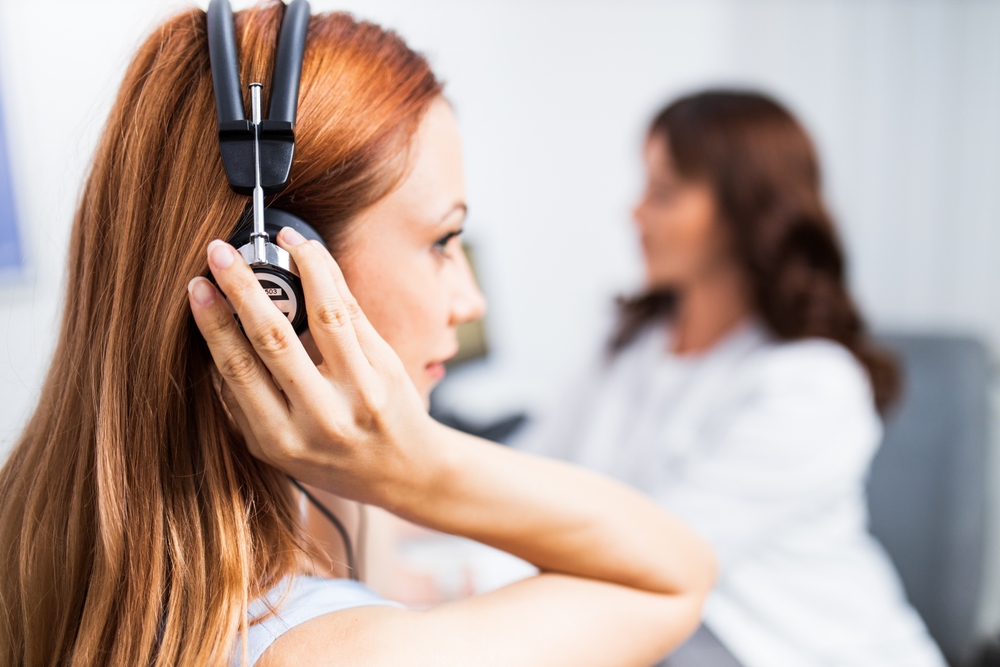
To determine whether or not your hearing is deteriorating, your audiologist will conduct a series of tests that will likely include the following:
- A physical examination is necessary to check for changes in the structure of the eardrum, loss of inner ear hair, or contributing factors such as diabetes.
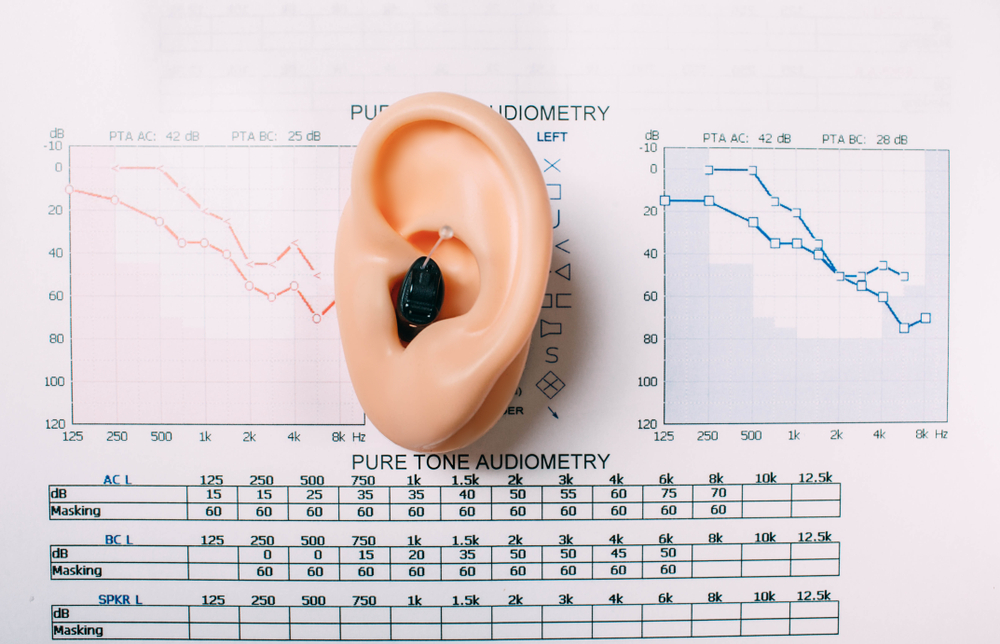
- Conduct a pure tone test to determine the range within which your ears can still detect sound.
- In severe cases, a neurological exam is performed.
Common Hearing Health Issues
For older adults and seniors, several health issues might contribute to age-related hearing loss. Some of these include:
- Family history of hearing loss
- Coronary artery disease
- Hypertension
- Stroke
- Diabetes
- Ototoxicity (damage to the inner ear)
- Frequent exposure to loud noises
Although hearing loss is not immediately apparent, some symptoms include the loss of the ability to hear high sounds such as alarms, the phone ringing or microwave beeping, the need to increase the volume on the TV or radio, having trouble understanding what people are saying, and developing tinnitus or ringing in the ears.
Lifestyle Tips for Better Hearing
Many healthy habits and lifestyle changes help with presbycusis. Consider some of the following steps:
- Use ear protection, such as earplugs, in high-noise environments. Move away from continuous, loud sounds.
- Turn down the volume on personal devices.
- Avoid smoking and secondhand smoke.
- Take care of your general health.
- The Role of Regular Check-Ups
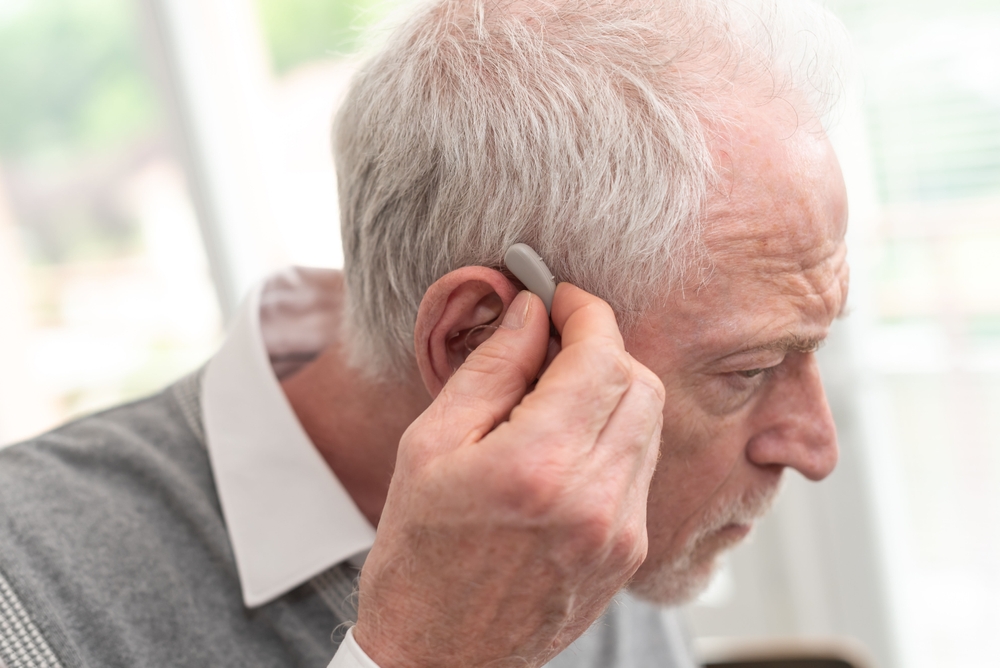
As you age, periodic hearing assessments should be part of your regular health routine and maintenance. Early detection of hearing loss allows treatment to mitigate the symptoms through lifestyle changes, medications, and assistive devices such as hearing aids. Your doctor should check your hearing yearly as part of a routine checkup.
Conclusion
Remember, your hearing is a vital sense that you want to preserve and protect for as long as possible. It is never too early to start taking steps to preserve your hearing through ear protection, healthy habits, and regular checkups. To begin your hearing health journey today, contact Beltone Skoric Hearing Aid Center.