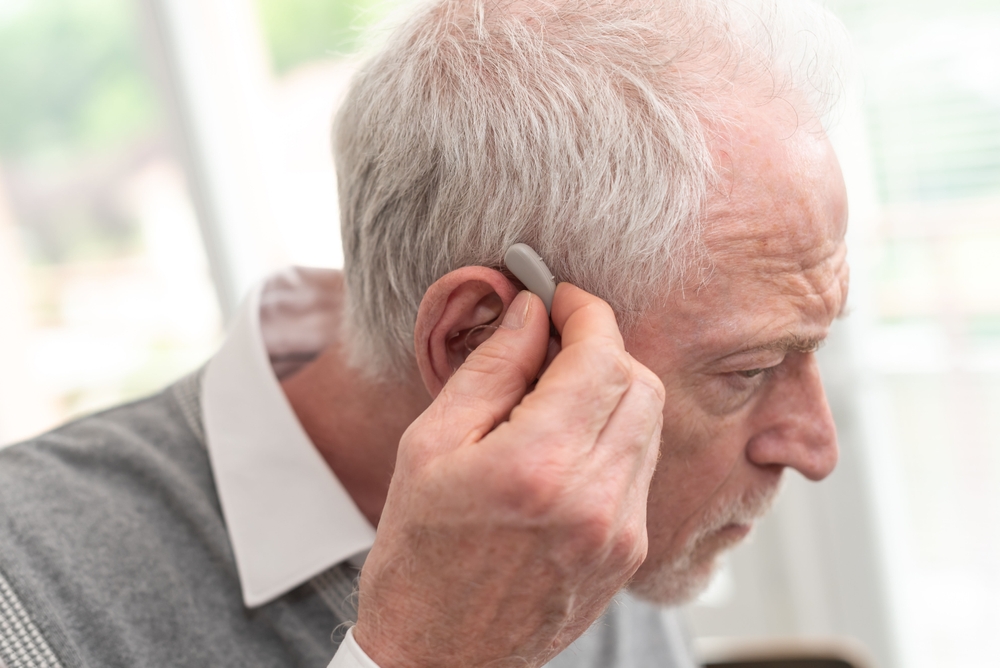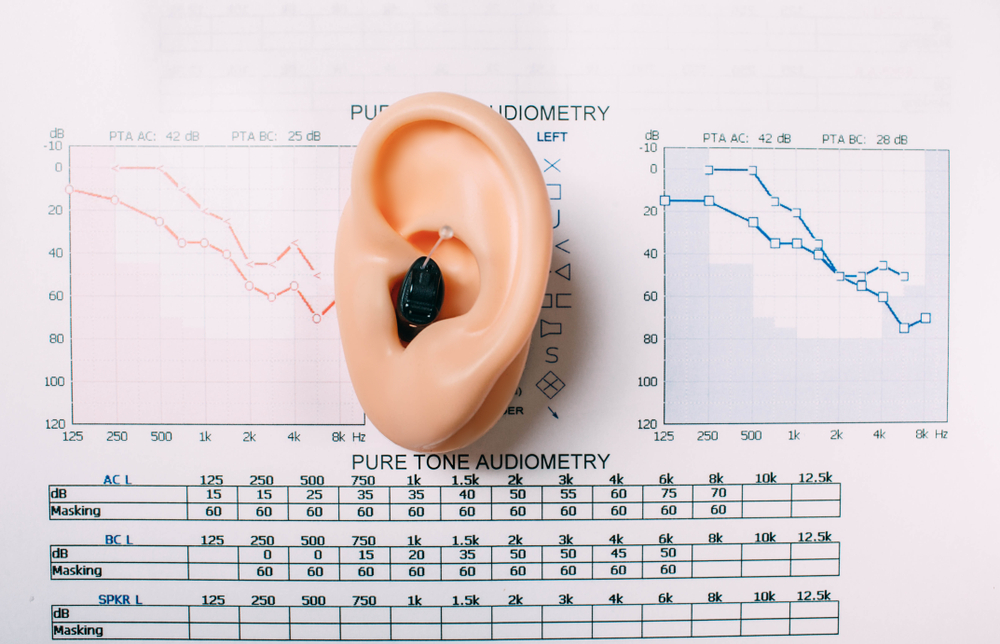

Owning a pair of hearing aids doesn’t have to be scary. Let’s look at the five spooky fictions you need to know about hearing aids.
Hearing aids are one of those health products that tend to have some fictional misconceptions that people falsely take as facts. If you or someone you know is struggling with hearing loss, it can be difficult to seek professional help due to these preconceived notions. Fortunately, we’re going to debunk some of the most common myths about hearing aids to help put your mind at ease about getting professional hearing assistance.
Hearing Aids are Only For Deaf People
Hearing aids aren’t designed just for deaf people. There are various hearing aids to treat all levels of hearing loss. From mild to severe, there are options for everyone. If you’re experiencing slight hearing loss, getting hearing aids can help prevent unwanted mental health disorders.
Hearing Aids Can Make Your Look Old
While traditional hearing aids featured behind-the-ear block styles that were obvious, that’s not the case anymore. Most modern hearing aids are available in various styles, sizes, and colors to fit your lifestyle and skin tone. In fact, most people won’t even know that you’re wearing hearing aids unless you tell them so.
Hearing Aids Won’t Work With Your Smartphone
Contrary to popular belief, modern hearing aids can easily be integrated to work with most iPhone and Android devices. Most even have downloadable apps to help control the settings on your hearing aids. You’ll be able to quickly answer your phone, hear the caller, and even stream music at your leisure.
Hearing Aids Just Amplify Sounds
Yes, hearing aids amplify sounds so you can better hear them. However, their helpfulness doesn’t stop there. Modern hearing aids will work to adjust sound levels for various noises depending on if they’re depicted to be background or foreground noises. This can help you better understand a conversation you’re having in a noisy environment. Additionally, most modern hearing aids have directional microphones that can easily allow you to identify the source of a noise that you hear.
Just Buying One Hearing Aid Will Save You Money
We all like saving money. However, it’s important to be safe when it comes to your hearing health and its overall effects on the other abilities of your body. Investing in just one hearing aid can make life more frustrating as you try to decipher between noises. It will be challenging to pinpoint the noise source when you only have one hearing aid. Don’t believe us? Spend a day with one ear plugged, and you’ll notice how frustrating it can be, to say the least.
Call Us Today
If you’re ready to undergo a professional hearing examination to determine which hearing aids are best for your hearing needs, then it’s time to give us a call at Beltone Skoric Hearing Aid Center. Let our licensed audiologists help you on your journey to better hearing health.