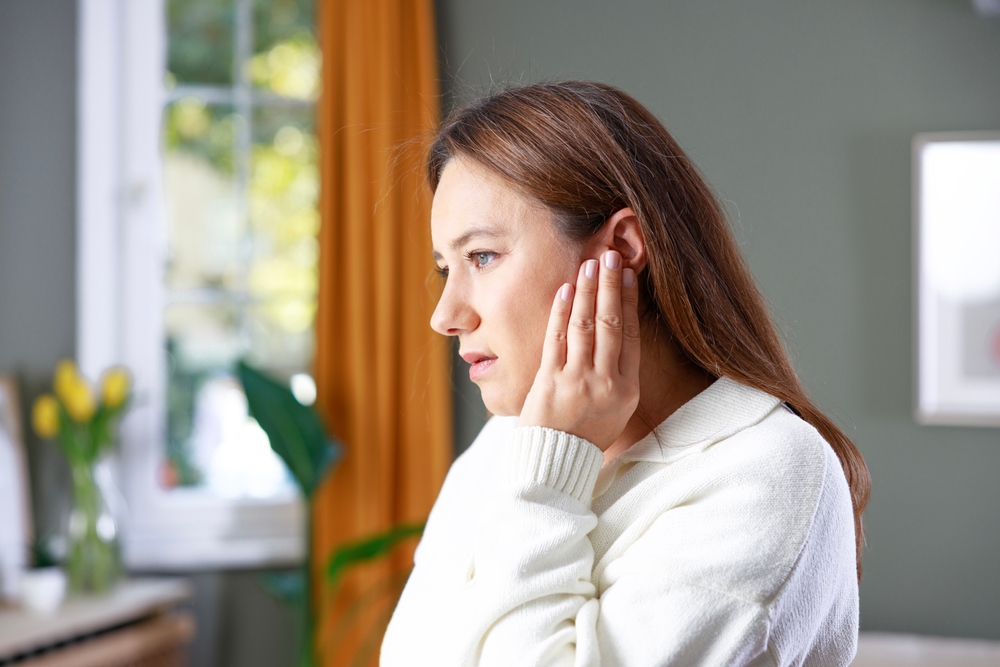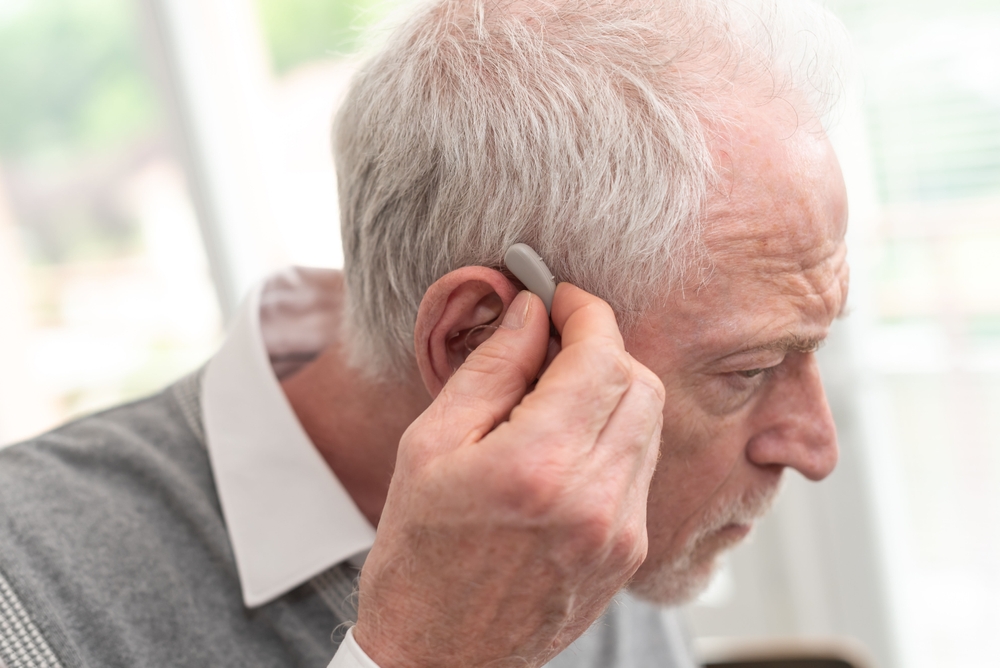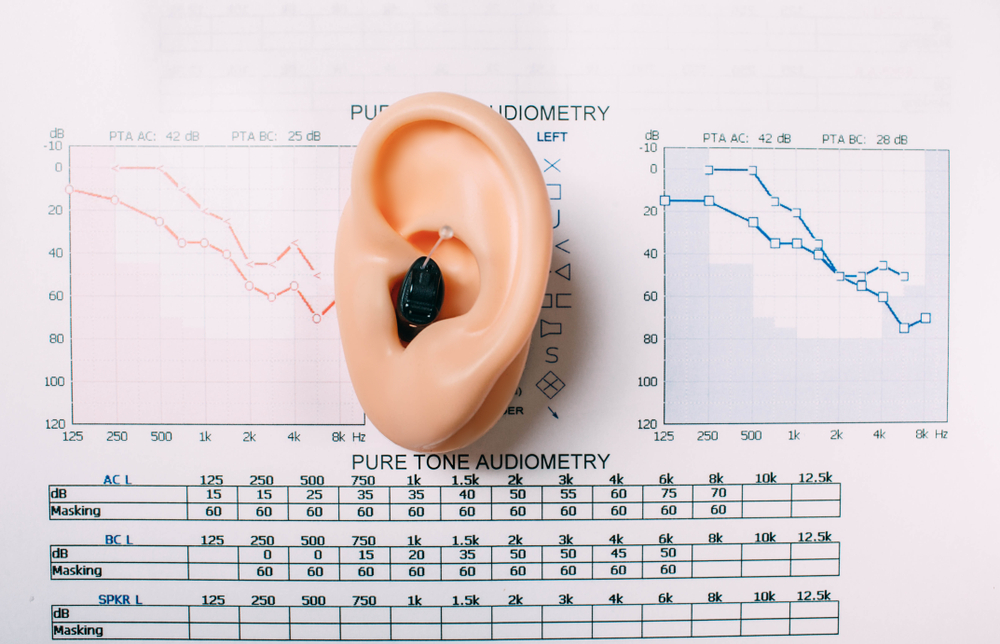

Constantly asking people to repeat themselves, struggling to hear music or television regardless of how high the volume is, and a constant ringing in your ears all reduce your quality of life.
Hearing loss and tinnitus, two common conditions that affect millions worldwide, can significantly impact your quality of life. The constant struggle to understand conversations, the frustration of muffled sounds, and the persistent ringing in your ears can take a toll on your daily activities and overall well-being. While there is no definitive cure for hearing loss or tinnitus, there are effective treatments that can alleviate symptoms and help you reclaim control over your auditory experience.
Understanding the Causes and Symptoms of Tinnitus
Tinnitus is a ringing or buzzing sound in the ears, which can vary in frequency and intensity. According to the American Tinnitus Association (ATA), rather than its own disease, tinnitus is a symptom of one of the hundreds of other conditions. Conditions that can cause tinnitus include:
- Inner ear injuries
- Prolonged noise exposure
- Age-related hearing loss
- Middle ear obstructions
- Neck or head trauma
- Temporomandibular joint (TMJ) disorder
- Barometric trauma and sinus pressure
Tinnitus is almost always accompanied by hearing loss, so if you have tinnitus, you probably have hearing loss as well, but there’s a good chance you haven’t noticed it; people often don’t.
The Potential Link Between Sleeping Pills and Hearing Loss and Tinnitus
While research on the direct link between sleeping pills and hearing loss or tinnitus is ongoing, certain medications have been identified as ototoxic, meaning they can have harmful effects on the ears. In 2015, U.S. News & World Report published an article about ototoxic medications, claiming that there are numerous drugs that can potentially cause hearing loss. These drugs include:
- Non-steroidal anti-inflammatory drugs (NSAIDs)
- Some antibiotics
- Quinine-based medications
- Diuretics and water pills
- Certain cancer drugs
This is not a comprehensive list. It is for informational purposes only and should not take the place of advice from your hearing specialist.
What are the treatments for hearing loss and tinnitus?
The first step to treating hearing loss and tinnitus is attempting to determine the cause. During a hearing loss and tinnitus diagnosis, your hearing specialist will use several approaches to narrow down the possibilities.
For instance, they may have you clench your jaw or move your neck around while monitoring the intensity of your symptoms. Lab tests and imaging may also be required, and your doctor will likely administer a standard audiological exam as well. Sometimes, the specialist will be unable to determine an exact cause.
Embark on Your Journey to Better Hearing: Beltone Skoric Hearing Aid Center’s Commitment to Your Care
At Beltone Skoric Hearing Aid Center, we understand the impact that hearing loss and tinnitus can have on your life. Our team of experienced audiologists is dedicated to providing comprehensive hearing care services, including in-depth hearing evaluations, personalized treatment plans, and a wide range of hearing devices to suit your individual needs and preferences.
Take the First Step: Schedule Your Free Hearing Evaluation Today
Don’t let hearing loss and tinnitus diminish your quality of life. Contact Beltone Skoric Hearing Aid Center today to schedule your free hearing evaluation and embark on a journey to better hearing and reduced tinnitus symptoms. Our compassionate team is here to support you every step of the way, helping you rediscover the joy of sound and reconnect with the world around you.