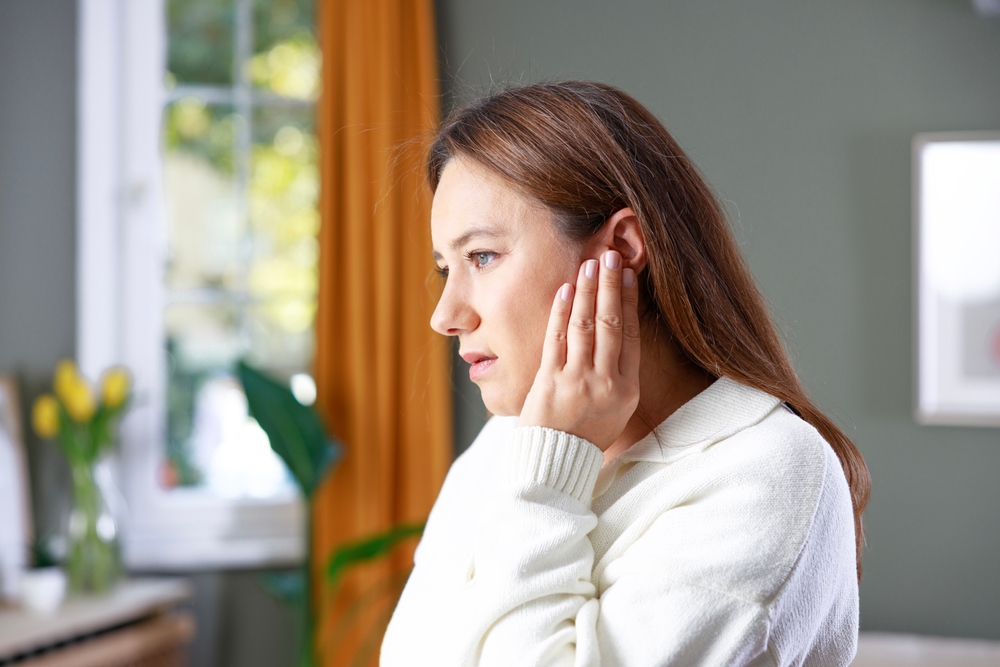

If you notice hearing issues, it may be indicative of a larger inner ear problem that may eventually affect your balance.
The ear is not just for receiving audible information. In addition to facilitating hearing, the inner ear is also an integral part of the “vestibular” system, which is how we maintain our balance. If the inner ear is damaged or dysfunctional, this can not only result in hearing loss, but it can also contribute to symptoms such as dizziness and vertigo. In fact, the vast majority of patients with vertigo, which amounts to roughly 2% of the population, simultaneously suffer from hearing issues.
How do we regulate balance?
The inner ear is composed of two main parts: the cochlea, which is the hearing organ, and the labyrinth, which is the organ responsible for balance. The labyrinth is composed of three fluid-filled semicircular canals. The movement of the fluid lets us know if and how we are moving. The information our brain receives from the labyrinth works with the visual system to keep objects in focus, and our skeleton and joints to orient us. An issue with any one of these interacting parts can cause a balance disorder- but if the dizziness is accompanied by hearing loss, the problem is likely in the inner ear.
Hearing and Imbalance
Common ear issues that can cause dizziness and vertigo include labyrinthitis (a type of infection in the inner ear), Meniere’s Disease, and Benign paroxysmal positional vertigo (BPPV), where calcium carbonate crystals in the inner ear are dislodged and cause brief episodes of vertigo. Many of these ailments are often accompanied by hearing issues. But can treating the hearing problem impact the balance problem?
Can Hearing Aids Make A Difference?
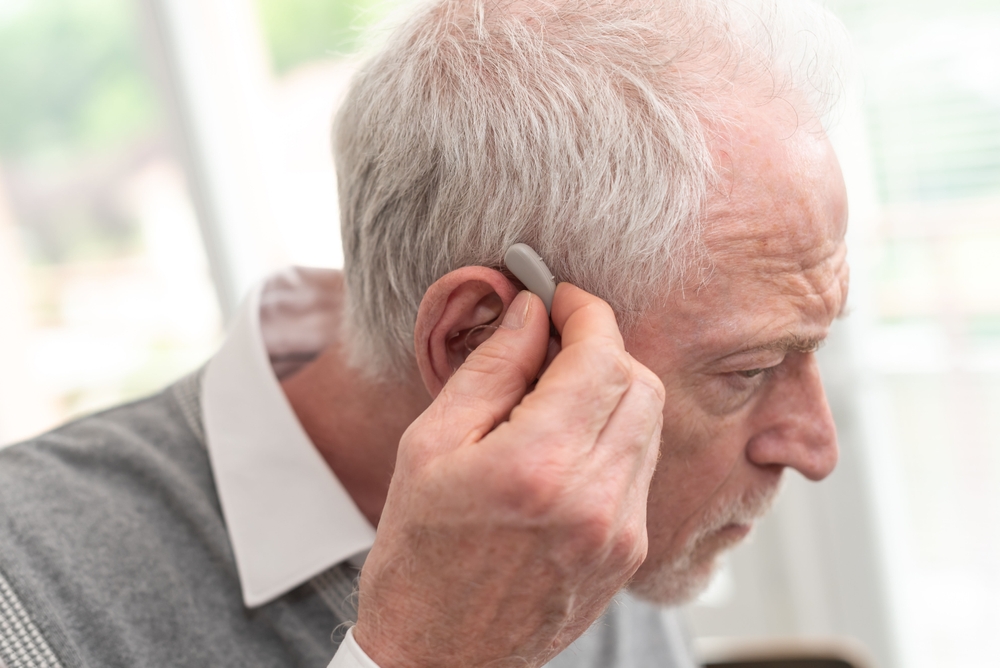
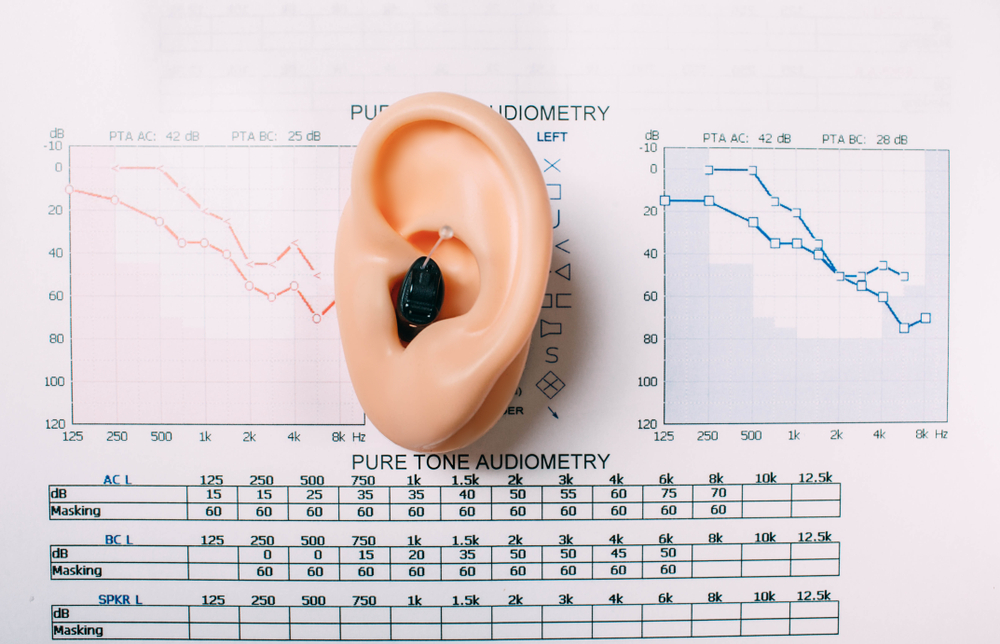
If you notice hearing issues, it may be indicative of a larger inner ear problem that may eventually affect your balance. While hearing aids cannot directly treat the cause of the inner ear dysfunction, some studies suggest that correcting hearing through hearing aids can improve balance. Hearing aids may promote better balance by providing the brain with more orienting audible information that it can use to understand its relative position. Particularly in cases where the hearing loss is uneven between the two ears, using hearing aids to correct the imbalance provides another means of orientation. If you are suffering from hearing impairment and the possible side effects of dizziness and vertigo, our Beltone hearing aids may help alleviate both problems.
Having Hearing Issues? Call Us.
At Beltone Skoric Hearing Aid Center, we want to provide exceptional hearing care to the millions of Americans suffering from hearing impairment. If you have noticed hearing problems, give us a call to see how we can help. Hearing care can change your life- don’t wait, call today!