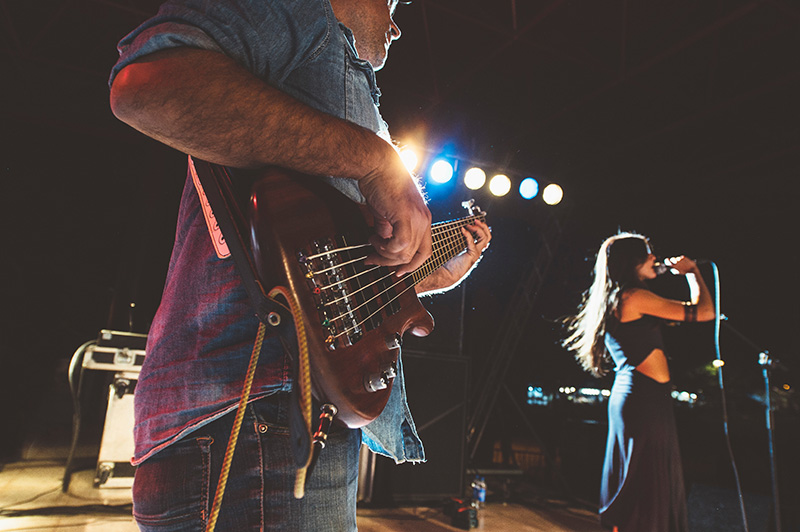
While music festivals are fun, leaving the festival with damaged hearing is not. Learn more about how you can protect your ears with these easy tips.
Heading out to enjoy a music festival with friends is a great way to stay social and let off some steam. While your attention is likely on trying to get there as fast as you can, it’s important to take the time to prepare for the event. One aspect that you need to be particularly careful with is your hearing protection. You don’t want to leave the festival and end up experiencing hearing loss.
Take Earplugs
One of the easiest ways to help protect your hearing while attending a music festival is to wear earplugs. There’s a reason that many festivals give these away for free. They help reduce the volume of external noise so that you can better preserve your ability to hear speech. If possible, you should consider investing in custom-fitted earplugs. These can be reused time and time again and help to filter out more of the high decibel sounds than your run-of-the-mill disposable earplugs.
Enjoy Regular Breaks
If you’re going to be at a music festival that lasts for hours or even days, it’s a good idea to take regular breaks. You should aim to take a break every 30 minutes to an hour. This will give your hearing time to readjust away from the constant noise that the festival produces. Realize that just giving some space between the noise of the festival and your ears can make a gigantic difference in preserving your hearing.
Avoid the Speakers
Something as simple as positioning yourself away from vulnerable parts of the festival area can do wonders for reducing the music’s impact on your hearing. Try to scope out areas away from speakers and not right up against the stage. Try to avoid standing near walls as they can reverberate the sound produced by the musical groups.
Go On a Noise Diet
After spending a day or two at a music festival, it’s necessary to give your ears time to recover. You’ll want to go on what’s considered a noise diet. This is where you turn down the volume on all of your devices for about 24 hours. This includes your car radio, television, computer, and other devices. During this time, you’ll want to avoid any loud noises at all costs.
Download and Use a Decibel Reader App
Using a decibel reader application is another great way to keep yourself informed to adequately protect your hearing while attending a music festival. Many different apps on your phone work to tell you precisely what decibel the music is during the show. In general, sounds above 85 decibels are most likely to damage your hearing.
Call Us Today
If you’re experiencing trouble hearing after attending a music festival, it’s best to speak to a licensed audiologist. Simply contact our local Beltone Skoric Hearing Aid Center to enjoy a free evaluation and recommendation on how to handle your hearing problem.