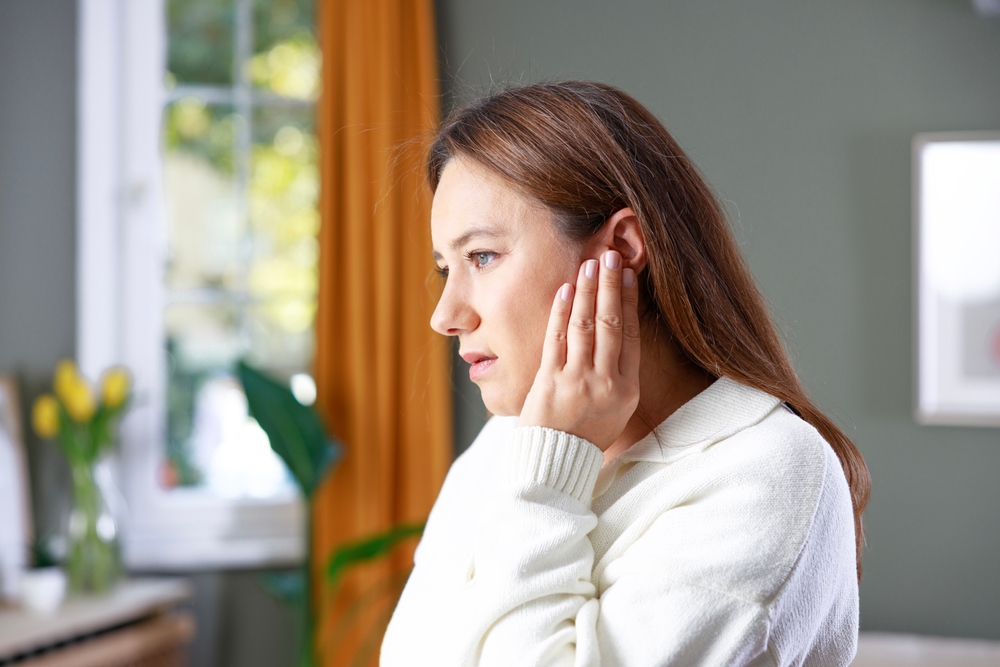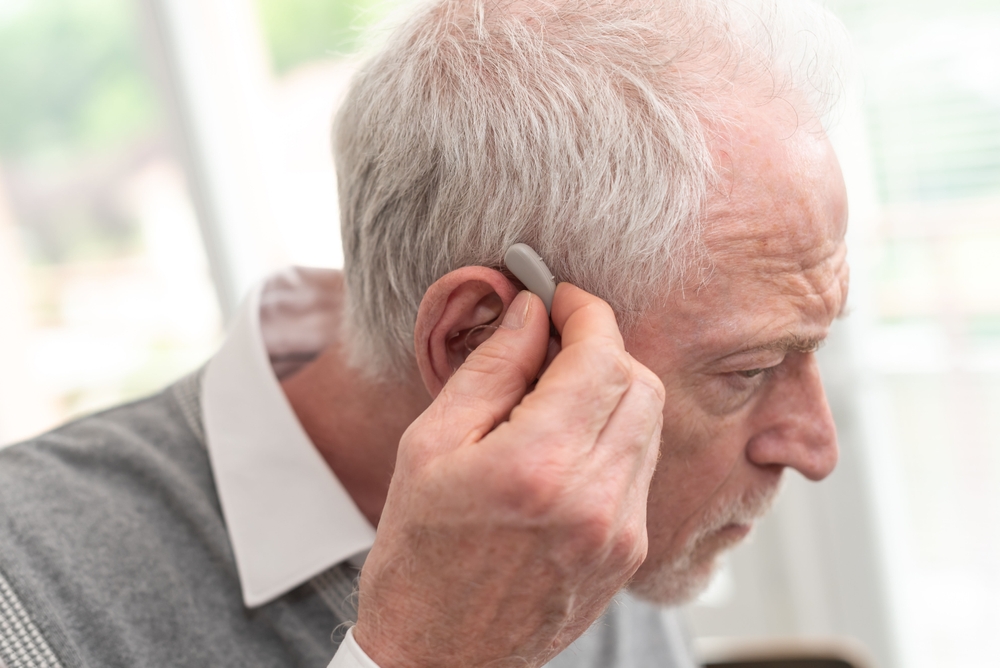

Getting proper hearing assistance can improve a person’s quality of life, improve their relationships and give them greater confidence.
What Can Happen if Hearing Loss is Left Untreated?
Untreated Hearing Loss
If you or your loved one is experiencing loss of hearing, you are not alone. 17% of adults experience some type of hearing loss. This can be caused by genetics, head injuries, medication, exposure to loud noises or aging. The number of people experiencing hearing loss steadily increases as they age. Surprisingly, only 20% of adults experiencing hearing issues actually pursue treatment, many times waiting up to 10 years to receive hearing care. There are many consequences to leaving this issue untreated.
A study by John Hopkins revealed a significant correlation between hearing deficits and dementia in the elderly. In fact, a person is twice as likely to experience dementia with even untreated mild hearing loss. If hearing loss is severe, they are five times more likely to suffer. When a sound is difficult to hear, the brain must work harder to process it. Consequently, other parts of the brain that aid memory and comprehension stop working at their full potential. Patients can experience memory loss, forgetfulness and impaired judgement.
Emotional Health
Avoiding hearing treatment can also cause emotional health problems. A person may not be able to hear the soft sounds of a voice on the telephone or of a small child; therefore, they might avoid these interactions. A person may end up sitting silently during group conversations because they cannot catch enough to keep up. These kinds of situations may cause a person to withdraw from or avoid being in social situations. The more socially isolated a person is, the less connected they become. They are then more likely to suffer from anxiety and depression.
Physical Side Effects
There can also be physical side effects of not receiving hearing assistance. Our ears hear and process sounds, and the inner ear gives us the ability to walk and balance. When loss of hearing creates a balance disorder, a person might feel dizzy, disoriented and confused. Those who are experiencing hearing loss are then more susceptible to falls and injury. If a person is not hearing properly, they may not be alerted to danger such as oncoming traffic or a call for help. Pursuing the right kind of hearing care is an issue of safety for ourselves and our loved ones.
Hearing loss is often ignored, especially for elderly people. Getting proper hearing assistance can improve a person’s quality of life, improve their relationships and give them greater confidence. Please contact us for more information on how you can get the proper hearing care. Call now at (888) 417-2130.