
You might not think you need a hearing test, but taking care of your hearing is important, so the sooner you make that appointment, the better. Scheduling your first hearing appointment can feel daunting, especially if you are not sure what to expect, but getting answers about your hearing issues from a professional is the first step in addressing them.
Knowing what happens during a hearing test will make it easier to make that call to your local hearing center. You might be nervous about the results, but the hearing care specialist will explain your results in easy-to-understand terms.
Why You Shouldn’t Wait to Schedule a Hearing Evaluation
Many people with hearing loss make adjustments like turning the TV up or zoning out in loud places without realizing it, because hearing loss often develops gradually, so you might not even notice you’ve been doing it.
Getting a professional hearing evaluation will help you determine whether your hearing has changed and by how much, and identify the best course of action so you can go back to living your life.
It’s time to schedule an appointment if you:
- Frequently ask others to repeat themselves
- Have trouble hearing in background noise
- Turn up the television louder than normal
- Notice ringing or buzzing in your ears
- Feel tired after conversations because you couldn’t listen properly
How to Prepare for Your First Hearing Appointment
What to Bring to Your Appointment
You’ll need to bring your ID, insurance information, and a list of any medications you’re currently taking. You should also write down any symptoms so you don’t forget to mention them during the appointment. Having this information on hand will help your appointment go smoothly and make your consultation with the hearing specialist easier.
Should You Bring Someone With You?
It could be comforting to bring someone with you for your hearing evaluation. Having someone you trust there can not only help keep you calm, but they may have observations or changes they’ve noticed that might be useful to mention during the exam. They can also help remember any recommendations or next steps that were discussed, so nothing is missed.
Do You Need a Referral?
In most cases, you don’t need a referral to schedule a hearing evaluation. If you’ve seen your doctor for something they suspect might be hearing-related, they might recommend you get one. Our in-office hearing test is free, so no referral is necessary. Depending on your insurance, you might need a referral for hearing aids if your results determine you need them.
What Happens During Your First Hearing Appointment
A Personalized Hearing Health Assessment
During your first appointment, you’ll begin with a hearing health assessment and discussion of your medical history. Our hearing care specialist will ask about your habits, lifestyle, and any issues you’ve been experiencing. We’ll also ask about things like tinnitus, dizziness, noise exposure, and whether there are situations where hearing has become more challenging.
Video Ear Examination
Your ear and ear canal will be visually examined using an instrument called an otoscope. This video exam is used to check for earwax buildup, irritation, or other visible issues that could be affecting your hearing. While it does allow our hearing professional to see the inside of your ear canal and eardrum, don’t let that scare you. It is painless and non-invasive.
Audiometric Hearing Testing
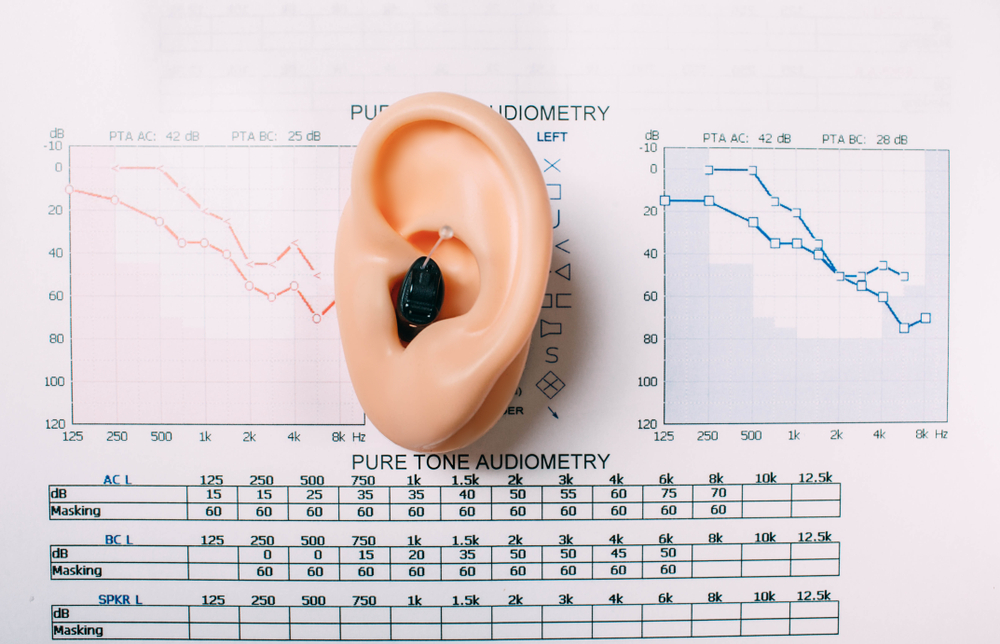
The first part of this testing will see how you respond to different sounds at various pitches and volumes. Then there will be a speech test that will evaluate how well you understand words in quiet and noisy environments. Another test is bone conduction testing, which checks your inner ear and auditory nerve to help determine the kind of hearing loss you might be experiencing.
Reviewing Your Results
Once all of the testing is done, your results will be reviewed and explained to you in layman’s terms, so you have a clear understanding of the state of your hearing and the recommendations from the specialist. Reviewing your comprehensive hearing evaluation will tell you if you have hearing loss, what type it is, and what impact it is having on your daily life.
Personalized Next Steps
Depending on your results, the hearing care specialist will make recommendations to help you regain your hearing. This could involve monitoring and future testing, techniques to manage your tinnitus, hearing aids, or a suggestion that you follow up with your primary physician. Regardless of your next steps, our team will be here to support your hearing needs.
How Long Does a Hearing Appointment Take?
Your initial hearing appointment can last anywhere from 60 to 90 minutes. The time will vary based on your symptoms, the tests performed, and how long it takes to review your results and discuss recommendations. These appointments are comprehensive and unhurried, so you have plenty of time to ask questions, and our specialists can make sure you fully understand your results.
What Happens If You Need Hearing Aids?
If you need hearing aids, we will take the time to explain the styles and features we offer that best match your needs, lifestyle, and budget. You’ll find that our hearing aids are smaller and more comfortable than you might think.
You’ll need to make additional appointments for hearing aid fitting, programming, and any follow-up adjustments. We will make sure you’re aware of any available financing and insurance options and explain our BelCare program, which comes with all of our hearing aid models.
What If Your Hearing Test Results Are Normal?
Normal hearing test results do not mean you should dismiss your concerns. If you’re experiencing changes in your hearing, like tinnitus or temporary hearing changes, making an appointment for a hearing test is still a good idea because it can rule certain things out and make sure your symptoms won’t permanently impact your hearing.
If your results are normal, we may recommend monitoring your hearing over time or seeing your PCP to determine whether any medical conditions are responsible for the hearing issues you’re experiencing.
Questions to Ask During Your Appointment
Your appointment is intended to help you understand your hearing health better. Here are some questions you should ask during your visit:
- What type of hearing loss do I have?
- Is it likely to be permanent?
- Would hearing aids improve my hearing?
- What treatment options do you recommend?
- How often should I have my hearing tested?
Why Choose Beltone Skoric for Your First Hearing Appointment
Making any kind of health-related appointment is hard for some people, but getting to the bottom of changes in your hearing or hearing-related symptoms can give you peace of mind and override the anxiety of not knowing what’s going on with your ears.
Choosing where to get a hearing test where you’ll feel comfortable can make all the difference. At our Beltone Skoric hearing aid centers, our goal is to support you and provide you with advice and recommendations based on your test results and hearing needs.