
Many cases of mild hearing loss can go unnoticed because it doesn’t feel like traditional hearing loss. With mild hearing loss, you can still hear conversations, music, and other sounds. You might not notice that sounds are less clear, it might just feel like something is off.
One of the most common misconceptions about being hearing impaired is that you can’t hear anything, but in reality, there are different degrees of hearing loss. Learning about mild hearing loss and understanding what it feels like can help you recognize the signs sooner, figure out what’s causing it, and decide what to do if it continues to progress.
What is Mild Hearing Loss and How is it Different From Early Hearing Loss?
One reason this level of hearing loss often goes unnoticed is that your brain can adjust to gradual changes in auditory stimulation, making it difficult to notice anything has changed until it is severe enough to affect your everyday life.
But what exactly is mild hearing loss? By definition, it is a small but measurable level of hearing difficulty where softer sounds or certain frequencies become harder to hear. They might seem interchangeable, but early hearing loss is a broader term used to describe the early stages of hearing loss or hearing loss that occurs at a younger age.
Everyday Signs of Mild Hearing Loss
You Hear Conversations, But Miss Certain Words
You can follow conversations, but occasionally miss a word or phrase, especially if someone is speaking quickly or you’re unfamiliar with the topic. You may find yourself filling in the gaps using context clues or guessing instead of actually hearing what they are saying.
Background Noise Makes Conversations Less Clear
Trying to have a conversation in a loud place might not feel as effortless as it used to. Separating the person speaking from all the background noise in a restaurant or other crowded space has become more challenging.
You Notice Certain Voices Are Harder to Understand
You might have some trouble hearing softer or higher-pitched voices, like a child’s or a woman’s. These types of voices may sound less clear to you. You might also feel like some people are mumbling, even when others have no trouble understanding them.
You Feel Like You’re Listening More Closely Than Before
If you’re experiencing mild hearing loss, trying to have a conversation might require you to focus more. You may be leaning in closer, watching people’s lips, or straining yourself trying to concentrate in order to keep up, even in situations you didn’t use to struggle with.
The TV Volume Is Slightly Higher Than Others Prefer
You can hear the TV just fine, but if you prefer the volume a little bit louder than others do, it might indicate some mild hearing loss. If you haven’t noticed any change in your volume preferences, your family or friends may point it out to you, especially if it’s a recurring issue.
Phone Calls Require More Effort Than They Used To
Since they don’t have visual cues to help your comprehension, phone conversations can start to feel more difficult. You might notice you’re preferring to use speakerphone more often or take calls in a quieter space so you can hear more clearly.
Why Mild Hearing Loss Symptoms Are Easy to Dismiss
One of the most common reasons people delay addressing this type of hearing loss is that the symptoms are easy to explain away. With mild hearing loss, it’s easy to think that the reason you can’t hear is because of background noise, a distracting environment, or because someone wasn’t speaking clearly.
Everyone has moments when they don’t hear something clearly. Small challenges in your hearing over time may be more than just a coincidence and eventually become more noticeable and more disruptive to your life. If you’re noticing patterns of symptoms rather than isolated moments, it might indicate some mild hearing loss.
The Hidden Impact of Mild Hearing Loss on Your Daily Life
Mild hearing loss is not just about how loud sounds are, but also about how clear they are. You may still be able to hear, but things are not as crisp or distinct as they once were. When your ears aren’t processing sound as clearly, your brain has to work harder to fill in the gaps. This extra effort is why even mild hearing loss symptoms can feel tiring.
One of the most common effects of mild hearing loss is listening fatigue, which occurs when your brain has to work harder to process sound. You may find yourself missing parts of conversations and trying to piece them together afterward, which can feel mentally exhausting.
Over time, the frustration that builds from having to concentrate so much just to talk to someone might lead you to avoid social gatherings or louder environments where having a conversation will feel more difficult. This can eventually lead to you not wanting to communicate and can affect your confidence and overall quality of life in ways that aren’t always immediately obvious.
When These Everyday Changes May Signal Hearing Loss
It’s normal to have a hard time hearing someone or something occasionally, especially in loud environments. But when it becomes a more frequent issue, it may be because your hearing is declining. If you regularly:
- Struggle to follow conversations even without background noise
- Frequently ask people to repeat themselves
- Notice you’re not hearing certain sounds or voices as clearly
- Rely more on visual cues or context to fill in gaps
All of these are symptoms that you are experiencing a change in your hearing, and identifying patterns is key to determining the degree of hearing loss you’re experiencing, whether it’s mild or more advanced, and the right solution for you.
Why Getting Diagnosed Early Matters
Hearing loss can progress over time, so the earlier you identify the symptoms, the sooner you’ll be able to address them and figure out how you’re going to manage it. If you’ve started to notice subtle changes, a comprehensive hearing evaluation can help you get to the bottom of what’s going on with your hearing.
Addressing mild hearing loss early can help:
- Improve your ability to communicate in everyday situations
- Reduce listening fatigue from trying to decipher sounds
- Support your long-term hearing health by finding the right hearing aids
- Make it easier to adjust to being hearing impaired, even if it is mild
What to Expect From a Hearing Test at Beltone Skoric
The impact of mild hearing loss tends to be underestimated. However, even a minor change in your hearing should not be taken lightly. They can be the first signs of a hearing issue and indicate that you should act sooner rather than later.
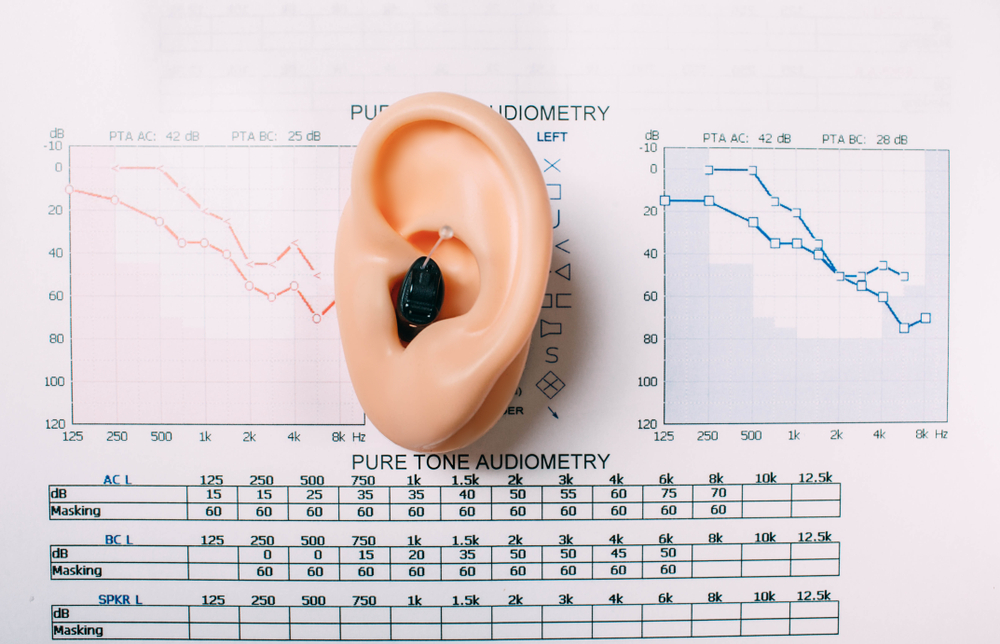
Scheduling a hearing evaluation at any of Beltone Skoric’s Michigan hearing aid centers is the best way to understand what’s going on with your hearing. These appointments include quick, non-invasive tests that measure how well you hear different sounds and speech frequencies. More importantly, they give you a better picture of whether you’re experiencing mild hearing loss or something else.
Regardless of whether you have hearing issues, knowing your baseline is extremely important. If you’ve started to notice signs of mild hearing loss, taking that first step to get your hearing evaluated can help you figure out the best devices or equipment to help you regain your hearing.