Explore how weather changes can impact your hearing. Discover tips for protecting your ears during extreme weather conditions at Beltone Skoric.
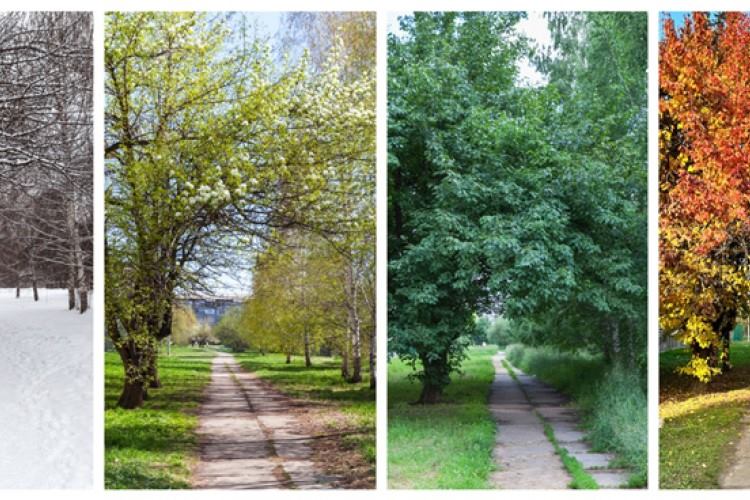
You’re likely aware of how the weather impacts your everyday life. It dictates your attire, activities, destinations, and even your mood. However, you may be unaware of its influence on your hearing. Your ears are fragile and can be vulnerable to damage caused by various weather conditions and seasonal changes. Some ear problems you may experience due to the weather include:
Weather-Related Hearing Conditions
How Barometric Pressure Triggers Tinnitus
Barometric pressure refers to the air pressure in the atmosphere. It varies with seasons and weather fluctuations. For example, low pressure before a storm can intensify some people’s tinnitus because it compresses the eardrum. When the pressure suddenly falls, it may trigger a tinnitus flare-up.
Tinnitus
Tinnitus refers to ringing in the ears, often described as buzzing, chirping, hissing, or whistling sounds that originate internally. It can be caused or affected by factors such as
Wind
Strong winds can lead to changes in air pressure in your ears, which can worsen tinnitus symptoms. Cold winds can also narrow blood vessels and disrupt blood flow to your ears, leading to discomfort from tinnitus.
Dry Air
Dry air can worsen tinnitus symptoms by causing dehydration, narrowing blood vessels, and reducing blood flow to the ears.
Blockage from Hardened Earwax
Earwax blockages (impaction) commonly cause hearing problems, especially in cold weather. The low temperatures can harden earwax, leading to impaired hearing. Symptoms of earwax impaction include:
- Muffled hearing
- Earache
- Dizziness
- Ear ringing
- Ear pressure from seasonal allergies
Spring and summer bring warm, sunny weather and pollen that can irritate your ears. Your body responds to allergens by producing histamines, which increase mucus production. Excessive accumulation of mucous can impede hearing by creating a feeling of fullness in the ears. It can even lead to temporary auditory loss.
Sudden hearing loss
Sudden, weather-related hearing loss is very rare. When it happens, however, it affects one ear and strikes without warning. Weather conditions that may be related to sudden deafness include:
- Extreme heat or cold
- Rapid barometric pressure shifts
- High humidity
Luckily, approximately half the people with this condition regain some or all of their hearing within one or two weeks.
Protecting Your Ears
Remember to protect your ears from the weather’s effects, even though they might not be the first thing you consider. Here are a few suggestions to help you deal with different weather conditions.
- Cover your ears with earmuffs, a scarf, a hat, or a tight hoodie during winter. Ears are mostly cartilage and are poorly insulated against the cold.
- Earplugs are very helpful for blocking dust and debris in high winds. If you don’t have a pair, a lined or knit cap tightly pulled over your ears will help shield them.
- When it’s heavily raining, keep your ears dry with a wide-brimmed rain hat, an umbrella, a raincoat with a hood, or waterproof earplugs.
- During the summer, dehydration can deplete the fluid levels in your inner ear. This fluid is important for hearing and equilibrium. Drinking an adequate amount of water each day will protect your ears and overall health.
Weather can impact your health in numerous ways, from tinnitus and abnormal ear pressure to ear canal blockage and even sudden hearing loss. Understanding the connection between weather and hearing is important so you can recognize, treat, or prevent auditory conditions.
For more information on how you can protect your hearing health this season, contact any of our Beltone Skoric Hearing Aid Center locations in Michigan.