
As Halloween approaches, so does the season of spine-tingling sounds and eerie ambiance. For those who experience tinnitus, the phantom sounds in the air can feel like an unwelcome addition to the holiday festivities. In this blog, we’ll delve into the connection between tinnitus and Halloween’s spooky sound effects and offer valuable strategies for managing tinnitus symptoms during this hauntingly atmospheric time of year.
The ‘Ghostly’ Connection: Tinnitus and Halloween
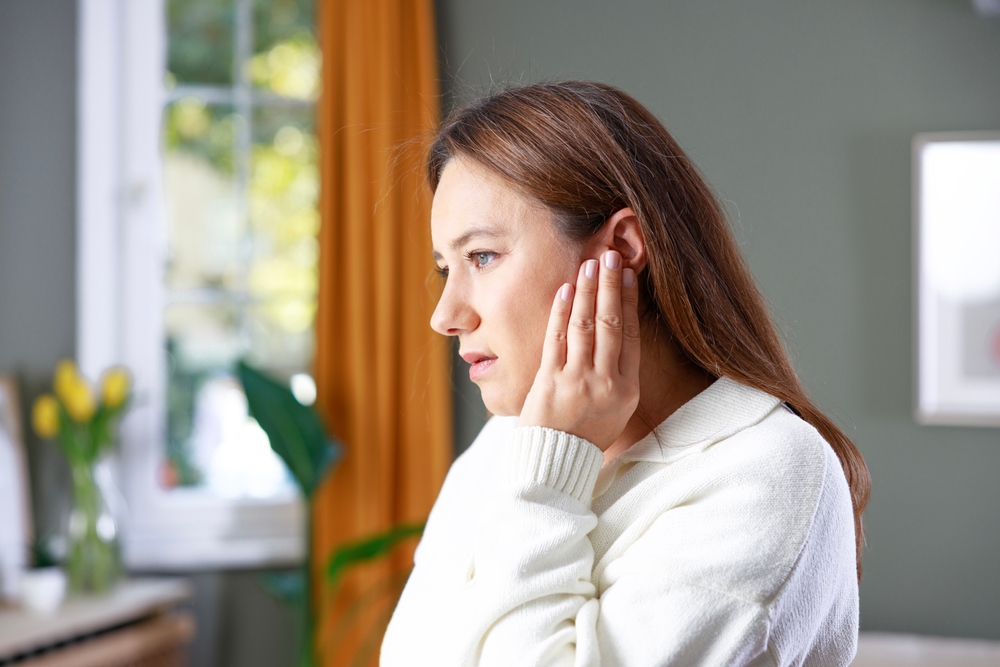
Tinnitus, often described as ringing, buzzing, or hissing sounds in the ears is a condition that loud or sudden noises can aggravate. Halloween, with its fireworks, haunted houses, and startling sound effects, can present challenges for those with tinnitus.
When you experience tinnitus, it’s as though your ears are playing host to their own phantom sounds. While Halloween’s spooky sound effects are intentional and temporary, tinnitus can create persistent, unwanted sounds that mimic ghostly whispers.
Strategies for Managing Tinnitus During Halloween
- Limit Exposure to Loud Noises: Avoid environments with exceptionally loud noises, such as fireworks displays or crowded Halloween parties. If you choose to attend such events, wear ear protection like earmuffs or earplugs to reduce sound intensity.
- Choose Quieter Halloween Activities: Consider opting for Halloween activities that are less noisy, such as pumpkin carving, a movie night with friends, or a quiet dinner party. These can provide an enjoyable alternative without exposing you to loud sounds.
- Mindful Costume Choices: If you’re wearing a costume with built-in sound effects or props that produce noise, be aware of their potential impact on your tinnitus. You can modify or choose quieter alternatives to reduce auditory stress.
- Manage Sound Levels: If you’re hosting a Halloween gathering, monitor the music volume and sound effects. Keep them at a comfortable level that allows for conversation without shouting.
- Plan Tinnitus-Friendly Decor: When decorating for Halloween, opt for a quieter, eerie ambiance with soft lighting, candles, and subtle decorations instead of excessively noisy props.
- Consult a Healthcare Professional: If your tinnitus worsens during Halloween or any other time, don’t hesitate to consult a hearing specialist. They can provide personalized guidance and treatment options tailored to your specific needs.
The Haunting Doesn’t Have to Last
While Halloween’s ‘ghostly’ sounds can pose challenges for those with tinnitus, proactive measures can help minimize their impact. Remember that tinnitus management is about finding a balance that allows you to enjoy life’s festivities while protecting your hearing health.
As you embark on the Halloween season, keep in mind that the phantom of tinnitus need not haunt you indefinitely. By understanding the connection between tinnitus and Halloween’s spooky sounds and implementing effective coping strategies, you can revel in the season’s delights while keeping unwanted ‘ghost’ sounds at bay.
If you are suffering from the effects of tinnitus, contact us at Beltone Skoric Hearing Aid Center to seek further treatment.