
Get helpful tips from experienced professionals on how to take care of yourself and maintain a healthy lifestyle. Learn more about our services today!
Many take the ability to hear the world around us for granted. However, without adequate hearing health and proper hearing loss prevention, you may experience hearing issues. Contrary to what some people may think, hearing loss and tinnitus can both create issues with a person’s mental well-being.
The Link to Mental Health
When a person experiences hearing loss or tinnitus, it can have a significant impact on their mental well-being. Feelings of frustration, anger, and many other emotions can lead to poor mental health. In fact, both hearing loss and tinnitus have been linked to an increased risk of developing mental illnesses like depression, dementia, anxiety, and even schizophrenia.
Many people who experience hearing loss have reported feeling socially inept when it comes to group-like settings. They have issues keeping track of the conversation. Some admit to being overly dominating when conversing with others to help make their lives easier by simply talking instead of having to listen. In many cases, individuals with hearing loss will withdraw from social situations due to their inability to adequately converse. This can lead to feelings of depression or anxiety due to social withdrawal.
Getting Treatment is a Must
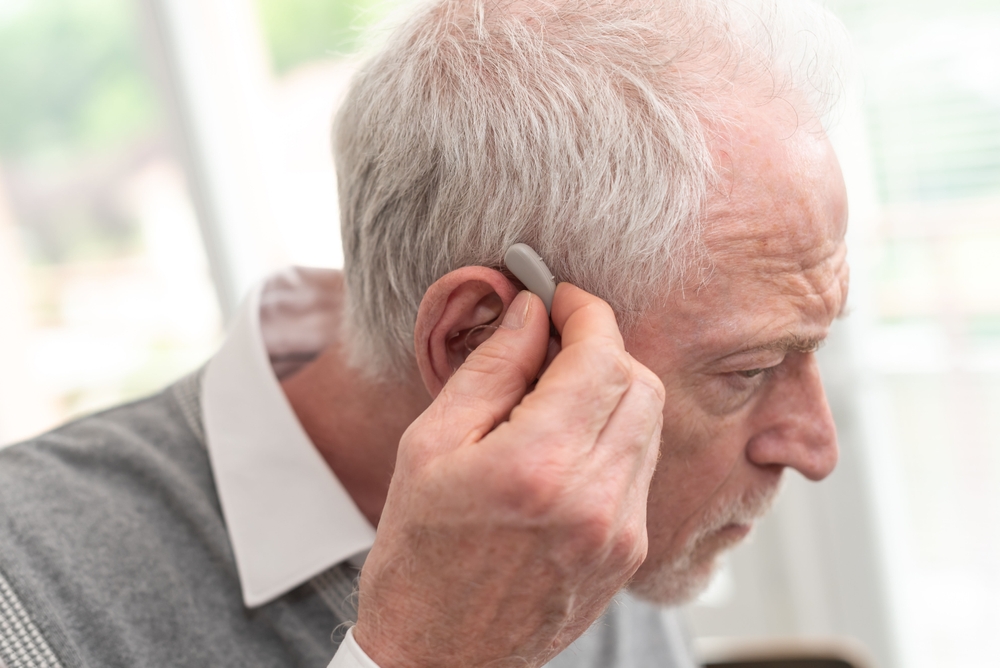
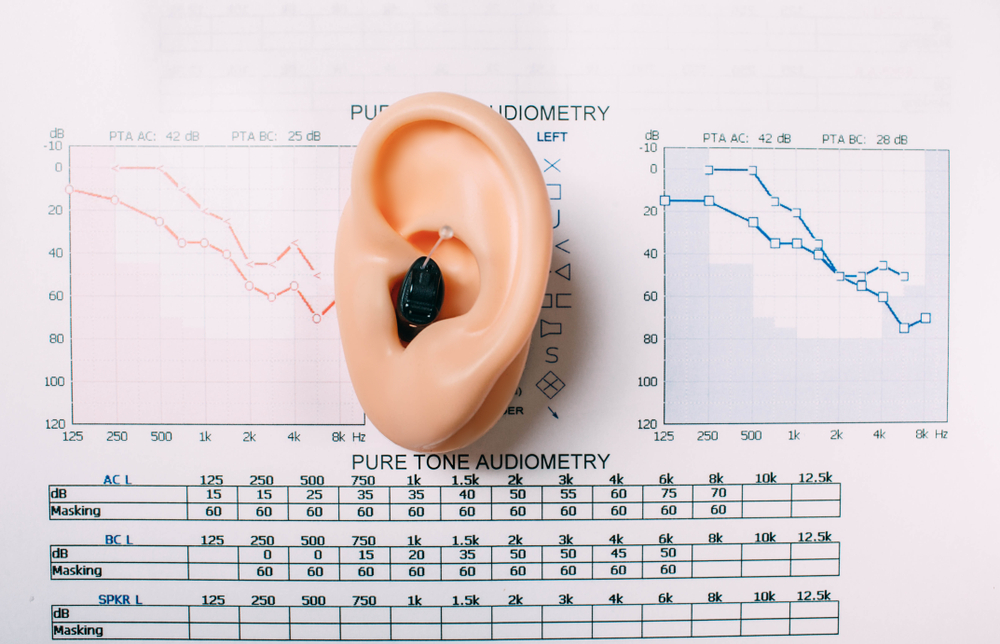
Time and time again, studies have shown that people with untreated hearing loss are at a higher risk for developing mental health illnesses than those with treated hearing loss. It’s a good idea to have your hearing tested at least every three years if you’re not experiencing any hearing issues. If you already have hearing issues, you should get your hearing tested at least once every year. This will help your audiologist detect hearing problems early on and recommend a thorough course of treatment. Being able to help remedy your hearing loss with hearing aids will help you to stay better engaged in conversations and with the world around you. This will help prevent social withdrawal and reduce your risk of developing mental illnesses in the future.
Know the Symptoms
One of the best things you can do regarding mental illnesses is to understand the initial signs of it and know where to get helpful resources. The sooner mental illnesses can be addressed, the less detrimental they are to your overall well-being. Some early warning signs of mental health issues include extreme mood changes, excessive fear or worry, low or sadness, and difficulty concentrating or learning. Whenever you’ve noticed that you’re experiencing these early warning signs, it’s important to seek out help.
Call Us Today
If you’re struggling with hearing loss or tinnitus, then it’s time to contact us at Beltone Skoric Hearing Aid Center. Let our knowledgeable and experienced hearing care specialists assist you with all your hearing needs.