
During Halloween, it is crucial to keep your hearing aids in consideration. Here are tips and tricks to wearing your hearing aids with your costume.
Hearing aids are always on the job. This extends to the various end-of-the-year holidays, including Halloween. As you get ready to deal with the hustle and bustle of the upcoming spooky season, don’t forget to wear and use your hearing aids to get the most out of the fun and excitement that goes along with Halloween. Here’s what you need to know about why it’s important to wear your hearing aids this Halloween.
Costumes Can Be Altered to Accommodate Hearing Aids
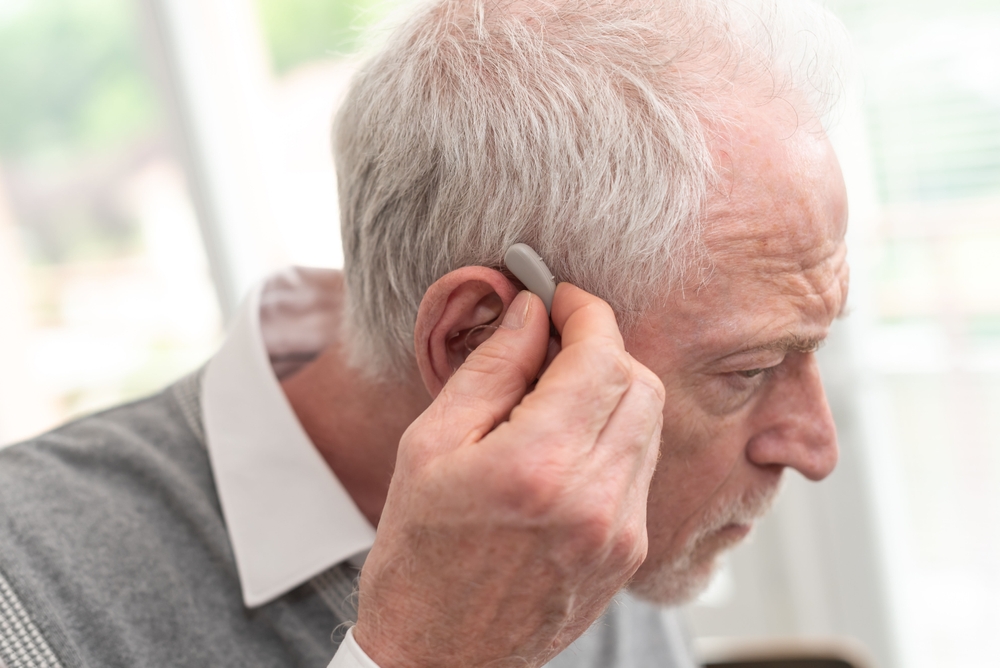
You may be tempted to leave your hearing aids at home if you have a costume that makes it difficult to have them in your ears. Some costumes for Halloween have headpieces of face masks that could affect how your kids’ hearing aids work – or yours if you’re going to a grown-up Halloween party. Make sure you choose a costume that doesn’t block your hearing aids so you can comfortably wear them. You may also be able to alter some costumes in a way that allows hearing aids to be properly worn. Be just as careful if you apply face paint or similar accessories that get close to where your hearing aids are worn.
Hearing Aids Make Trick-or-Treating Safer
Hearing aids are designed to pick up sounds from multiple directions. This is especially beneficial if your kids go trick-or-treating in busy areas with traffic. On a related note, add reflective tape to your kids’ costumes to make it easier for them to be seen. This can also be done if you have kids with some degree of hearing impairment not yet wearing or using hearing aids.
Halloween Parties Are More Fun with Hearing Aids
If you ditch your hearing aids when going to a Halloween party, you won’t be hearing everything as well as you could. This is especially true when it comes to difficulties hearing what’s said during various conversations. You’ll also be able to clearly tell who’s talking to you or trying to get your attention. You won’t have to constantly ask people to repeat themselves. Plus, you’ll be able to hear much better in a crowded situation like a Halloween party where people are coming and going with your hearing aids.
Prepare Your Hearing Aids
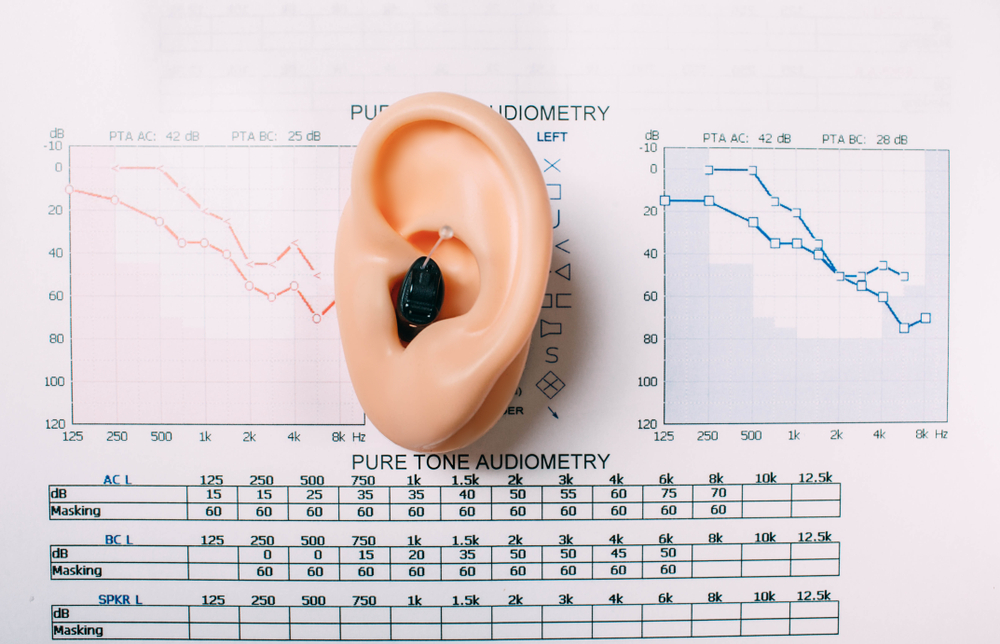
On a related note, preparing your hearing aids for Halloween is just as important. Avoid hearing aid malfunctions by checking the batteries – or changing them if necessary. Also, check to see that your hearing aids are correctly adjusted. If you’re noticing some issues with your ability to hear well with your hearing aids, talk to a hearing care specialist.
Call Us Today
Beltone Skoric Hearing Aid Center is here when your hearing aids need professional care. Our hearing care specialists can make adjustments and take any other steps that may be necessary to keep your hearing aids working as intended. Call today to set up a hearing aid evaluation or checkup.